The Must-See Attractions of a Trip to Tunis
Capital of Tunisie, Tunis is a city of two faces: you discover it as modern with its beautiful colonial infrastructure but also historic and traditional
Capital of Tunisie, Tunis is a city of two faces: you discover it as modern with its beautiful colonial infrastructure but also historic and traditional with its numerous vestiges, monuments, its sites classified as UNESCO World Heritage sites, its mosques and its famous Medina quarter.
A favored destination for vacationers, Tunis is an essential stop on any trip to Tunisie. To learn more, we reveal our must-see attractions to discover in Tunis, follow the guide!
The archaeological site of Carthage
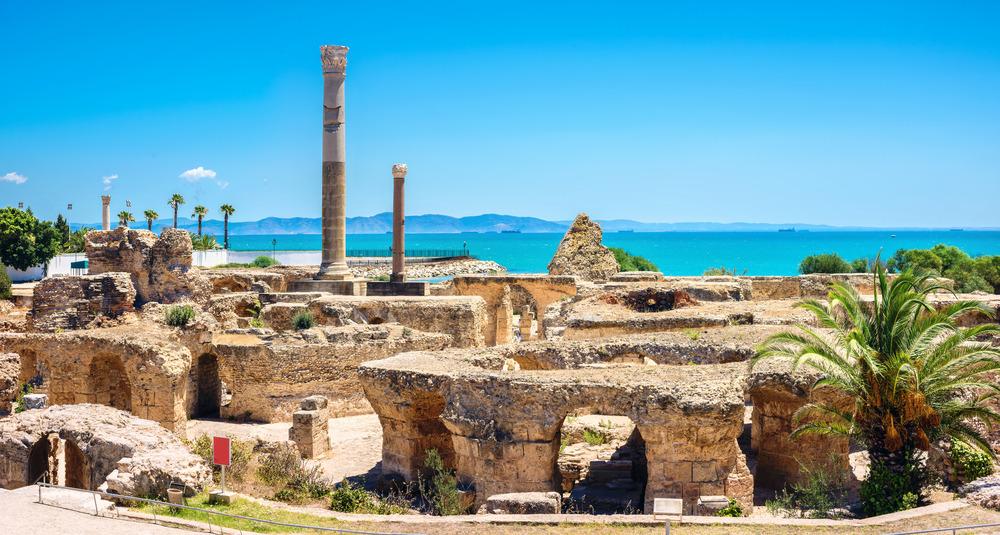
Once the seat of a brilliant civilization, Carthage is today an incredible archaeological site. Overlooking the Gulf of Tunis and the surrounding plain, you discover ruins, witnesses to more than 2,000 years of history.
A stop at the Carthage Museum is necessary before visiting the ancient Punic city in order to better understand the importance of these vestiges. In any case, the view from the Byrsa hill and the seaside setting cannot fail to charm you.
The Medina
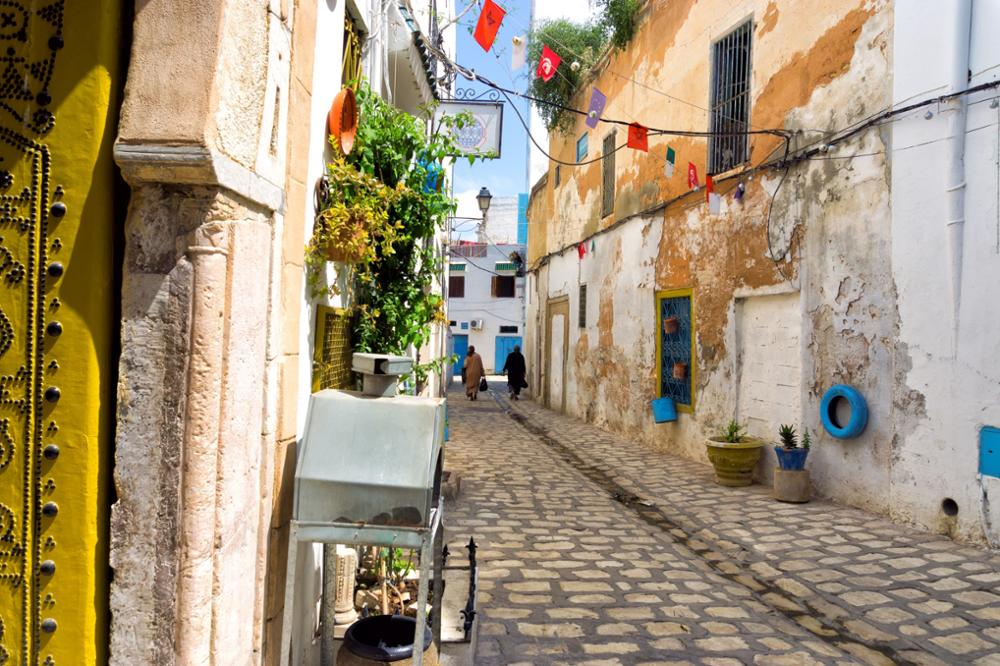
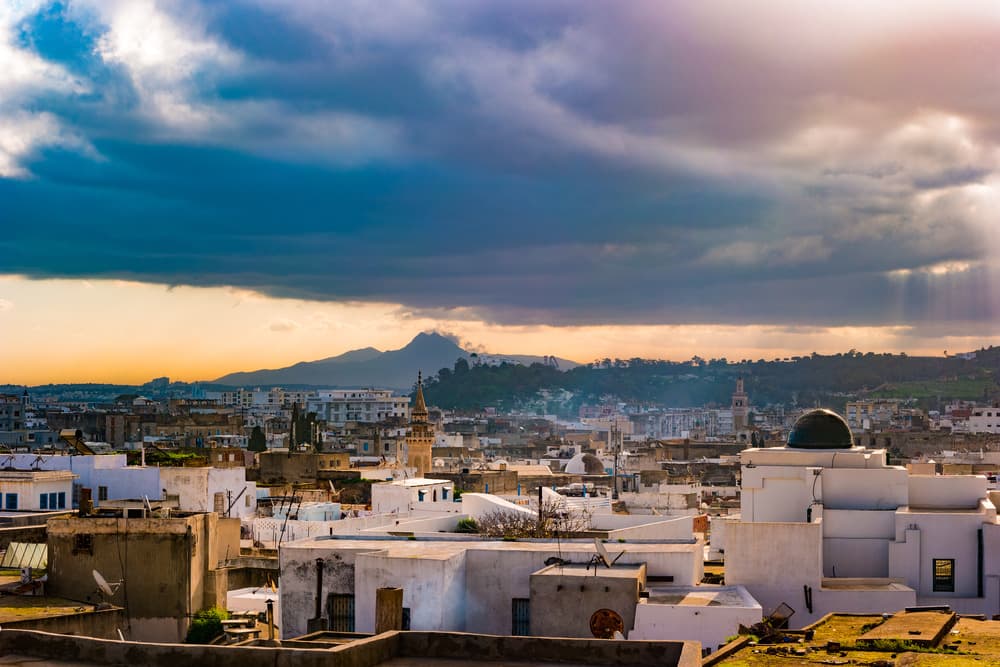
Historic heart of Tunis inscribed on UNESCO's World Heritage list, the Medina of Tunis is today considered one of the richest in the Arab-Muslim world. As you pass through the main entrance gate, the Bab el Bahr (Gate of the Sea), you discover a maze of narrow streets lined with old traditional buildings. The best approach is to lose yourself in this network of streets and take time to feel the very particular atmosphere, observe its sometimes dilapidated houses, stop in front of the mosques and palaces, and above all not miss the souks!
The souks of Tunis are part of the very essence of the Tunisian capital and are a must-see of the Medina and trips to Tunis in general.
Sidi Bou Saïd
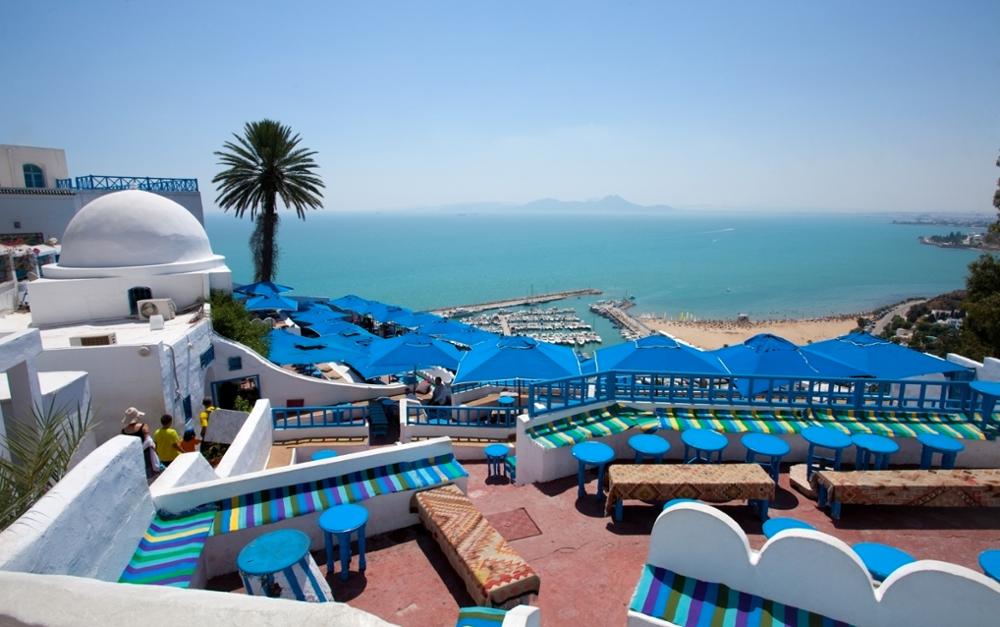
The Sidi Bou Saïd neighborhood is seen as a typical village recognized for its whitewashed houses and their blue-painted openings. It is also for its bohemian atmosphere and its view of the coastline that the neighborhood captivates travelers. Take time to appreciate the Andalusian architecture and enjoy a delicious coffee at the "Café des délices".
Bardo Museum
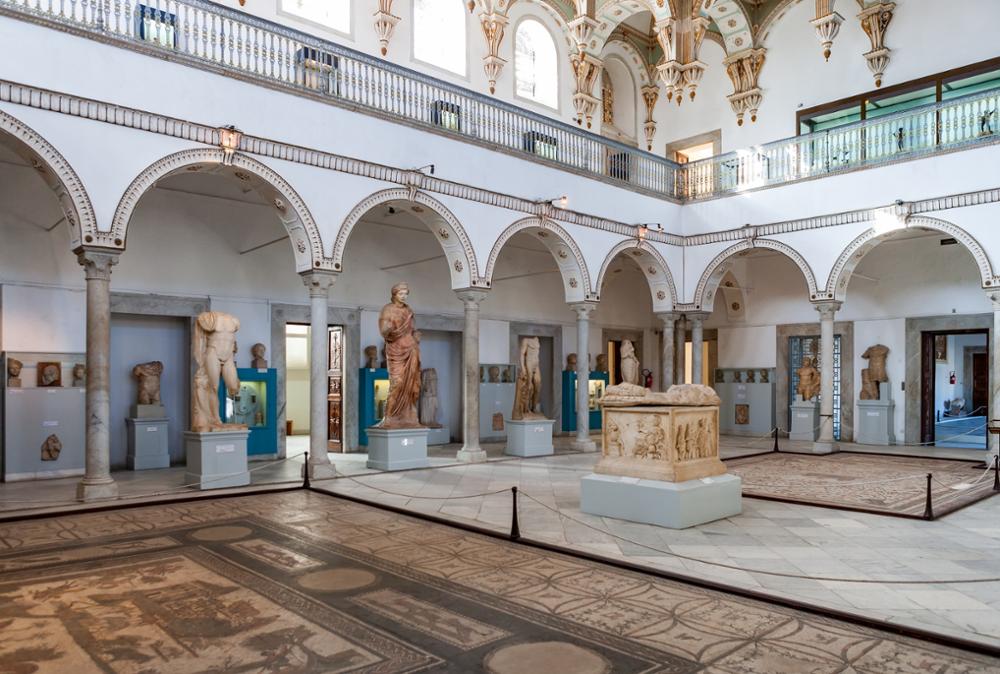
The Bardo National Museum houses one of the most beautiful and largest collections of Roman mosaics in the world. Housed in a magnificent palace, the museum displays in its halls magnificent mosaics, frescoes and sculptures discovered during excavations throughout Tunisian territory. A visit to the Bardo Museum is a must-see on a trip to Tunis and immerses you in the country's past.
The new city of Tunis
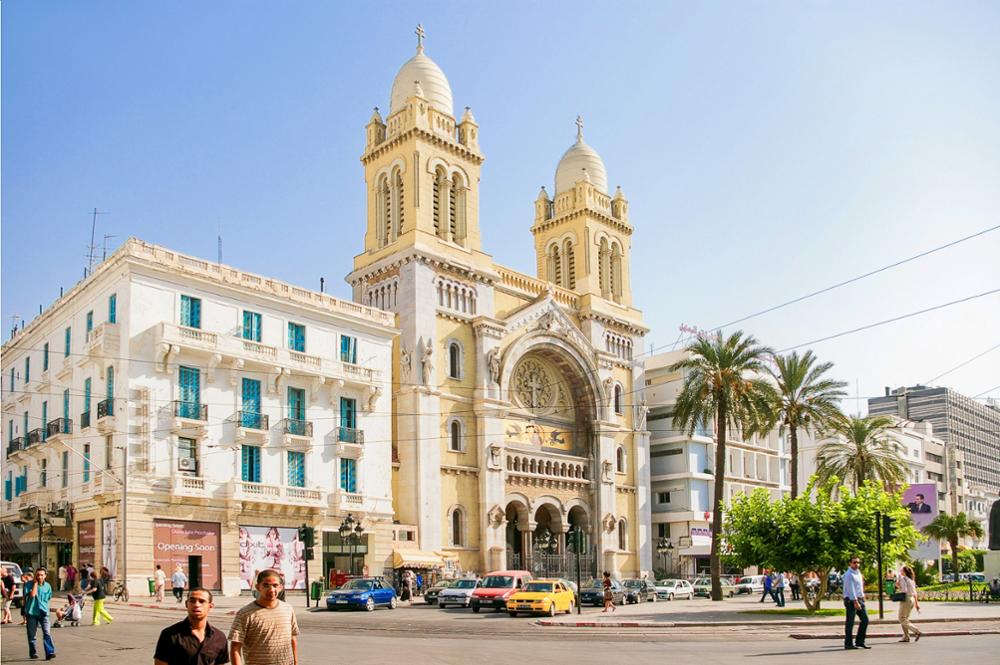
While we love the old charm of the Medina, the historical and cultural interest of Carthage and Sidi Bou Saïd, the visit to the new city is a perfect example of the harmonious blend between colonial, post-colonial and modern architecture. The main avenue Habib Bourguiba lined with palm and eucalyptus trees traces a perfect straight path. The new city hosts some important monuments such as the clock tower, the Saint Vincent-de-Paul Cathedral, or the inverted pyramid of the Lake Hotel. A visit to the new city of Tunis immerses you in a completely different setting and is truly worth the detour.
The Zitouna Mosque
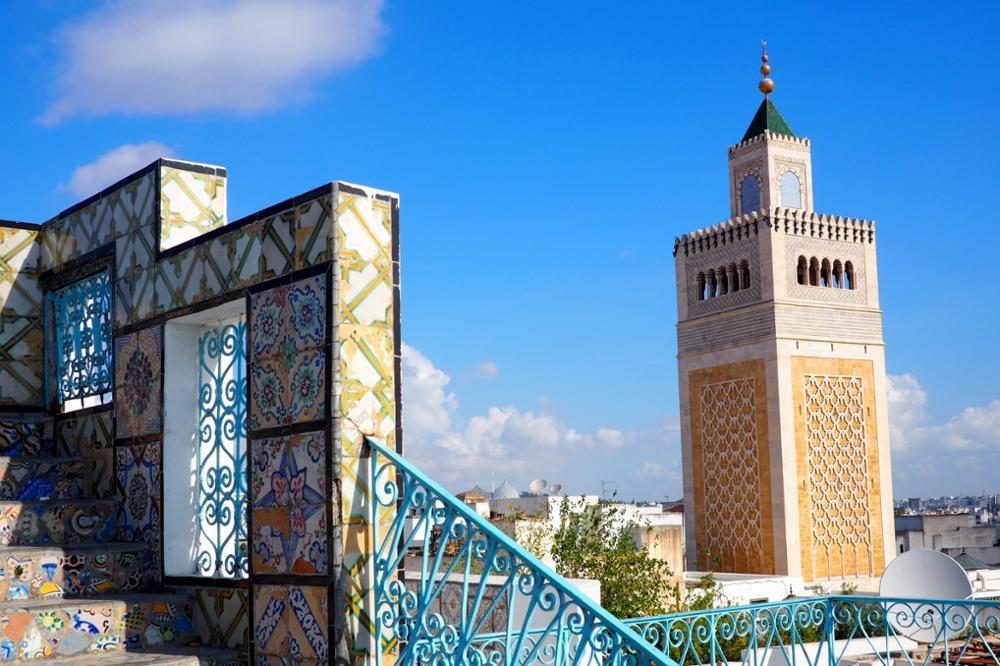
The second largest mosque in Tunisie after the Great Mosque of Kairouan, the Zitouna Mosque is located in the heart of the Medina. A place of worship, many religious ceremonies are celebrated there.
The Zitouna Mosque, also known as the Mosque of the Olive, spans an area of nearly 5,000 m², and contains more than 180 antique columns mainly from the Carthage archaeological site. The prayer hall is off-limits to visitors but it is possible to walk through its interior courtyard and enjoy the panoramic view of the Medina from its roof.
The Sidi Mahrez Mosque
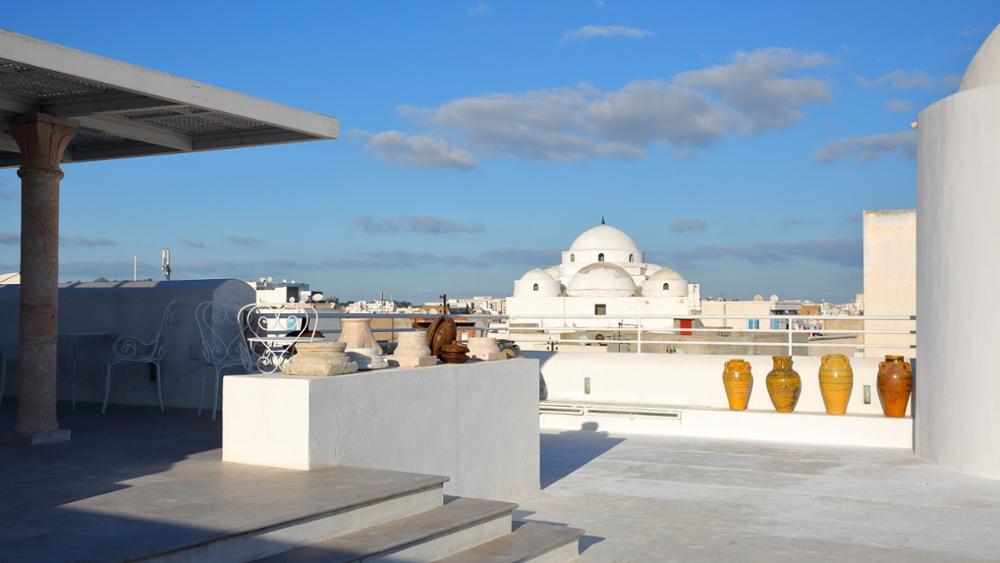
The Sidi Mahrez Mosque is considered by many to be the most beautiful mosque in Tunis. Located north of the Medina, you cannot fail to notice its Ottoman-style architecture with its large white domes and central cupola. Inside, its walls are covered with faience and ceramics.
Frequently asked questions
To discover the main sites of Tunis such as the Medina, Carthage, the Bardo Museum and Sidi Bou Saïd, it is recommended to plan at least 2 to 3 days. Some travelers dedicate an entire day to the Medina and souks alone.
Non-Muslims can access the interior courtyard of the Zitouna Mosque and enjoy the panoramic view of the Medina from its roof. However, the prayer hall is reserved for worshippers and remains off-limits to visitors.
The best times to visit Tunis are spring (March to May) and fall (September to November), when temperatures are mild and pleasant. Summer can be very hot, with temperatures exceeding 35°C.
Sidi Bou Saïd is accessible from Tunis via the TGM (Tunis-Goulette-Marsa), a light train that serves the north coast of Tunis. The journey takes approximately 30 to 40 minutes from Tunis Marine station, near the Medina.
Yes, the Bardo National Museum is considered one of the most important museums in North Africa. It houses one of the largest collections of Roman mosaics in the world and is housed in a former Husainid palace. A visit of approximately 2 to 3 hours is recommended.
The souks of the Medina of Tunis are organized by trade: souk of perfumes, of traditional hats, of jewelry, of carpets, etc. It is the ideal place to buy authentic Tunisian crafts, taste local specialties and immerse yourself in the lively atmosphere of the capital.