5 Must-See Archaeological Sites in Tunisia
Many are unaware that Tunisia is home to numerous ancient remains. These archaeological sites offer a fabulous journey through time and provide insight into Roman daily life.
Many are unaware that Tunisia is home to numerous remains dating back several centuries. These archaeological sites, for the most part, offer a fabulous journey through time and provide insight into Roman daily life. Truly captivating for history and architecture enthusiasts ! Discover our top 5 archaeological sites to visit during your trip to Tunisia.
1. The Archaeological Site of Carthage
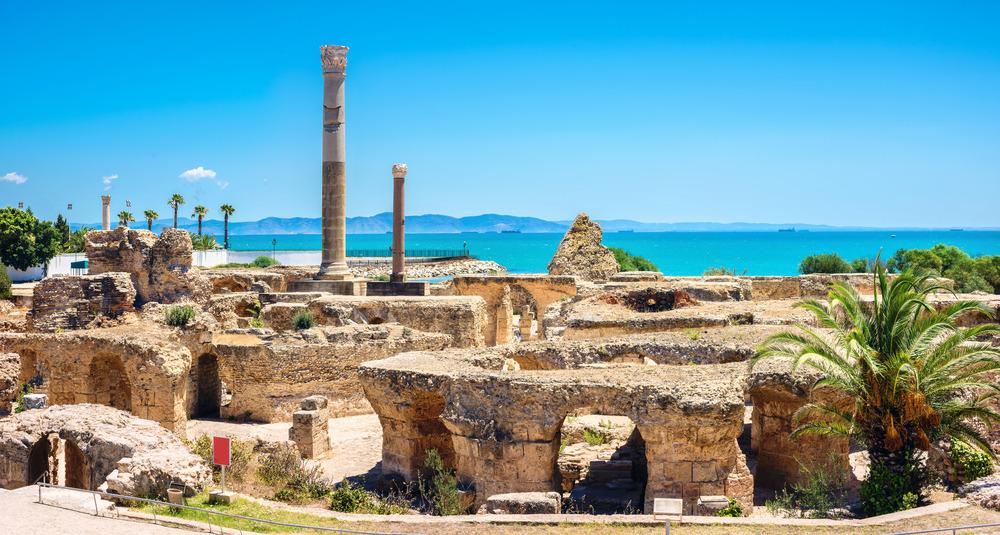
Founded in the 9th century BC by the Phoenicians, the city of Carthage was once the capital of Punic civilization in Africa and the capital of the Roman province of Africa. Located northeast of Tunis, this city played a major role in antiquity and was a major trading hub in the Mediterranean. Today, it still contains impressive remains, some dating back to the early 8th century BC ! Must-see highlights include: the Antonine Baths, the remains of the two Punic ports, the Byrsa acropolis, the Punic tophet, necropolises, the amphitheater, and the villa district….
2. The Archaeological Site of Dougga
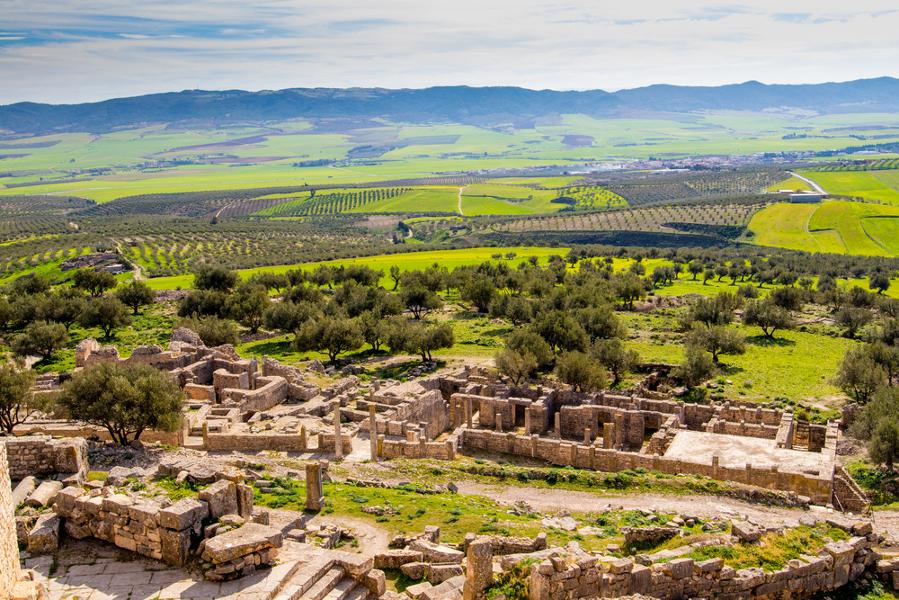
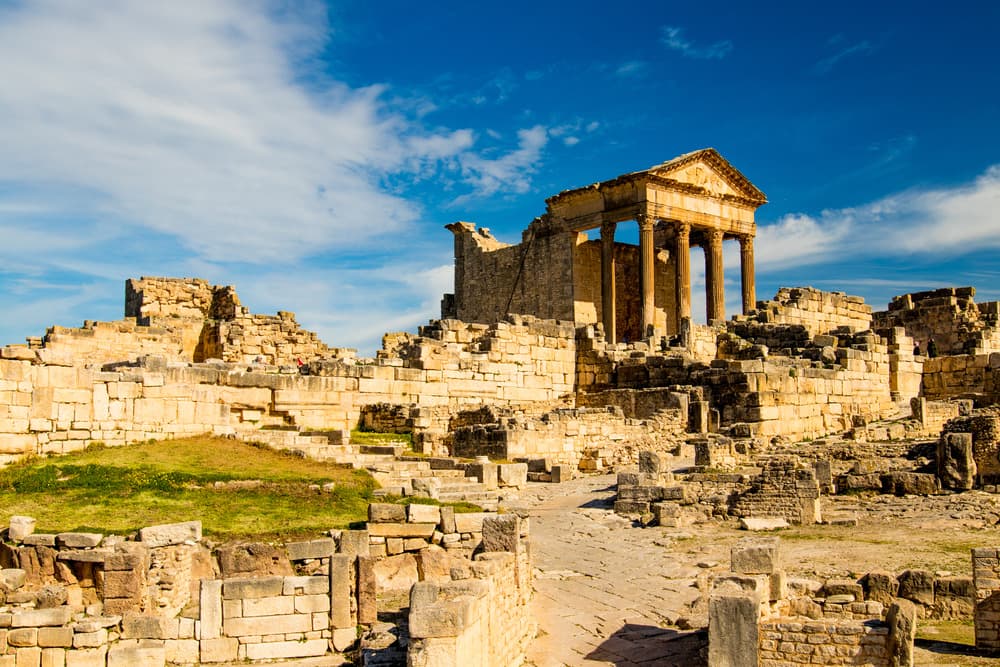
Also called Thugga, Dougga is an archaeological site located in the Téboursouk delegation in the northwest of Tunisia. Due to its size (spanning no less than 70 hectares !) and the excellent state of preservation of its buildings, Dougga is considered one of the finest ancient sites in the world. There's no doubt about it—it's the best-preserved Roman city in North Africa ! Among the things you absolutely must see when visiting Dougga : the Capitol, the theater, the Libyo-Punic mausoleum, and the sublime patrician dwellings.
3. Bulla Regia
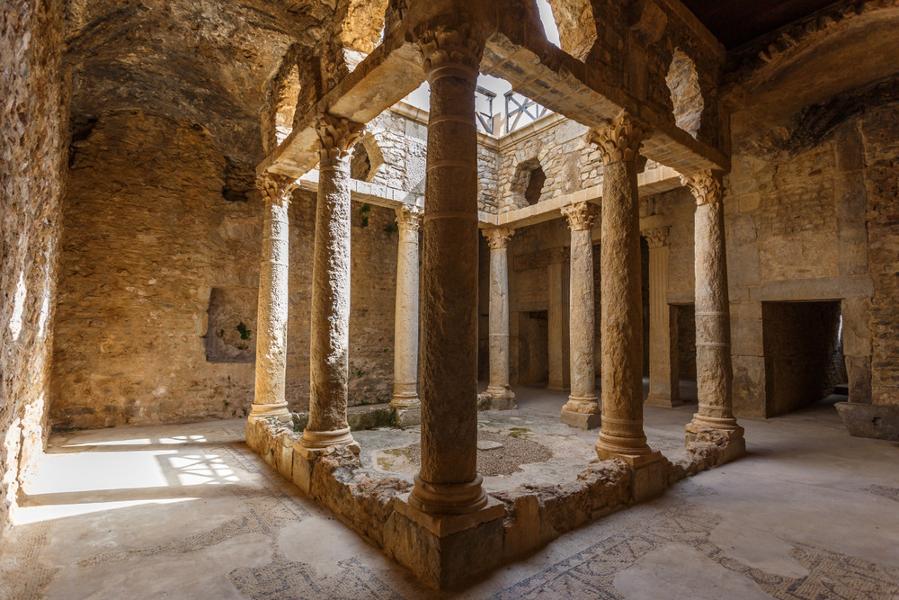
Located in the northeast of the country, the archaeological site of Bulla Regia is among the sites you must visit during a trip to Tunisia. And for good reason—this ancient Roman city is scattered with remains that allow us to trace the daily lives of inhabitants from the ancient period. Furthermore, it features temples, a forum, public baths, theaters… But what truly sets this place apart are the patrician dwellings adorned with sumptuous mosaic pavements and unique architecture. These residences consist of several levels, including an underground basement that provided relief from the scorching summer heat.
4. El Jem
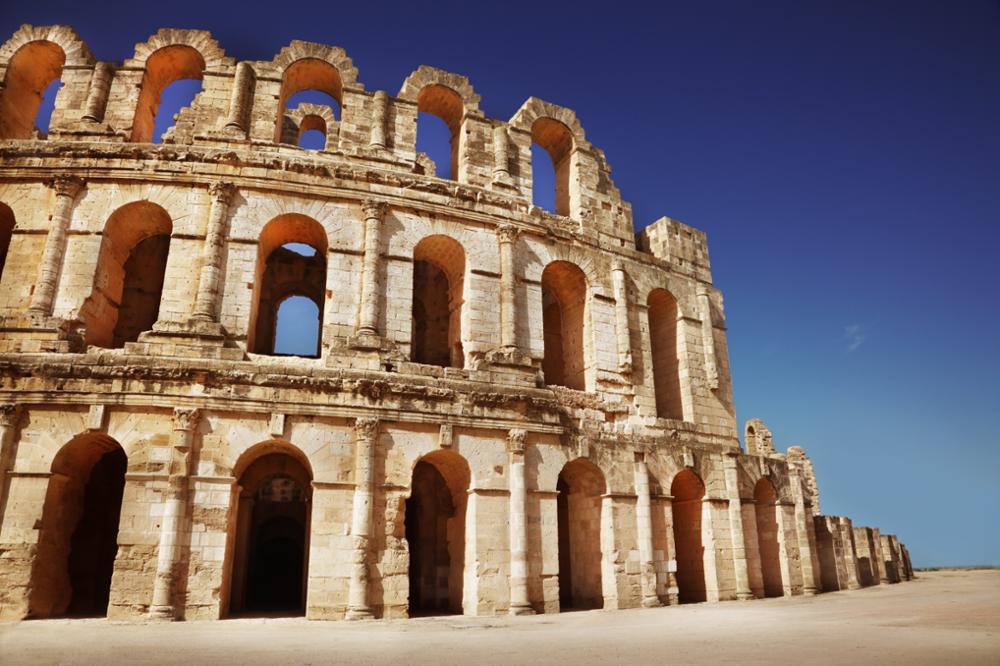
El Jem is an ancient Roman colony renowned for its archaeological site known as the El Jem Amphitheater or Colosseum of Thysdrus. Dating from the 3rd century, it could accommodate nearly 35,000 spectators and rises to over 41 meters in height. It is indeed one of the largest amphitheaters of the Roman world and one of the best-preserved buildings in North Africa. You can admire all the architectural achievements of the era such as arches, flying buttresses, underground chambers…
5. Chemtou
Located in the northwest of Tunisia, the ancient site of Chemtou, or Chimtou, contains over 80 hectares of remains, some dating back more than 1,500 years ! It features mainly the ruins of Simitthu, the city attached to the Roman province of Africa Proconsularis during the Roman period. You can discover the famous stone quarries, including those of yellow and pink marble as well as that of giallo numidicum, which can still be found today on certain prestigious buildings such as palaces and temples.
Frequently asked questions
The 5 archaeological sites to discover in Tunisia are: Carthage (ancient Punic and Roman metropolis), Dougga (Roman city listed as a UNESCO World Heritage Site), Bulla Regia (famous for its underground mosaic houses), El Jem (with its Roman amphitheater seating 35,000), and Chemtou (renowned for its yellow Numidian marble quarries).
Yes, Dougga (or Thugga) has been inscribed on the UNESCO World Heritage List since 1997. Considered the best-preserved Roman city in North Africa, it spans over 70 hectares and houses a Capitol, an ancient theater, and remarkably well-preserved patrician dwellings.
The distinctive feature of Bulla Regia lies in its patrician dwellings with unique architecture: they comprise several levels, including a habitable underground basement, allowing residents to escape the intense summer heat. These underground rooms are adorned with sumptuous, perfectly preserved mosaic pavements.
The El Jem amphitheater, also called the Colosseum of Thysdrus, could accommodate nearly 35,000 spectators. Dating from the 3rd century, it rises to over 41 meters in height and is one of the largest amphitheaters of the Roman world, as well as one of the best-preserved ancient buildings in North Africa.
The best time to visit Tunisian archaeological sites is in spring (March to May) or fall (September to November), when temperatures are mild. Summer can be very hot, especially at open-air sites like Dougga or El Jem. Be sure to bring a hat, plenty of water, and sturdy walking shoes.