Practical information Tunisia
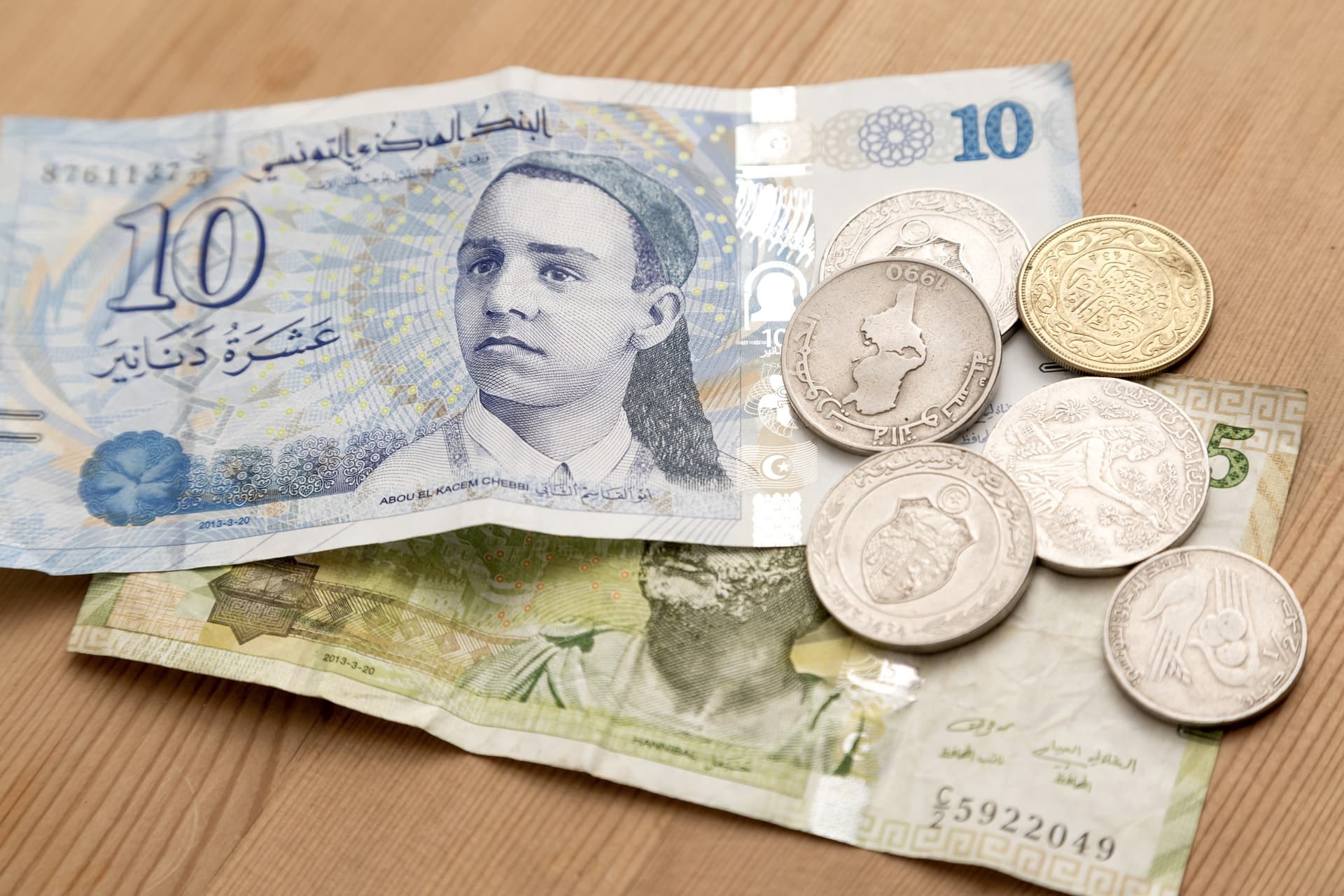
Preparing a trip to Tunisia requires a few key reference points that our team based in Tunis, around Arbi, regularly updates. French, Belgian, Swiss and Canadian nationals enter without a visa for a tourist stay of up to 90 days, with just a valid passport required six months after return. Health-wise, no vaccines are mandatory, but hepatitis A and DTP booster are recommended, and tap water should be replaced with bottled water outside hotels. The local currency, the Tunisian dinar, cannot be purchased abroad: plan for currency exchange upon arrival at Tunis-Carthage or Djerba airport. Average budget for a comfortable tour excluding international flights: €80 to €140 per day per person depending on your choice of accommodation. Climate varies significantly between the Mediterranean coast, mild year-round, and the Saharan south, where summers exceed 45°C and winter nights drop to 5°C. For getting around, louage (shared taxi) efficiently connects cities in the north, but a vehicle with driver remains worthwhile once you combine ancient sites and desert. Security is generally good in tourist areas, and we avoid border regions with Libya and Algeria for our itineraries. As for etiquette, wear modest clothing in mosques and places of worship, greet with your right hand, and be patient during tea time.
Plan your trip by theme
Explore our practical guides organized by category to quickly find the information you need.
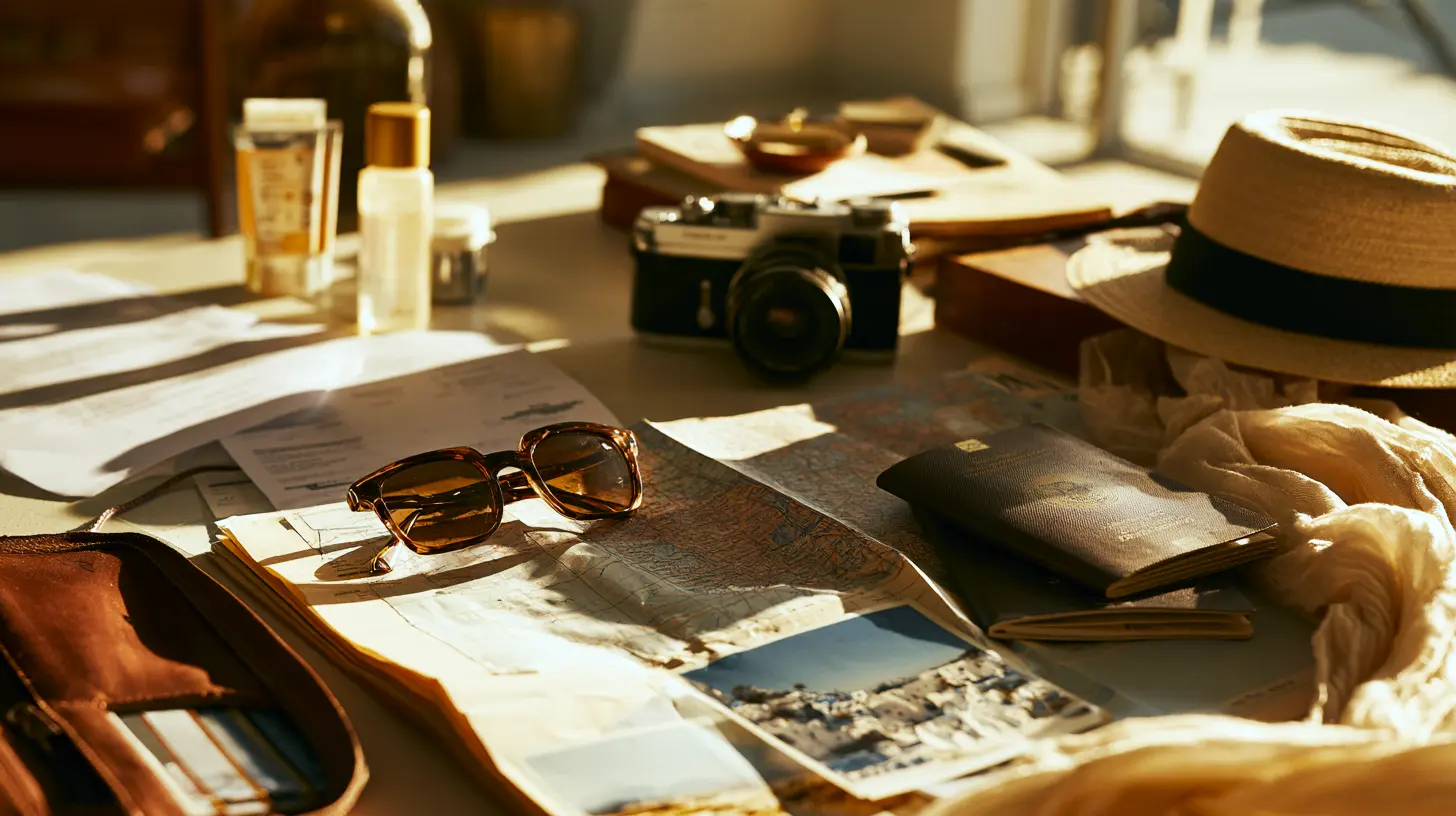
Before You Go
Valid passport for 6 months, 90-day visa exemption for Europeans, travel insurance and procedures to arrange before departure to Tunisia.
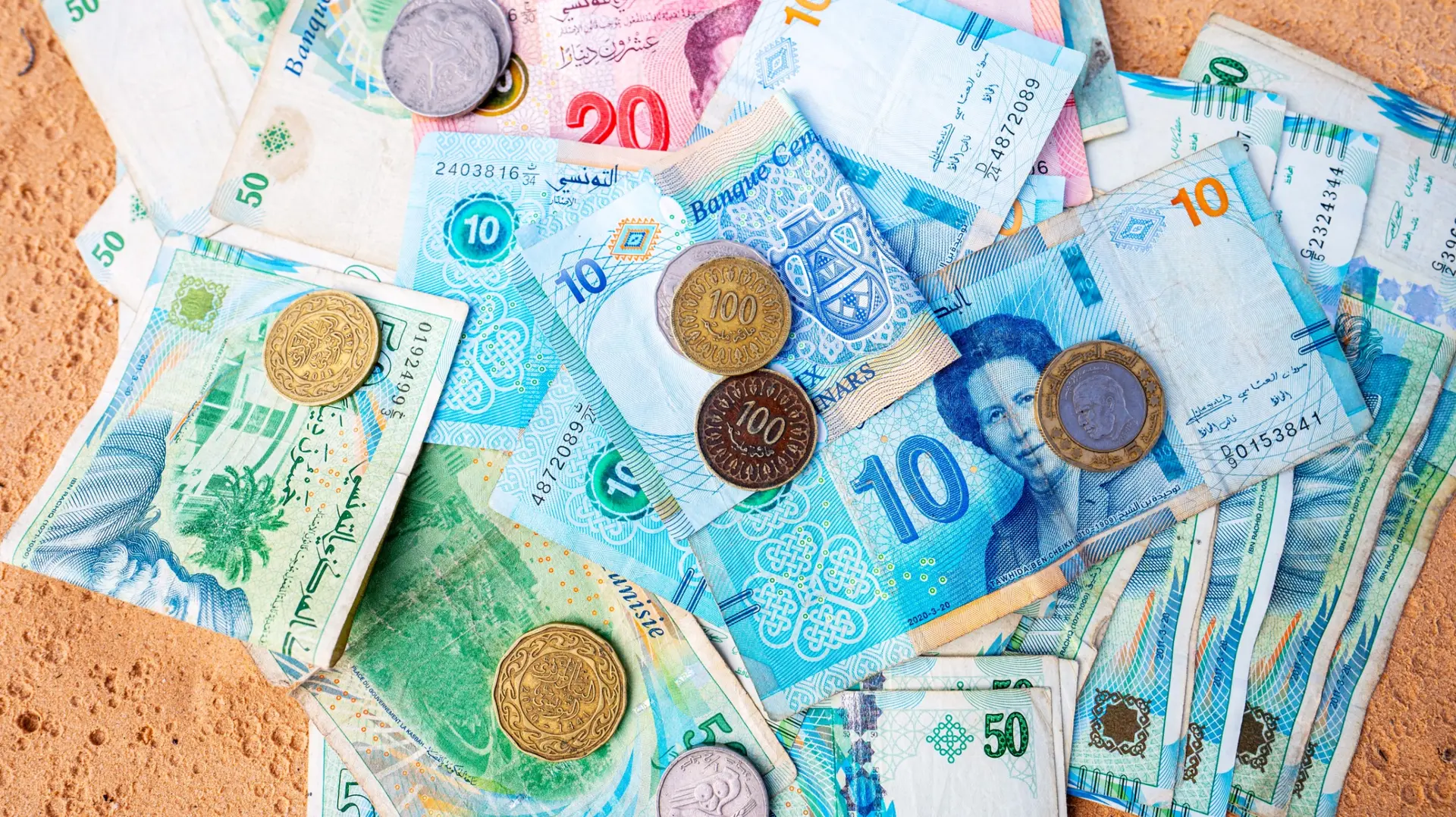
Budget
Tunisian dinar not exportable, exchange upon arrival, budget range 60 to 140 euros per day depending on comfort level, cards accepted in cities.
1 article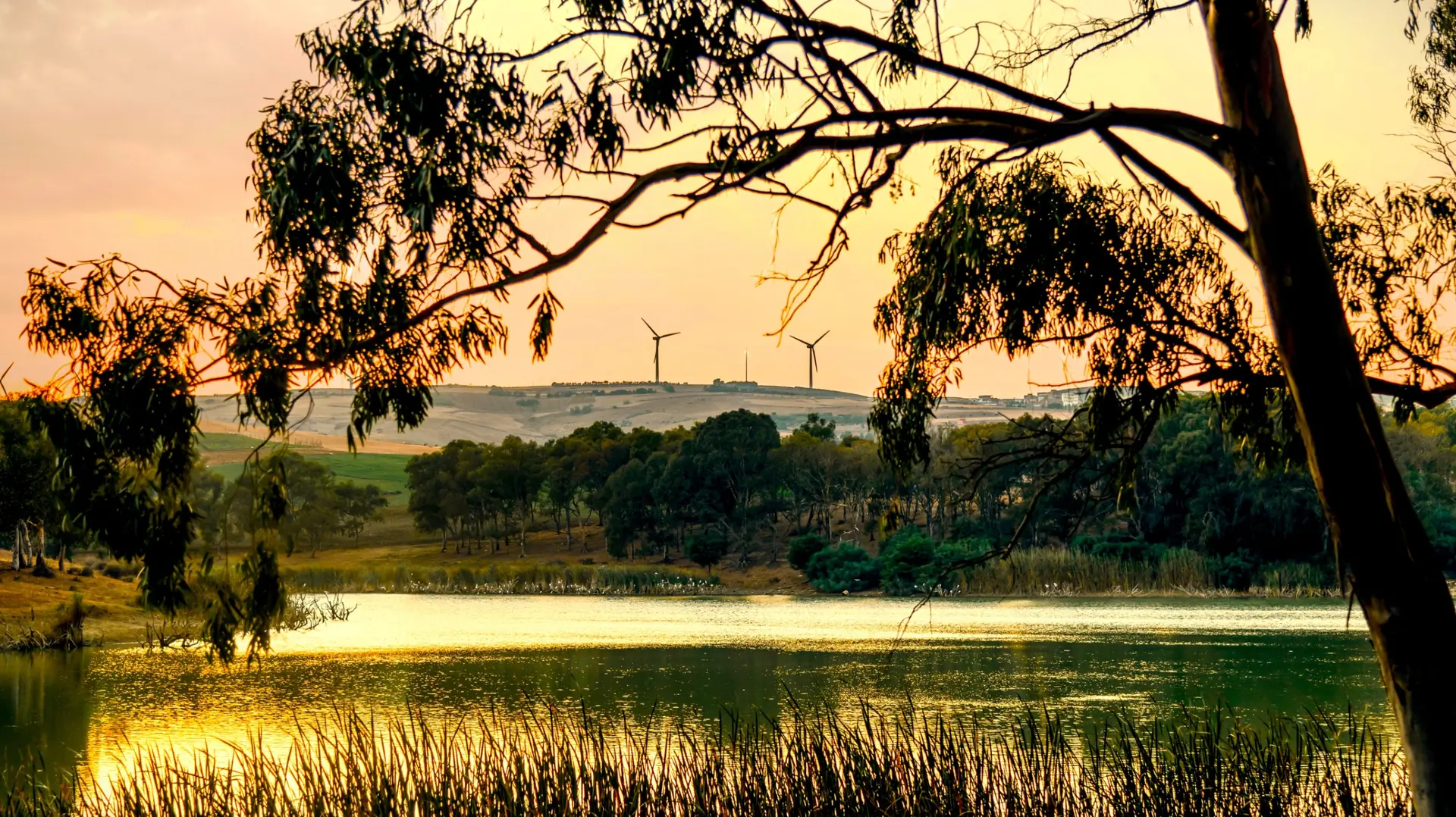
Climate Season
Mild coast from October to May, pleasant Saharan south from November to March, scorching summers exceeding 40°C in the desert.
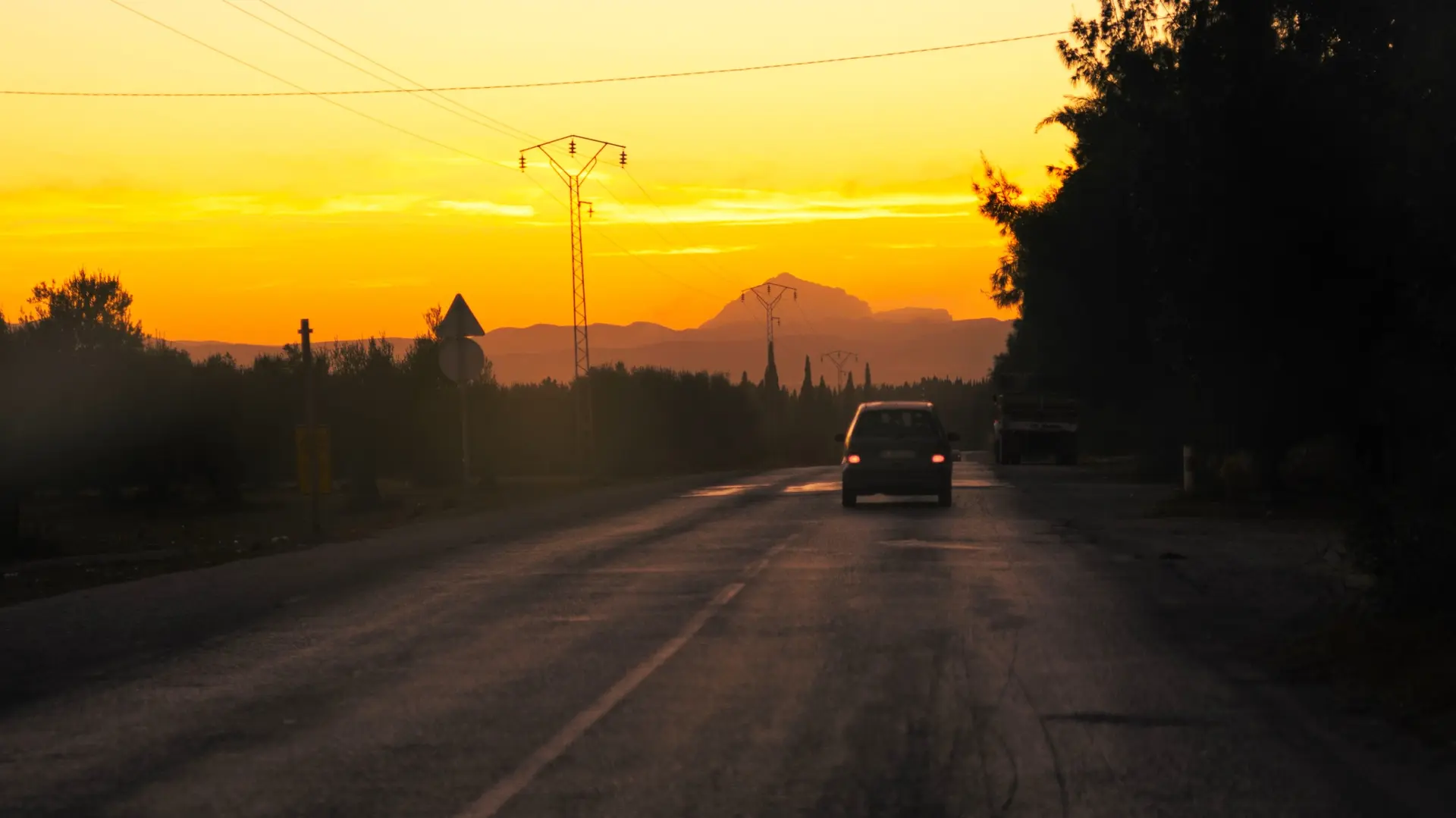
Transports
Inter-city shared taxis, domestic flights to Djerba and Tozeur, car rental with driver or 4x4 recommended for southern Tunisie.
1 article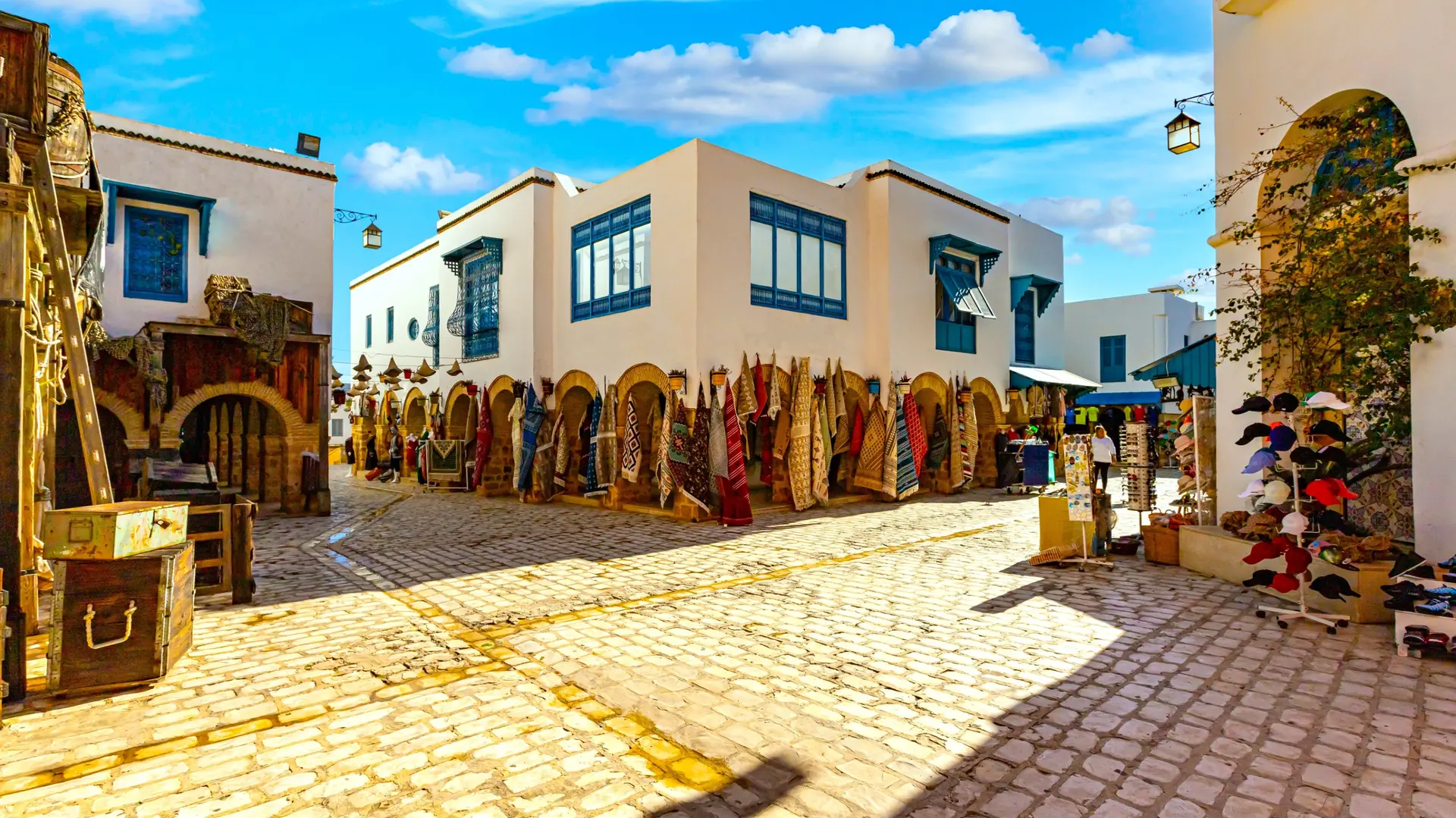
Culture
Covering attire in mosques, right-hand greeting, Ramadan to be observed, tea ritual and Tunisian hospitality codes.
1 article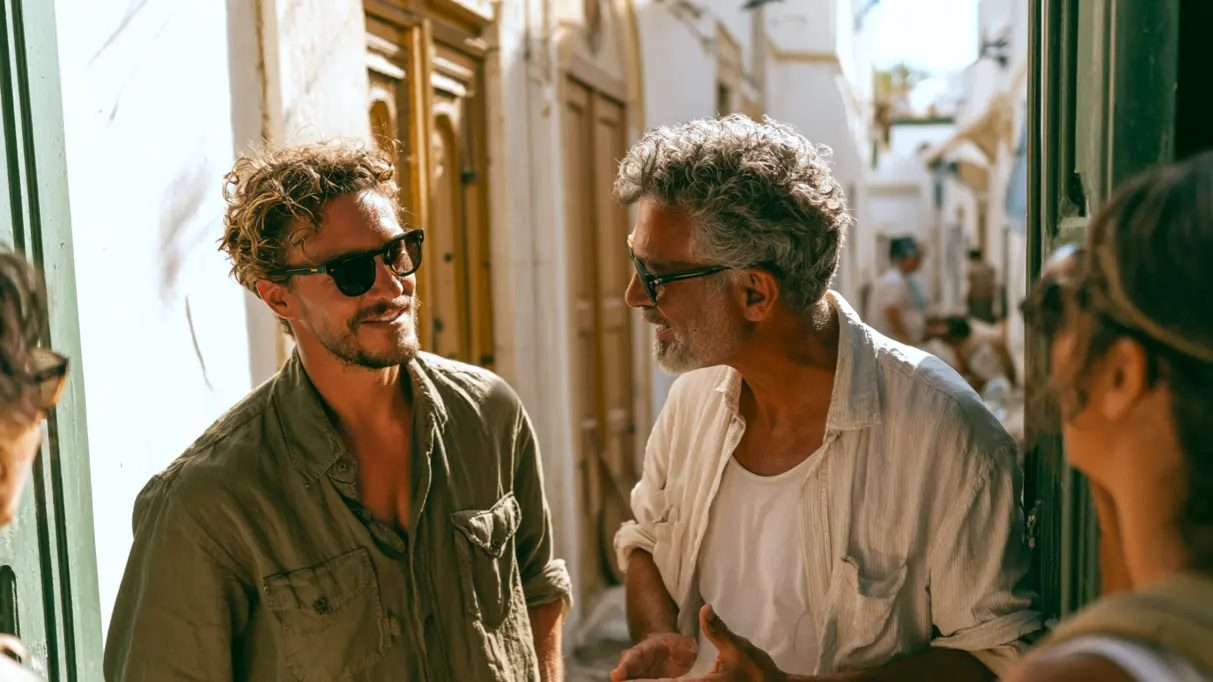
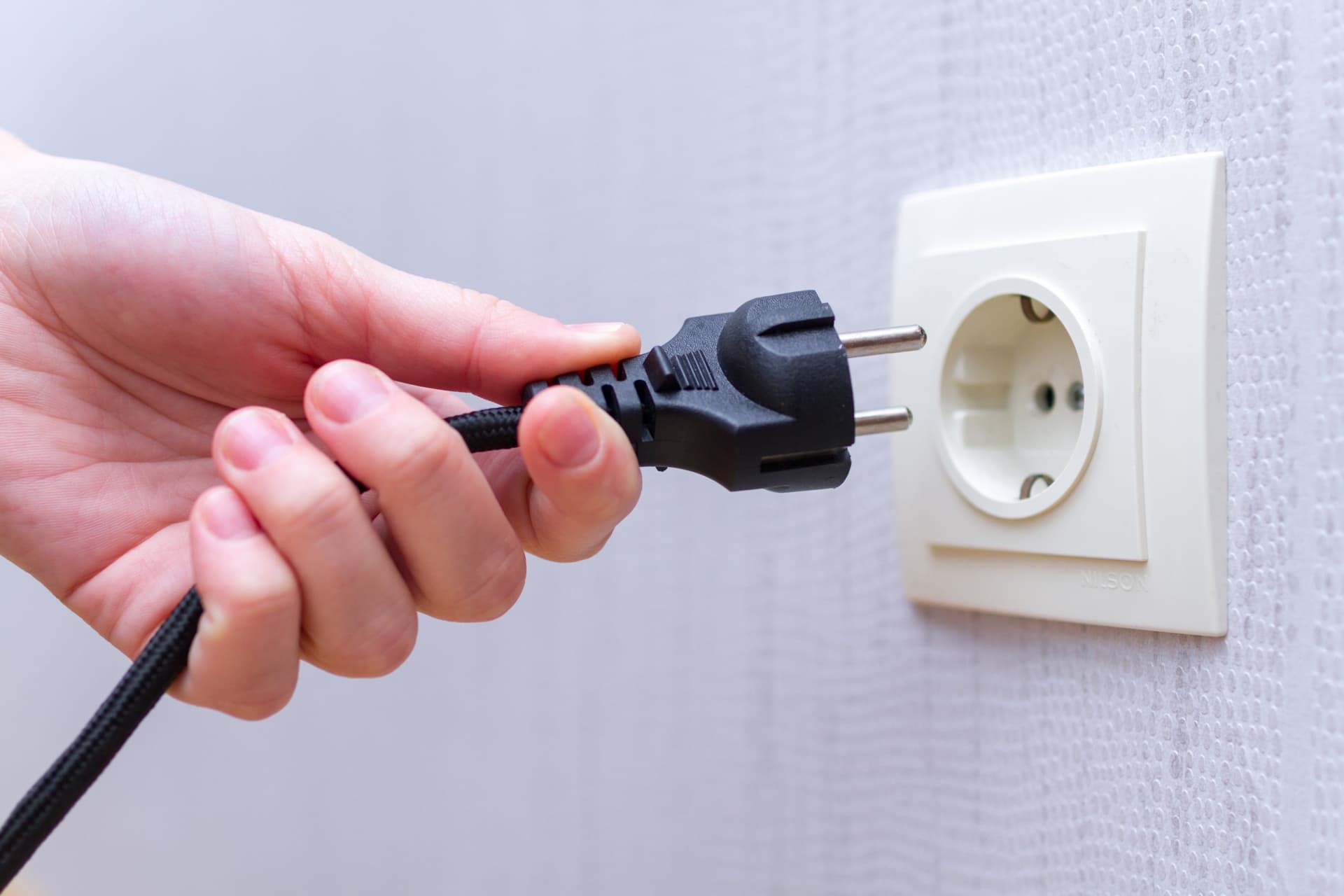
Useful Tips
Bottled water, type C and E outlets, decent 4G network, good security in tourist areas, health advice from our team.
1 articleAll practical guides
Search and filter among 4 articles
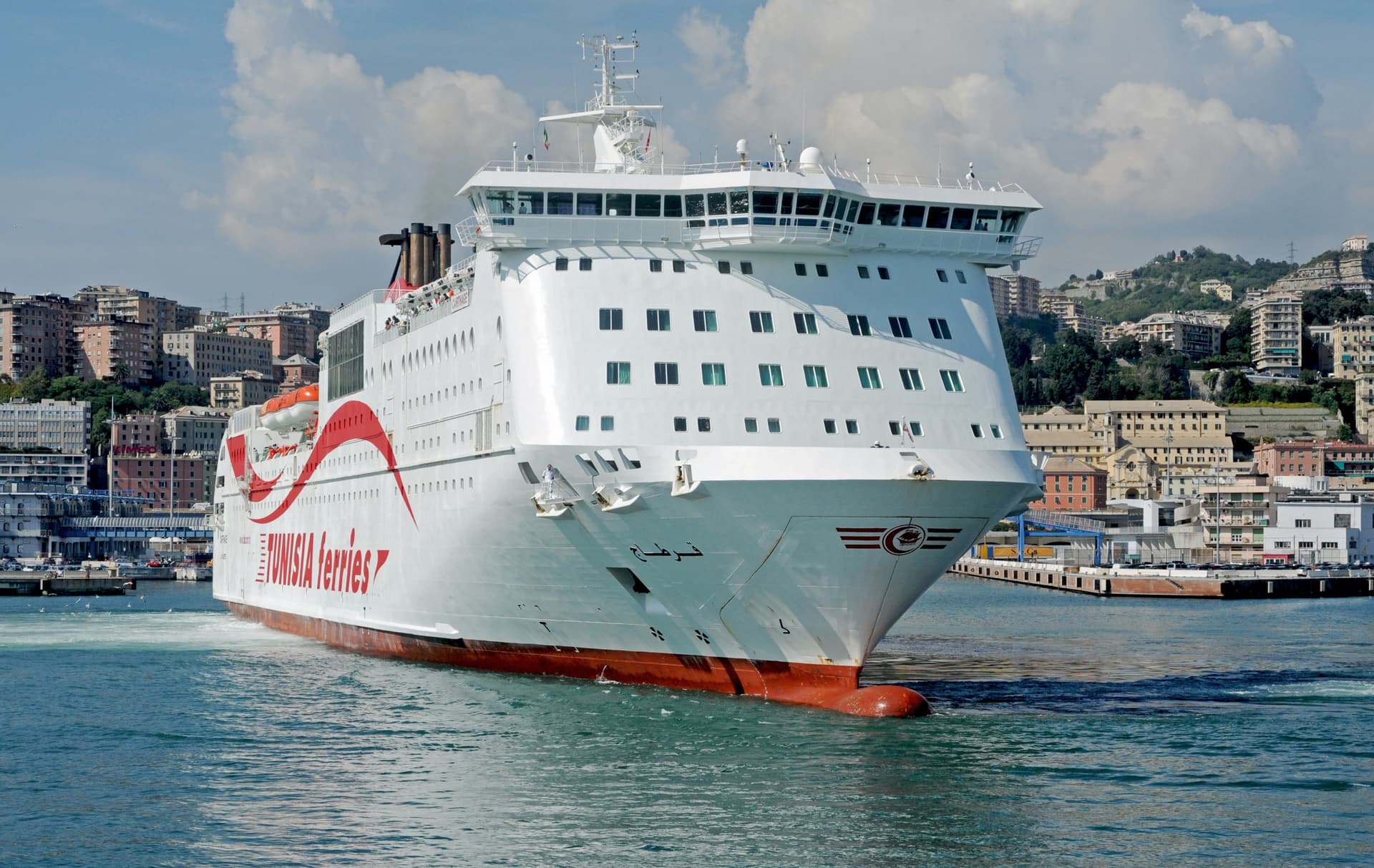
4 of 4 results
Frequently asked questions
The answers to the most frequently asked questions from our travellers.
French, Belgian, Swiss, Luxembourgish and Canadian nationals are exempt from visa requirements for tourist stays of less than 90 days. A valid passport, valid for a minimum of six months after your return date, is sufficient. Upon arrival at Tunis-Carthage, Djerba-Zarzis, Enfidha or Monastir, an entry stamp will be issued to you free of charge. For longer stays or professional purposes, a visa can be obtained at the Tunisie consulate before departure; expect around 30 euros and a two-week processing time. Minors travel with their own passport and, if not accompanied by both parents, must have a signed travel authorization form.
No vaccine is mandatory to enter Tunisia from Europe. We nonetheless recommend being up to date on DTP (diphtheria, tetanus, poliomyelitis) and hepatitis A, particularly useful if you plan to taste street food or travel to the South. For extended stays or close contact with rural populations, hepatitis B, typhoid and rabies can be considered. There is no malaria in Tunisia. No risk of yellow fever. A consultation with your doctor or at an international vaccination center, four to six weeks before departure, allows you to adjust according to your profile. Remember to bring a small first aid kit with anti-diarrheal and pain relief medication.
Excluding international flights, budget an average of €60 to €80 per day per person for a standard comfort trip, and €100 to €140 for a circuit with charming hotels, riads and private vehicle with driver. A meal in a Tunisian restaurant costs €8 to €15, a night in a guesthouse in Sidi Bou Saïd or Tozeur between €60 and €110, a two-day camel trek around €180 per person all-inclusive. Archaeological sites cost 5 to 8 dinars entry (€1.50 to €2.50). Fuel remains inexpensive, approximately €0.80 per liter. Budget €5 to €10 dinars per day in tips for guides and drivers.
The intermediate seasons, from April to June and from September to early November, offer the most balanced conditions across the country: 22 to 28°C on the coast, 25 to 32°C in the South, with pleasant evenings. For the Sahara, choose November to March, when daytime temperatures remain around 22°C and allow for bivouacs. July and August are best avoided in the desert where temperatures exceed 45°C, but are suitable for beach stays in Djerba, Hammamet or Mahdia. Winter (December to February) remains mild on the coast (12 to 17°C) but cool and sometimes rainy in the north. Ramadan slightly changes local rhythms—check its dates to adjust your expectations.
For a circuit combining medinas, ancient sites and desert, we recommend a private vehicle with an English-speaking driver, which offers flexibility and safety, particularly in the South where the Dahar tracks and access to ksour require a 4x4. Louages, yellow and white shared taxis, efficiently connect towns in the north and coastal areas for independent travel, expect 15 to 25 dinars Tunis-Sousse. Tunisair Express domestic flights serve Djerba and Tozeur from Tunis in less than an hour, useful for saving time. The train is reliable on the Tunis-Sousse-Sfax route. Car rental is possible but local driving requires experience, especially in central Tunis.
Tunisia is a generally safe destination for tourist travel. Medinas, archaeological sites, and tourist areas benefit from visible police presence. We systematically avoid border zones with Libya (southeast of Tataouine) and Algeria (Chambi mountain range near Kasserine) in our itineraries, in accordance with French Ministry of Foreign Affairs recommendations. Standard precautions apply: do not display valuables in the souks, keep your documents secure, respect dress codes when visiting mosques. Women traveling alone are generally well-welcomed, particularly in groups or with our team. If any issues arise, our advisor Arbi remains available 24/7 throughout your stay.
Ready to travel to in Tunisia?
Discover our tailor-made itineraries, designed by our local team. Each route adapts to your pace, your preferences and your travel season.
See our toursWe use cookies to improve your experience and measure our site's audience. You can choose what you accept. Learn more.