Visiting Djerba: the must-see attractions to discover
Bathed in the Mediterranean Sea, the island of Djerba is located on the Tunisian coast. Known for its beaches, the island nicknamed "Djerba the gentle" is renowned for its ideal climate.
Bathed in the Mediterranean Sea, the island of Djerba is located on the Tunisian coast. Known for its beaches, the island nicknamed "Djerba the gentle" is renowned for its ideal climate. Rich in history, this 514 km² islet is a dream destination thanks to its cultural heritage and remarkable historic monuments. Wondering what to visit in Djerba? Follow us through the streets of Houmt Souk and Erriadh (Djerbahood), all the way to the Ghazi Mustapha fort… as we uncover all the must-see attractions of this island of golden sands!
The fish market of Houmt Souk
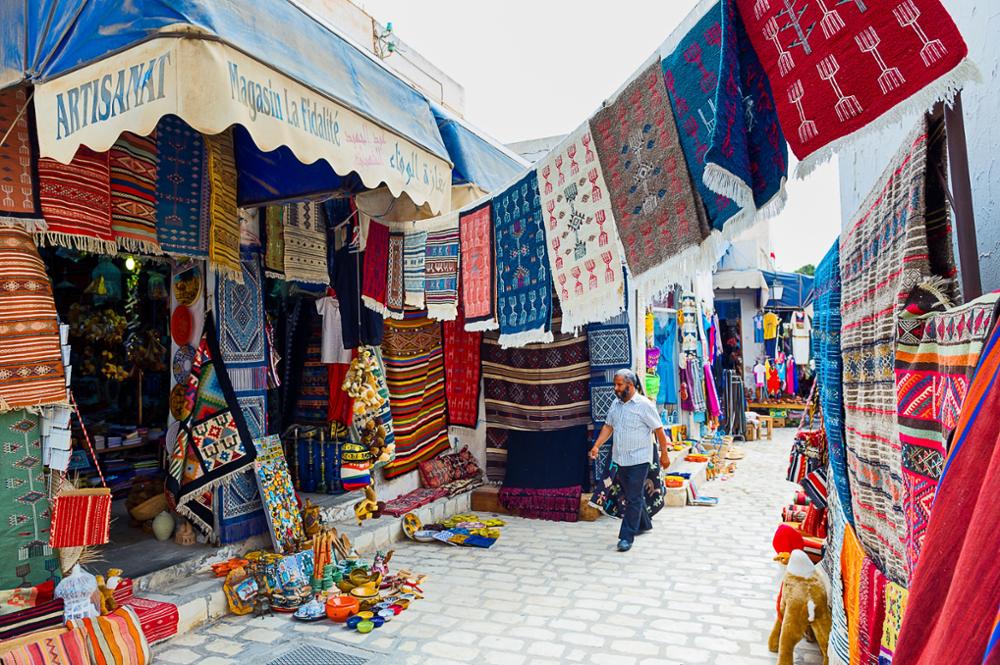
According to legend, the city of Houmt Souk developed on the site of an ancient Roman city named Gerba... Today the capital of Djerba, Houmt Souk is renowned for its many souks (textiles, jewelry, food, pottery, etc.).
During a morning stroll, don't miss its famous fish auction as you wander through the market aisles. You'll witness fish being sold at auction and can – if you dare – bid on a beautiful sea bream or a freshly caught red mullet! For just a few dinars, you can even have it grilled and taste it on the spot. A truly authentic moment at the heart of local life.
The Ghazi Mustapha fort and the Fondouks
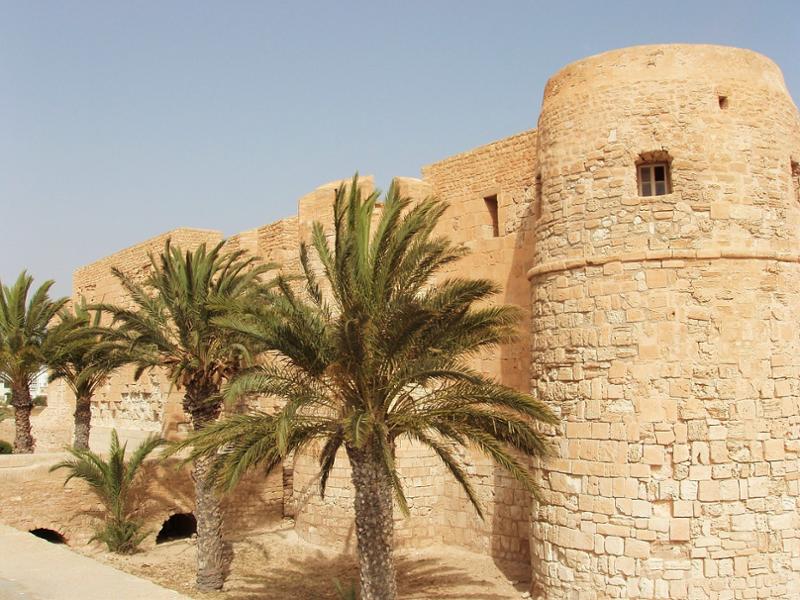
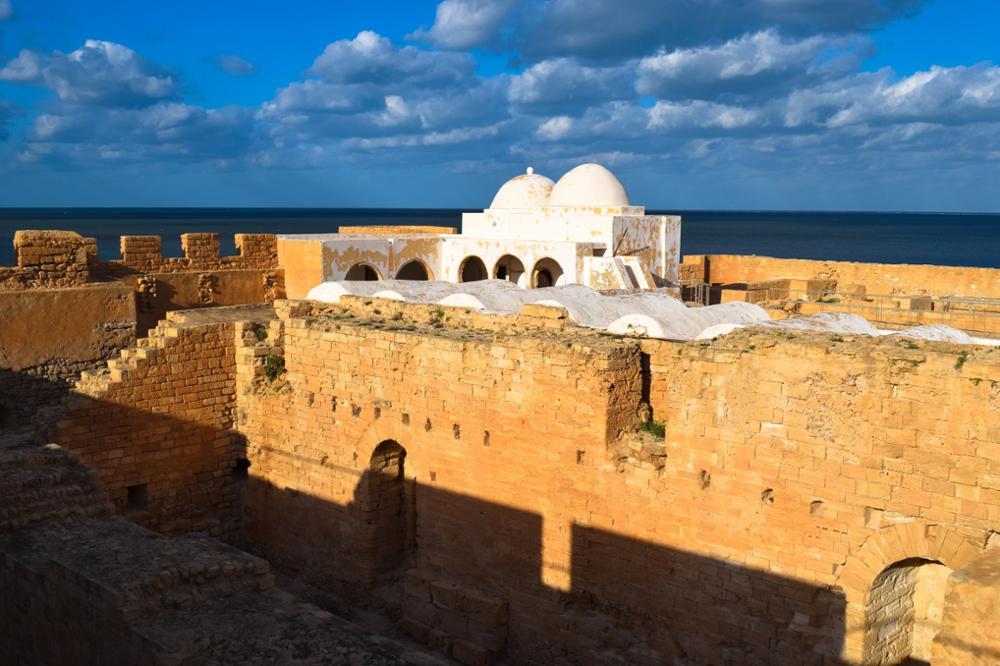
Built in the 15th century, the Borj El Ghazi Mustapha is a fort adjoining Houmt Souk's fishing port. Inside its stone walls? Historic objects (discovered during excavations in 1975) are displayed in an antiquarium. Located by the sea, this beautifully preserved site offers panoramic views of the Mediterranean.
After a stop at the Ghazi Mustapha fort, set out to discover the Fondouks scattered throughout the streets of Houmt Souk. These large traditional square buildings bear witness to 17th-century architecture. Some of these caravanserais, converted into restaurants, will also allow you to taste local cuisine.
The museum of traditional heritage of Djerba
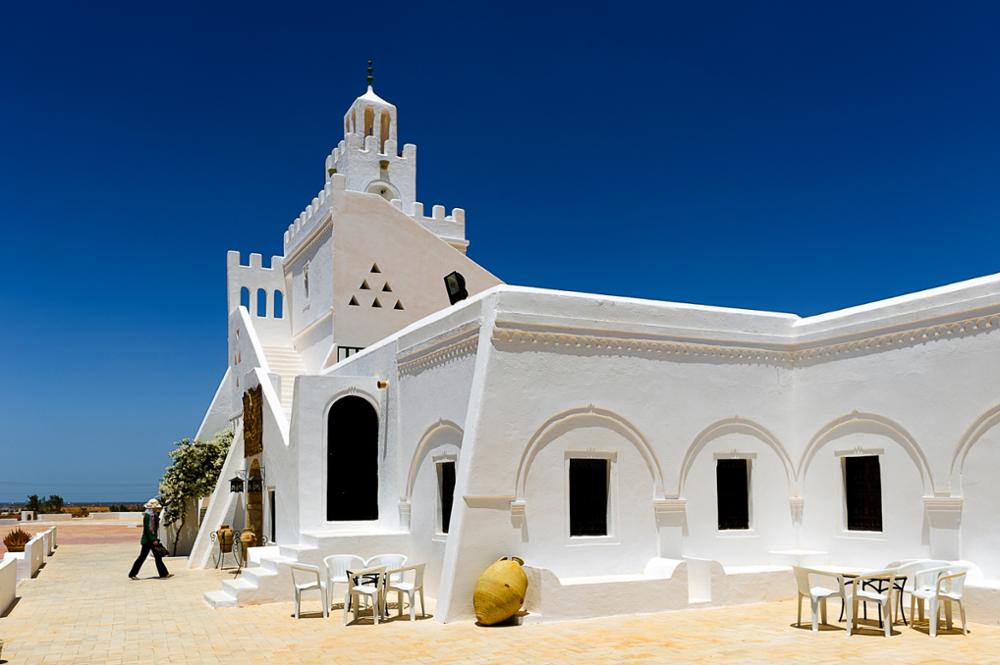
More than just a simple gallery, this museum will introduce you to traditional Tunisian customs and arts through its various pavilions (pottery gallery, fishing, weaving, goldsmithing, etc.). Before exploring the museum itself, you'll enter the site by crossing its archaeological garden. An opportunity to admire the vegetation typical of arid zones. The museum's architecture will enchant you with its traditional houses and the mausoleum of Sidi Zitouni.
The Synagogue of La Ghriba
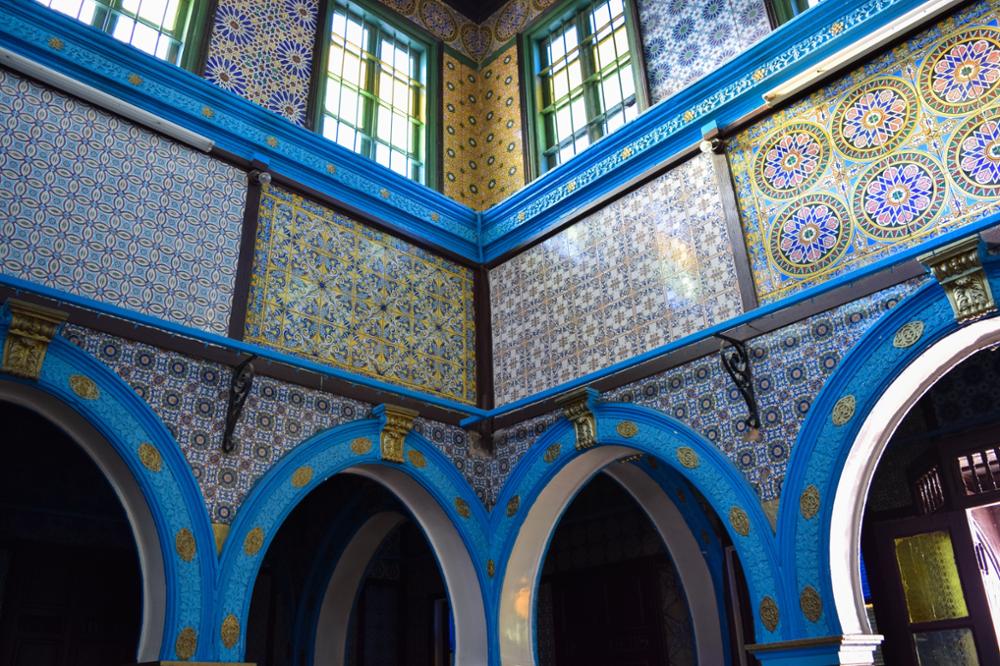
Located 11 km south of Houmt Souk, the Synagogue of La Ghriba ranks among the island's most important monuments. Adorned with mosaics and stained glass, it boasts incredible architecture, with its arches and splendid blue faience tiles.
Wish to visit? You'll need to remove your shoes and wear a kippa to discover this holy site, considered the oldest synagogue in the world (586 BC!). The primary identity marker of Djerba's Jewish community, this religious edifice attracts thousands of pilgrims each year during the Lag Ba'omer festival.
Djerbahood: a different way to experience Djerba
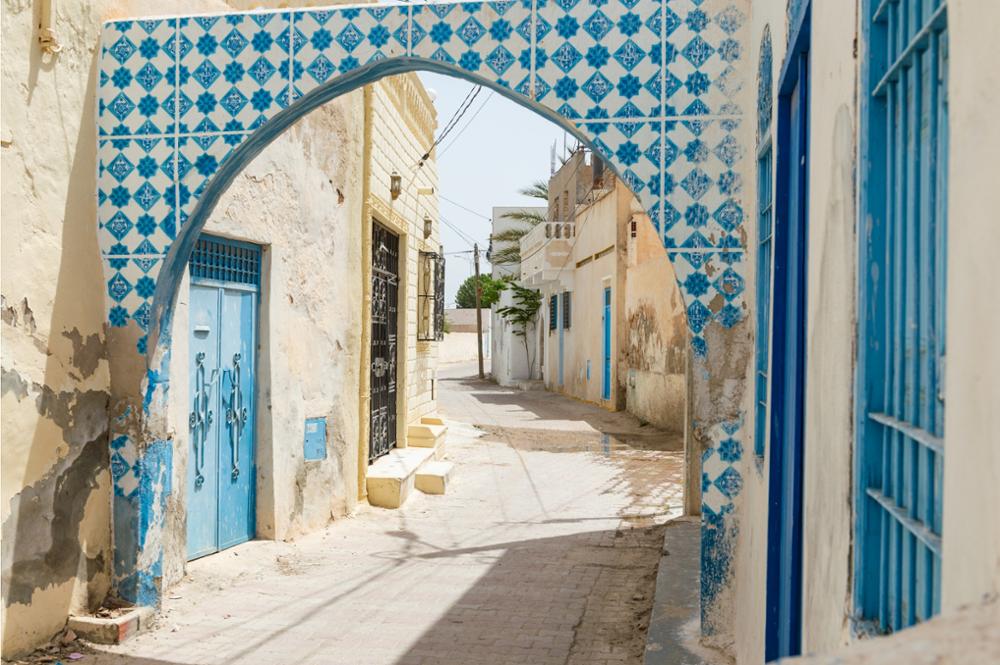
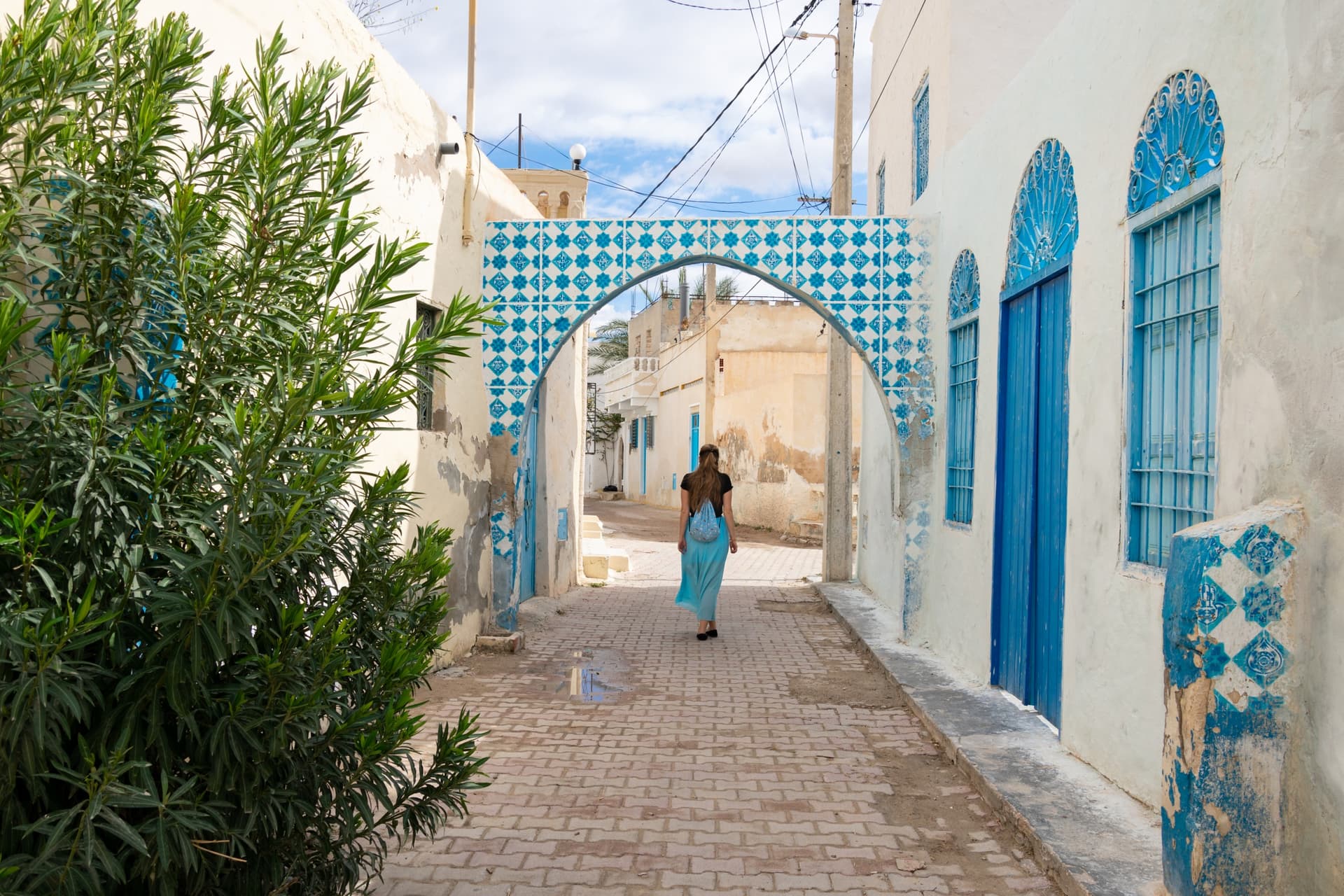
The street art initiative known as Djerbahood is located in the village of Erriadh, just steps from the synagogue. Open-air art galleries where the streets are the privileged expression space for graffiti artists from around the world! Behind this atypical neighborhood? Franco-Tunisian gallerist Mehdi Ben Cheikh. Recognized in urban art circles, he established his artistic project in the village in 2014. The goal was to create dialogue between residents and artists. Today, nearly 300 street art works adorn the neighborhood's walls… A must-see stop for experiencing Djerba in a different way.
The village of Guellala
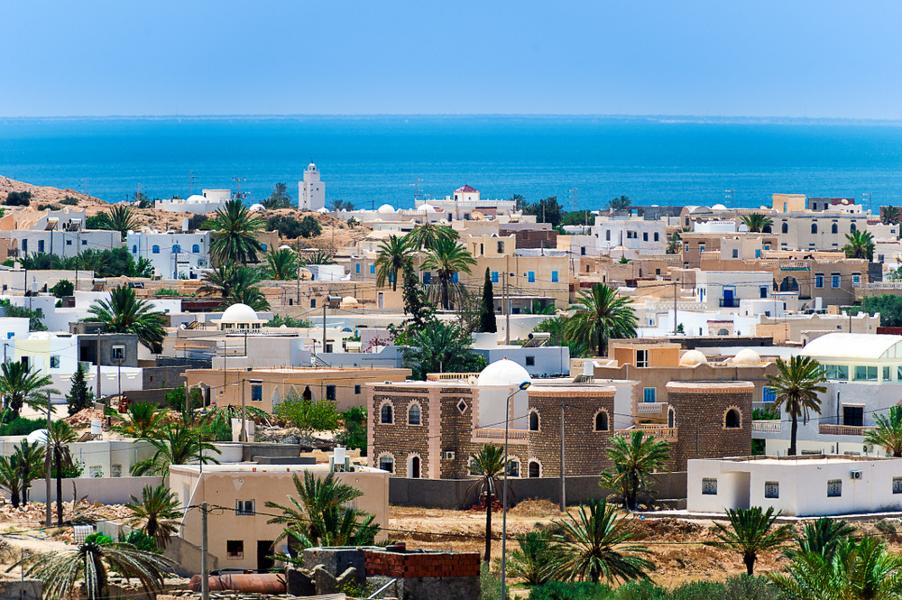
The village of Guellala, located in southern Djerba, is one of the rare villages where the Berber dialect is still spoken by residents. Endowed with numerous clay deposits, this small town is considered the pottery capital, and owes its name to its commercial activity. Indeed, Guellala means "jug" in English. From the moment you enter the village, you can admire this ancestral craftsmanship, which decorates the streets and sidewalks in a thousand vibrant colors.
The archaeological site of Meninx
The Meninx site is located on the southeastern coast of the island, near the present-day city of Henchir El Kantara. In Roman times, this prosperous city was an important commercial crossroads due to its location, and was also the capital of Djerba – the archaeological site outlines the boundaries of this ancient capital!
Since 1942, excavations have continued steadily. Year after year, archaeologists' work has uncovered thermal baths, an amphitheater, a theater, and a basilica. Within the archaeological park, you'll find all the information needed to visit… Ready to discover the secrets of producing the prestigious purple dye, extracted from a seashell?
Frequently asked questions
The best time to visit Djerba is spring (April-June) and autumn (September-October), when temperatures are pleasant (20-28°C) without the oppressive heat of summer. July and August are the most crowded months but also the hottest.
From France, the island of Djerba is accessible by air via Djerba-Zarzis International Airport, with direct flights from Paris, Lyon, or Marseille. In summer, many charter flights offer direct connections. It's also possible to reach the island by ferry from the Tunisian coast via a ferry from Jorf.
Yes, the Synagogue of La Ghriba is open to visitors of all faiths. To enter, it is mandatory to remove your shoes and cover your head (a kippa is provided for men). It is advisable to dress respectfully. The synagogue is closed on Saturdays (Shabbat).
To visit the main sites of Djerba (Houmt Souk, La Ghriba, Djerbahood, Guellala, Meninx, and the beaches), plan at least 3 to 4 days. A week is ideal to enjoy both the beaches, cultural sites, and local markets without rushing.
Djerbahood is a street art project launched in 2014 by Franco-Tunisian gallerist Mehdi Ben Cheikh, located in the village of Erriadh, approximately 11 km from Houmt Souk. Today, nearly 300 works by artists from around the world adorn the neighborhood's walls, making it a true open-air art gallery.