Visiting Carthage and Sidi Bou Saïd: the must-sees
Wondering where to go this summer? Fly to Tunis! Between beach getaways, explore a fascinating historical journey with visits to Carthage and Sidi Bou Saïd.
Wondering where to go this summer? Fly to Tunis! Between beach escapes, discover a captivating historical journey, thanks to visits to Carthage and Sidi Bou Saïd: two must-see destinations to explore in Tunisie. Eager to uncover the Punic and Roman ruins of this ancient city, and the most impressive archaeological sites in the country? Join us on a journey through these magical places!
Visiting Carthage: 5 must-see sites to discover the ancient city
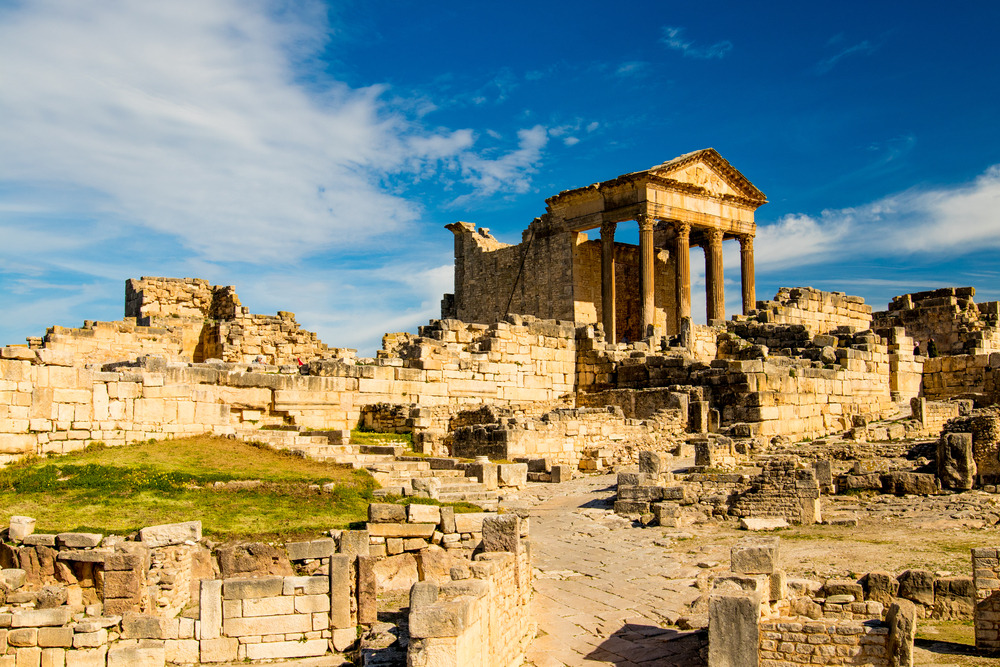
Founded in the 9th century BC, the city of Carthage promises remarkable archaeological discoveries. Bearing the weight of a turbulent past between the Carthaginians and Romans, the city bears witness to complex history, through its Roman and Punic heritage (much of which is UNESCO World Heritage-listed).
1 – The National Museum of Carthage
Situated on the Byrsa hill, the National Museum of Carthage is one of Tunisia's two main archaeological museums. Housed in the former convent of the White Fathers (missionaries of Africa who formed a Catholic religious organization at the time), the museum will delight you with its rich collections, sarcophagi and striking masks. As you wander among the twisted columns of the garden, you can also enjoy an unobstructed view of the excavations and Byrsa hill!
2 – The Punic Ports
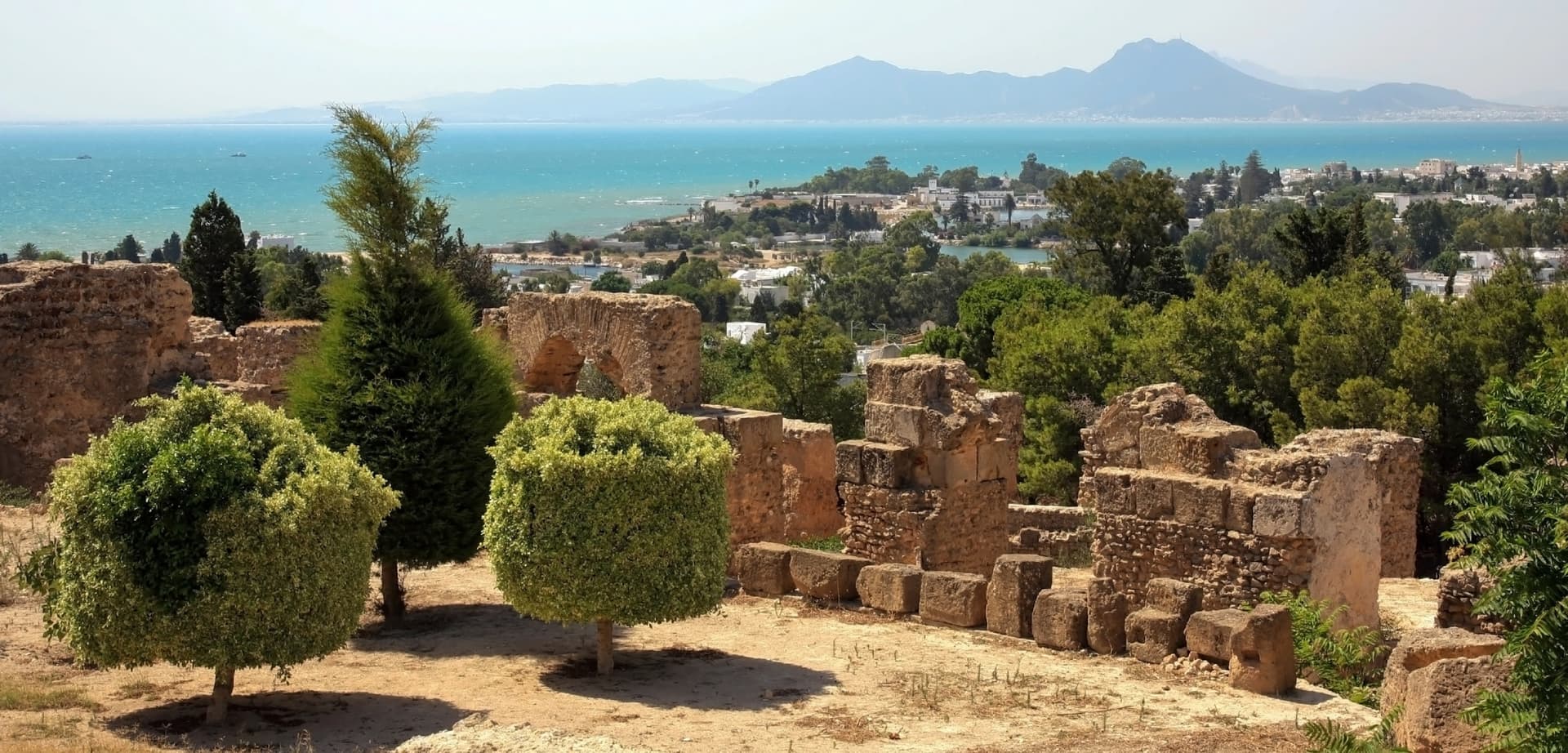
Founded by Phoenician navigators, the city rose to greatness thanks to maritime activity. Numerous port installations bear witness to this glorious era when Carthage was called the "Empire of the Sea." The two Punic ports, once surrounded by walls, could accommodate over 200 ships! Today, columns, pavings and objects from this period are visible in the remains of fortifications. Just a stone's throw away, don't hesitate to make a stop at Salammbô's oceanographic museum.
3 – The Punic Tophet
Carthage's sanctuary contains a large number of children's tombs which, according to interpretations, may have been sacrificed or buried at this site. The history and origins of these children are disputed and remain subject to scholarly debate. The Punic Tophet is part of Carthage's archaeological site and is UNESCO World Heritage-listed.
4 – The Roman Villas Park on Odéon Hill
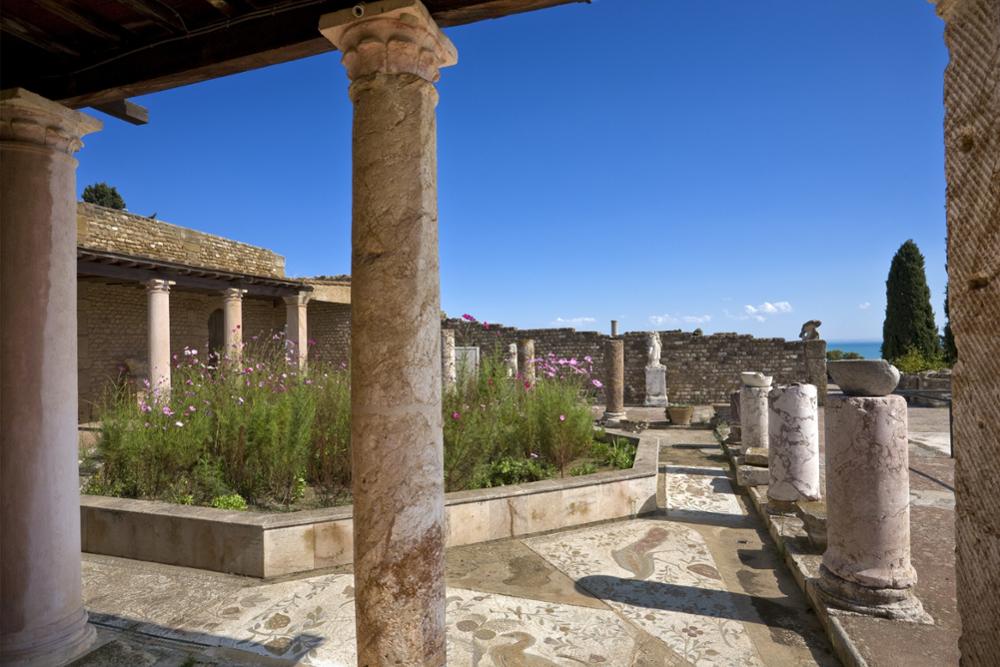
Located on the slopes of Odéon hill, the Roman houses offer exceptional views over Carthage and the Gulf of Tunis. While they haven't weathered the passage of time perfectly, they nonetheless deserve careful attention for their mosaics, which are remarkably well preserved. One of them, called "the aviary," houses an antiquarium.
5 – The Baths of Antonin
Construction of the site took seventeen years, from 145 to 162 AD! Crisscrossed with luxuriant pathways, this sublime Roman complex houses numerous baths, each dedicated to different types of bathing (hot water, cold water, etc.). This archaeological site is a must-see attraction in Carthage!
Exploring Sidi Bou Saïd: 4 essential stops to experience all the beauty this town has to offer
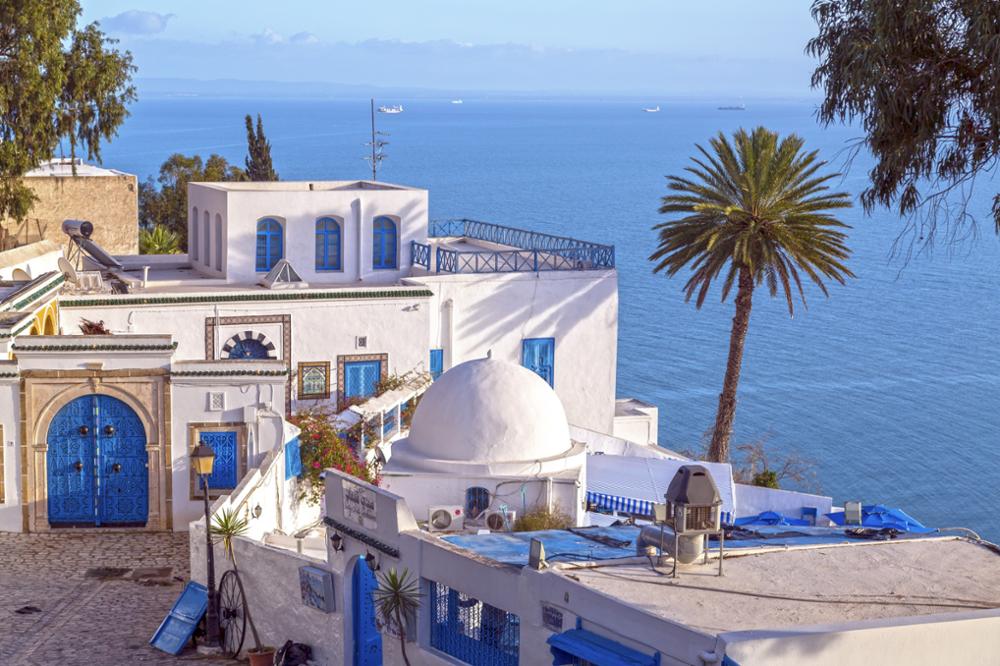
Sidi Bou Saïd is a charming village located about twenty kilometers from Tunis. It is renowned for its cobblestone streets, its pretty blue and white houses and its iconic La Marsa beach. Perched on a hilltop overlooking the sea, Sidi Bou Saïd offers panoramic views over the water.
1 – Ennejma Ezzahra Palace
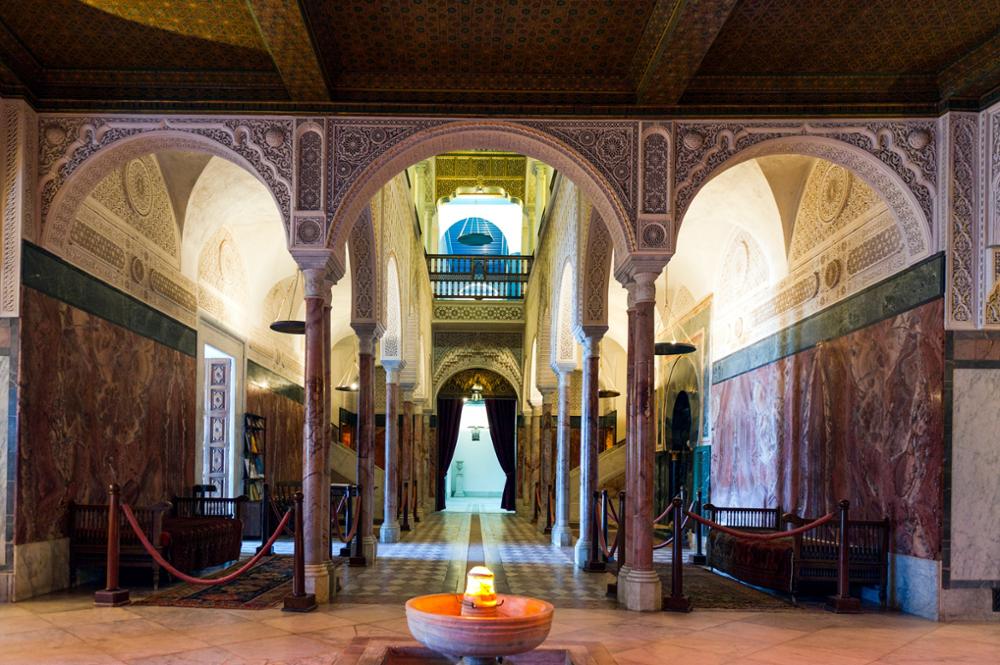
At the heart of Sidi Bou Saïd sits the Ennejma Ezzahra Palace, also known as the "Baron d'Erlanger's Palace," named after its owner. This splendid mansion was built in 1910 following Andalusian architectural standards and features refined interior decoration with multicultural influences.
2 – The Ras Qatarjamah and Sidi Chabaane Viewpoints
Just outside the village, in the heights of the hillside, lies the Ras Qatarjamah viewpoint. Built on the site of an ancient ribat (fortified convent built in the early centuries of Islam), it's an ideal spot for capturing memorable photos! If you'd like to take a break on a terrace, settle in at the "Café Sidi Chabaane" (also called Café des Délices). The venue boasts one of the finest views over the Gulf of Tunis!
3 – Habib Thameur Street
After regaining your energy, head to Habib Thameur Street, a ten-minute walk from the café. This main street of Sidi Bou Saïd is THE essential destination for shopping, finding authentic souvenirs and… sampling local specialties.
4 – Dar El Annabi Museum
This splendid residence, built in the 13th century, was the summer palace of Mufti Mohamed Ali Annabi. The palace still belongs to the Annabi family and has been partially converted into a museum. The house, which boasts around fifty rooms, is a true architectural treasure. Inside, furniture and numerous decorative objects showcase the entire contemporary Arab-Muslim period.
Frequently asked questions
The most convenient option is the TGM (Tunis-Goulette-Marsa), a suburban train that connects Tunis to Carthage and Sidi Bou Saïd in less than 30 minutes. The Carthage-Hannibal and Sidi Bou Saïd stations are located near the main tourist sites. Taxis are also a convenient option from central Tunis.
Yes, it's entirely possible to combine the 5 must-see sites in Carthage and the 4 essential stops in Sidi Bou Saïd in a well-organized single day. It's advisable to start in Carthage in the morning (museum, Baths of Antonin, Punic ports) then head to Sidi Bou Saïd early afternoon to enjoy the views and the café des délices at sunset.
Yes, a large portion of Carthage's archaeological heritage is UNESCO World Heritage-listed. This includes notably the Punic Tophet and several other archaeological sites of the ancient city, which bear witness to the Punic and Roman history of this city founded in the 9th century BC.
Spring (April-May) and autumn (September-October) are the best times to visit these sites, with mild temperatures and fewer crowds. Summer (June-August) is warm and lively, ideal if you want to combine culture and beach time at La Marsa. In winter, the sites are less crowded but some museums may have reduced hours.
Located on Byrsa hill, the National Museum of Carthage houses rich collections of Punic and Roman antiquities: sarcophagi, striking masks, mosaics and everyday objects. The garden with its twisted columns also offers an unobstructed view of the archaeological excavations on Byrsa hill, not to be missed.