Tunis
Tunis
Ancient Medina, Bardo mosaics and Carthage ruins: complete guide to visiting Tunis, a multifaceted Mediterranean capital.
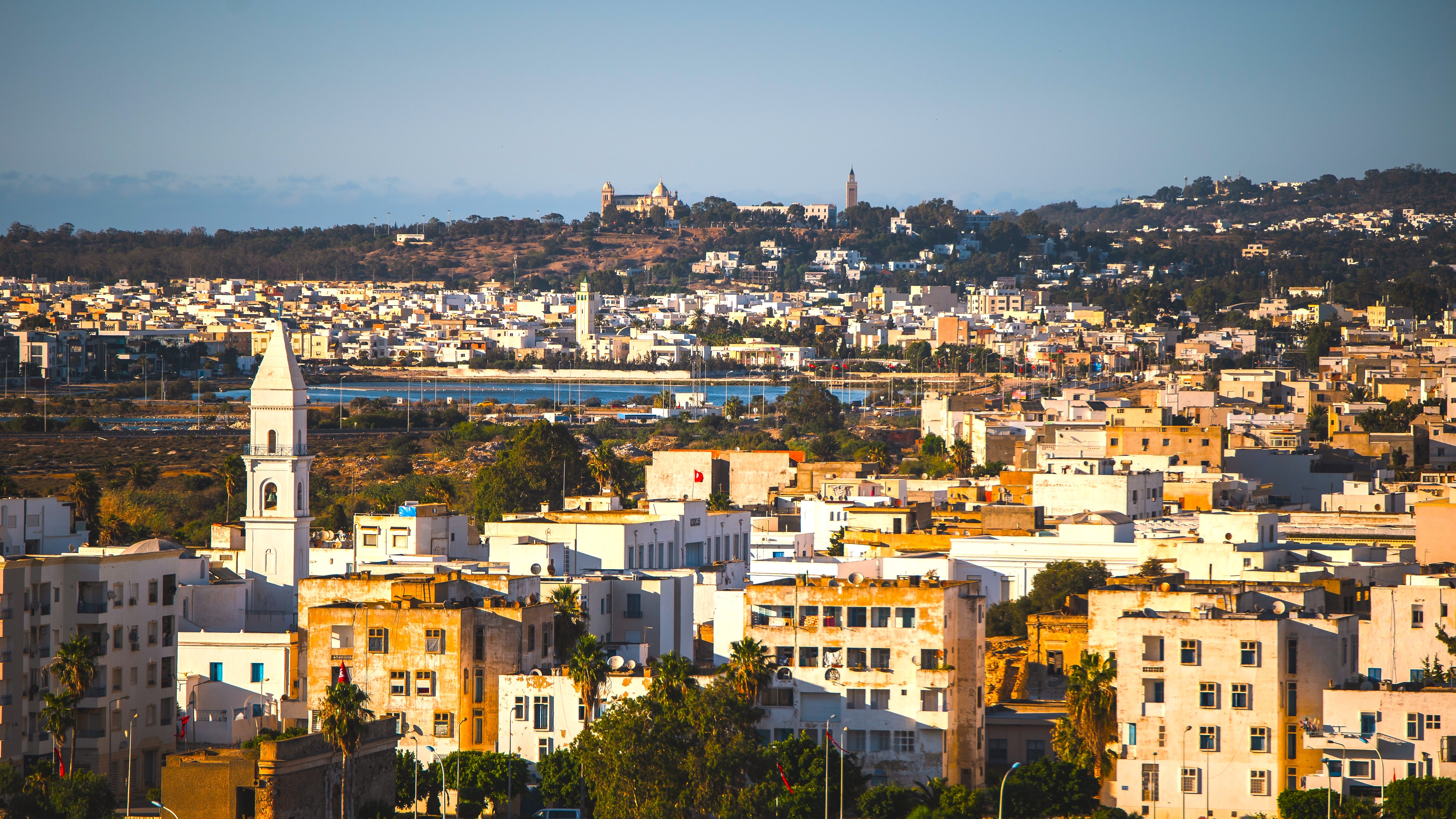
Perched proudly atop a hill 52 meters high, Tunis is framed by three valleys: Bab Hassen, located to the southeast and reaching 88 meters, Manouibia rising to 79 meters to the west, and Belvédère to the north at 83 meters. The city enchants with intoxicating scents of musk, jasmine and rose from the Orient. The Maghreb region reveals typical vegetation, unveiling an impressive expanse of pine, palm and eucalyptus trees. On the journey home, remember to bring back a few souvenirs sure to impress family and friends.
A Brief History of the City
Tunes, or Tunis, was founded in the 4th century BC. The citadel eventually fell into the hands of Hassan ibn Noôman and his Arab troops in the 7th century. Between 902 and 909, Ibrahim II designated Tunis as the capital of Tunisie. In 1159, it came under the control of the Almohad Abd al Mumin, who was succeeded by the governor Abu Zakariya Yahiâ. Tunis subsequently became involved in the 8th Crusade, during which King Saint Louis collapsed at the city's gates.
Between the 12th and 14th centuries, Tunis was one of the richest and most powerful cities in Islam. The arrival of the Andalusians soon maintained its prosperity, and in 1574, it was granted the status of Ottoman province. With the establishment of French protectorate in 1881, Tunis had 120,000 inhabitants, of whom 3,000 were of European origin.
Today
The city of Tunis gradually entered a new era when Tunisie's independence was proclaimed in 1956. Divided into two parts, the old city contains the Medina, covering an area of 270 hectares and listed as a UNESCO World Heritage site. Its characteristic features still display ostentatious décor, exhibiting an eclectic or Arabized architectural style. Straight streets are lined with public buildings, administrative buildings and numerous shops, antique stores and artisanal product boutiques. The modern city, meanwhile, is filled with numerous buildings designed in Art Nouveau style.
What to Visit in Tunis?
A visit to the heart of Tunis must systematically include the site of Carthage. This ancient metropolis is a must-see if you want to discover its impressive remains. Don't miss the Great Mosque (Jamaa ez Zitouna) with its rich decorations, one of the city's most important religious centers. You'll also find medersas displaying architecture that combines sobriety and elegance. For shopping, head to the Souks of Tunis, a covered market located at the gates of the Medina. The Palmarium, now a huge shopping complex, was once a cultural building housing a municipal theater, casino and the current Tunisia Palace hotel. While shopping, a detour to the Tunis wholesale market (Bir El Kassaâ) will allow you to stock up on fresh produce. This is Tunisie's largest market for vegetables, fruits and fish.
Other Cultural Sites
The Postal Museum
The building houses a complete collection of all stamps issued in Tunisie, foreign stamps, postcards, as well as used telephone and telegraph transmission equipment.
The Bardo National Museum
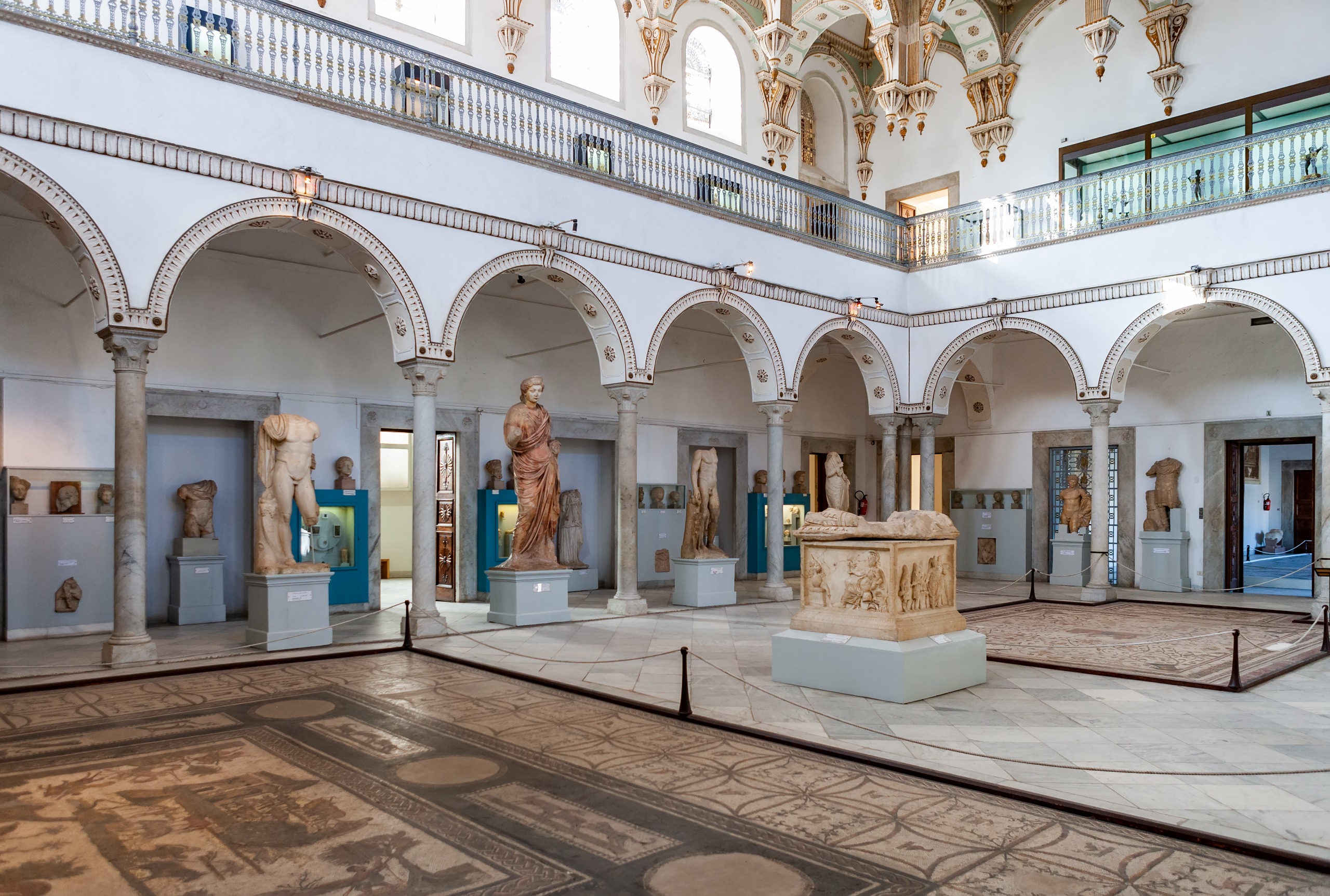
The recently expanded and renovated building represents one of the world's finest archaeological sites. It houses an enormous collection of Romano-African mosaics and other priceless treasures such as Carthaginian statues, medieval manuscripts, Christian and Jewish mosaics, polychrome ceramic panels... In any case, a brief visit isn't enough to see all the wonders on display.
Near Tunis
Tunis and its surroundings are full of attractive places that bring moments alive for many generations. In most places, historical sites abound. Among them, you'll discover:
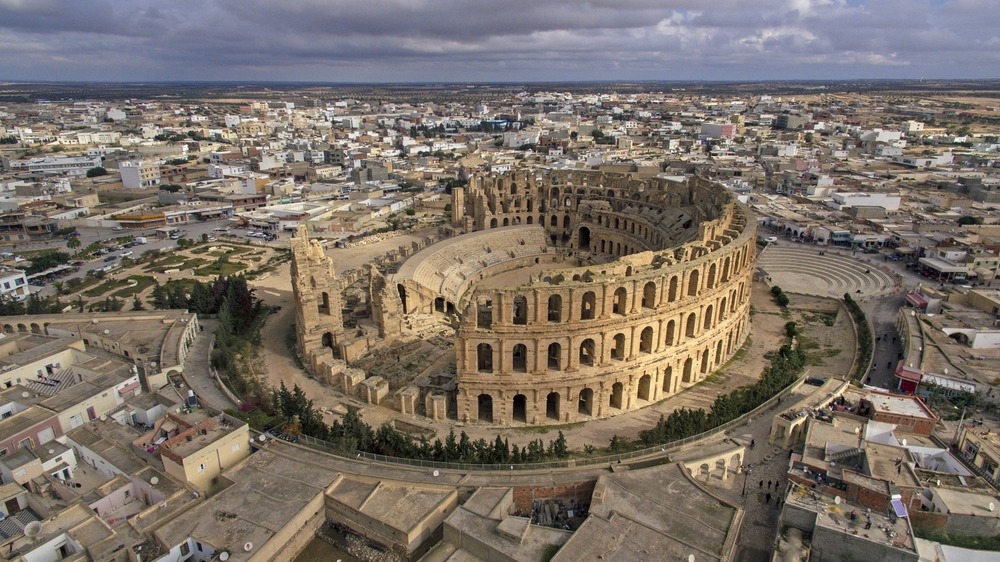
The El Jem Coliseum
Neighboring the seaside resorts of Sousse, Monastir and Mahdia, this Roman structure monument has a spectacular appearance. It hosted circus games that inhabitants greatly enjoyed at the time. Nearby is an archaeological museum, showcasing beautiful mosaics and recreating a large Romano-African residence.
The Monuments of Kairouan
Among the most renowned is the Great Mosque "Oqba Ibn Nafi", considered the oldest sanctuary and one of the most prestigious buildings in the Muslim world. You'll also find many remarkable sites such as the Aghlabid Basins formed in the 9th century, the Mausoleum of Sidi Abid built in the 14th century, that of Sidi Amor Abada with its seven domes, the Mosque of Three Doors, the Barber's Mosque housing the tomb of Abou Zamaa. A few kilometers from the city is an Islamic art museum attracting nearly a hundred visitors. This historic city, inscribed on the UNESCO World Heritage list, today houses a major crafts center where the famous Kairouan carpets are created.
The Ribat of Monastir
This is an imposing structure, above which its high tower offers an excellent panorama of the city and sea. Enlarged many times over the centuries, the Ribat of Monastir is among the finest fortresses built with Islam's arrival in Tunisie. The surrounding regions reveal other sites frequently visited by tourists: the Ribat of Sousse, the Fort of Kélibia located at Cape Bon, or the Bori Ghazi Mustapha in Djerba. The Kasbah of the old city of Le Kef and the Fort of Mahdia, for their part, attract fewer tourists.
Practical Information
Climate
Due to its altitude, Tunis enjoys a warm temperate climate. The city has an average annual temperature of 18°C, reaching up to 34°C in dry conditions. Unlike what is observed during winter season, precipitation is less abundant in summer. According to estimates on the Köppen-Geiger climate map, the climate falls into the Csa category.
A Taste of Local Cuisine
Culinary specialties are among the curiosities not to be missed when planning a trip to Tunis. Among the most popular local dishes, you'll find gargoulette, egg brick, lamb or chicken couscous, and the famous Fatma's fingers. For dessert, you'll have the chance to taste date makrouds.
There are two ways to reach Tunis.
By Plane
More economical and faster, flights connect Paris to Tunis-Carthage airport in approximately 2 hours and 20 minutes. Depending on the season, ticket costs range from €140 to €450 for a round-trip. From Nice, the journey takes about an hour. Tickets are available between €210 and €300.
By Boat
Shipping companies offer the possibility to embark from Marseille or from Italy. The journey requires 24 hours of crossing.
Tunis has numerous transportation options. The city has 6 light rail metro lines that run through Tunis. 214 bus lines also provide excellent coverage. Otherwise, taxis are easily spotted by their yellow color.
Attractions in Tunis
See all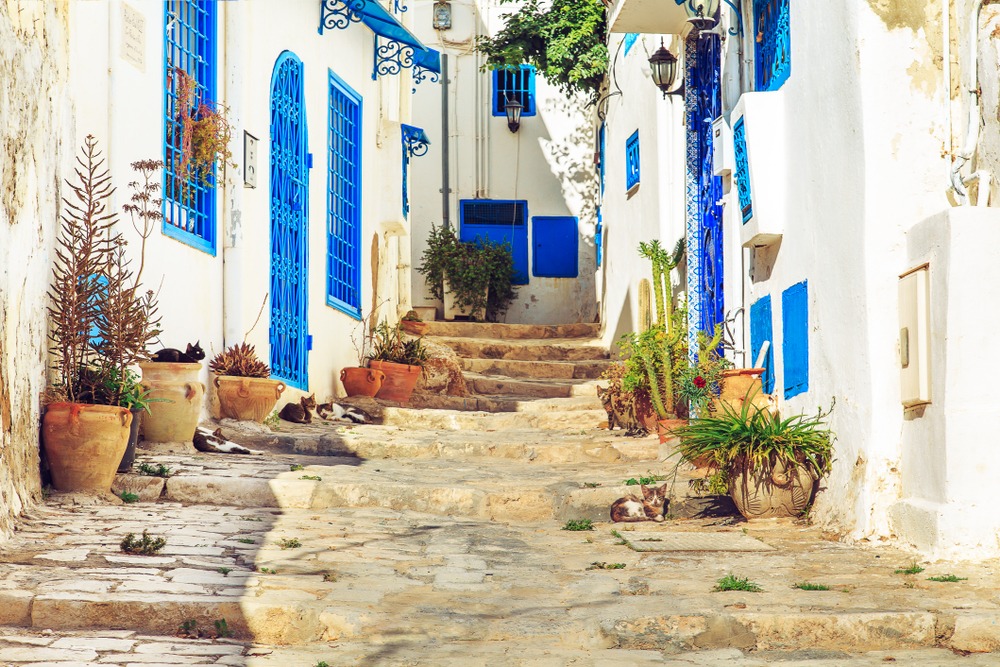
Sidi Bou Saïd
À 20 km de Tunis, Sidi Bou Saïd allie architecture arabo-andalouse, façades blanches et bleues et vues sur le Golfe de Tunis et Carthage.
Musée du Bardo
Installé dans un palais beylical à Tunis, le musée du Bardo conserve les mosaïques romaines de Carthage, Dougga, Sousse et El Jem dans une cinquantaine de salles.
Musée national de Carthage
Sur la colline de Byrsa, le Musée national de Carthage réunit stèles puniques, sarcophages anthropoïdes et mosaïques romaines. Un parcours de 1 h 30 à 2 h pour traverser mille ans d'histoire méditerranéenne, avec vue sur le golfe de Tunis.
Thermes d'Antonin
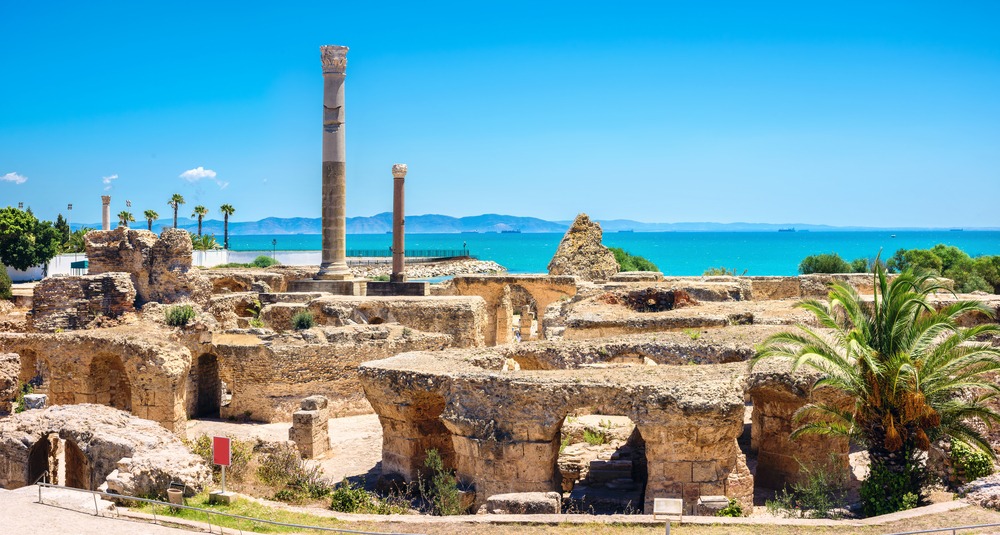
Face à la Méditerranée, les Thermes d'Antonin sont les vestiges les mieux conservés d'un complexe thermal romain en Afrique du Nord. Un site classé UNESCO à Carthage, à 30 min de Tunis en TGM.
Carthage romaine
Site UNESCO en banlieue de Tunis, Carthage rassemble thermes d'Antonin, villas à mosaïques, théâtre romain et musée national sur les traces des civilisations punique et romaine.
Sanctuaire du Tophet de Carthage
Le Tophet de Carthage est un sanctuaire punique à ciel ouvert, à Carthage-Salammbô près de Tunis. Stèles au signe de Tanit et urnes cinéraires témoignent de siècles de rituels phéniciens encore débattus par les archéologues.
Want to discover this destination?
Our local advisors design your tailor-made trip.