Carthage National Museum
Perched on Byrsa Hill, the Carthage National Museum brings together Punic stelae, anthropoid sarcophagi and Roman mosaics. Allow 1.5 to 2 hours to traverse a thousand years of Mediterranean history, with views over the Gulf of Tunis.
Located on Byrsa Hill, at the heart of the Carthage archaeological site listed as a UNESCO World Heritage site, the Carthage National Museum houses the most significant remains of one of the great powers of the ancient Mediterranean. Punic stelae, sarcophagi, Roman mosaics and everyday objects here trace over a thousand years of history, from Phoenician settlement to Arab conquest.
Practical Information at a Glance
- Admission: Paid (combined ticket with Carthage archaeological site)
- Recommended duration: 1.5 to 2 hours to explore the collections and terrace
- Dress code: No specific dress restrictions
- Access: TGM light rail from Tunis-Marine station, Carthage-Hannibal or Carthage-Byrsa stops
- Accessibility for people with reduced mobility: Partial access due to the terrain of Byrsa Hill
What You'll See
The collections span several successive civilizations. The Punic department displays votive stelae from the tophet, terracotta masks, jewelry and funeral urns. The Roman department showcases mosaics, marble sculptures and inscriptions. A Christian and Byzantine section completes the tour with oil lamps and carved capitals.
The outdoor terrace offers an open view over the Gulf of Tunis and the surrounding ruins — a panorama that immediately situates Carthage within its geographical and strategic context.
History and Context
According to tradition, Carthage was founded around 814 BCE by Phoenician colonists from Tyre. Rival to Rome during the Punic Wars, it was razed in 146 BCE and later rebuilt as the capital of Roman Africa. The museum, established in the buildings of the former Saint-Louis Cathedral on Byrsa Hill, has opened its collections to the public since the mid-20th century.
The Carthage site has been inscribed on the UNESCO World Heritage List since 1979.
Highlights of Your Visit
The Tophet Stelae
These Punic votive stones, often adorned with the sign of Tanit, come from the sanctuary where cremation urns were deposited. They constitute one of the world's most important collections of Punic epigraphic remains.
The Punic Sarcophagi
Two anthropoid sarcophagi in white marble, representing a priest and priestess, rank among the museum's masterpieces. Their style blends Egyptian and Greek influences, reflecting the Mediterranean exchanges of the era.
The Roman Mosaics
Several mosaic panels illustrate the prosperity of Roman Carthage: hunting scenes, geometric patterns and mythological representations bear witness to the craftsmanship of local workshops.
The Panoramic Terrace
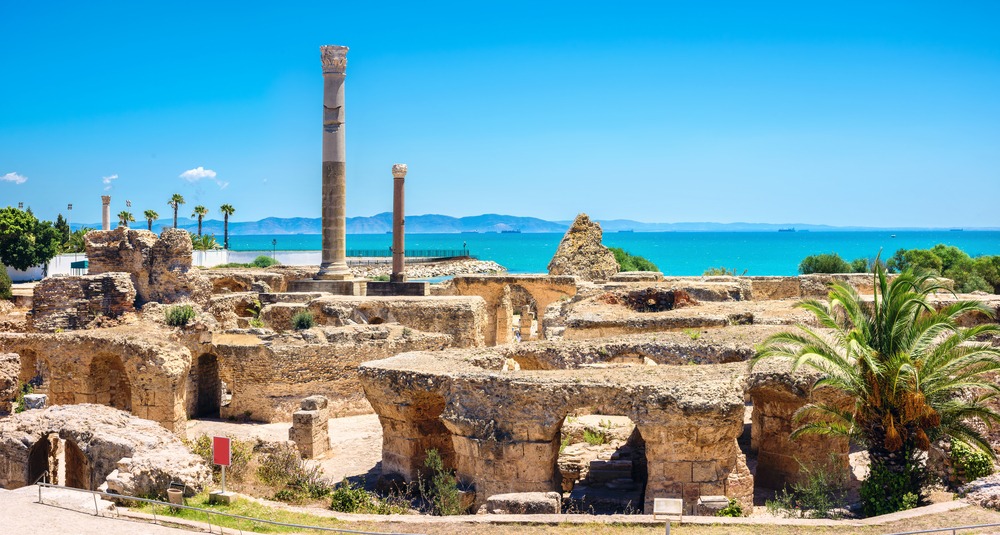
From the summit of Byrsa Hill, your gaze sweeps across the Gulf of Tunis, Sidi Bou Saïd and the ruins of the Antonine Baths visible below. This vantage point helps explain why Carthage controlled the maritime routes of the western Mediterranean.
Photography Tips
Morning light is ideal on the terrace for photographing the gulf without backlighting. Indoors, display cases are artificially lit; manual white balance adjustment improves the rendering of stelae and mosaics. Photography is generally permitted without flash in the galleries.
Location and Access
The museum stands on Byrsa Hill, in the municipality of Carthage, about twenty kilometers northeast of central Tunis. The most convenient option is the TGM light rail (Tunis-Goulette-Marsa), which connects Tunis-Marine station to Carthage in around thirty minutes. The stops Carthage-Hannibal and Carthage-Byrsa are closest to the museum.
The entrance ticket generally provides access to several archaeological zones around Carthage, including the Antonine Baths and the tophet.
In the Surrounding Area
- Antonine Baths — the best-preserved Roman baths in Africa, visible from the museum's terrace.
- Tophet of Carthage — Punic sanctuary where the cremation urns now displayed in the museum were discovered.
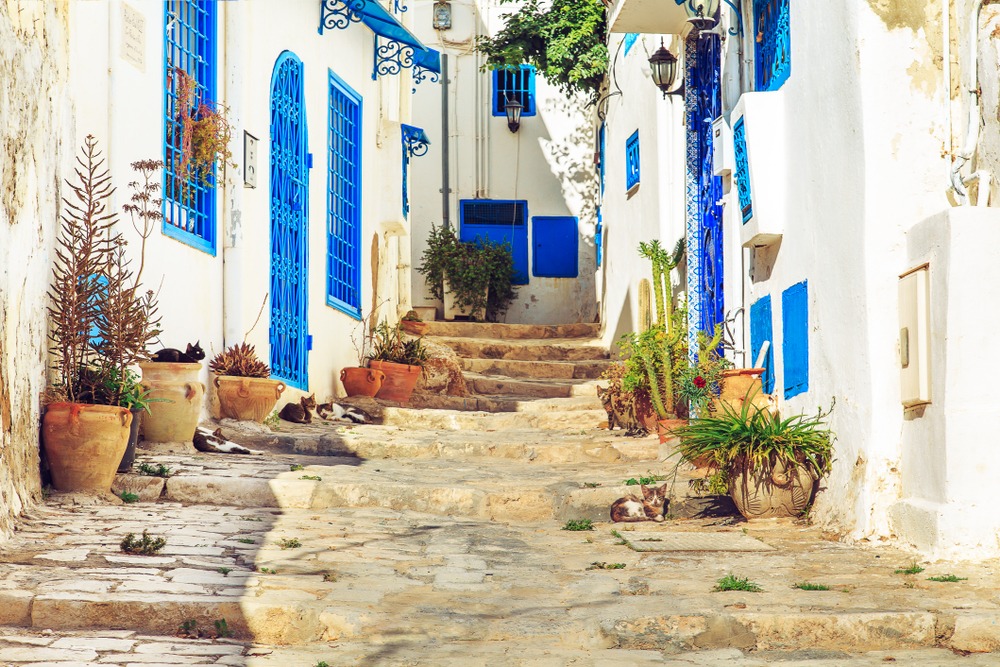
- Sidi Bou Saïd — village of white and blue houses perched on a cliff, a few TGM stops away.
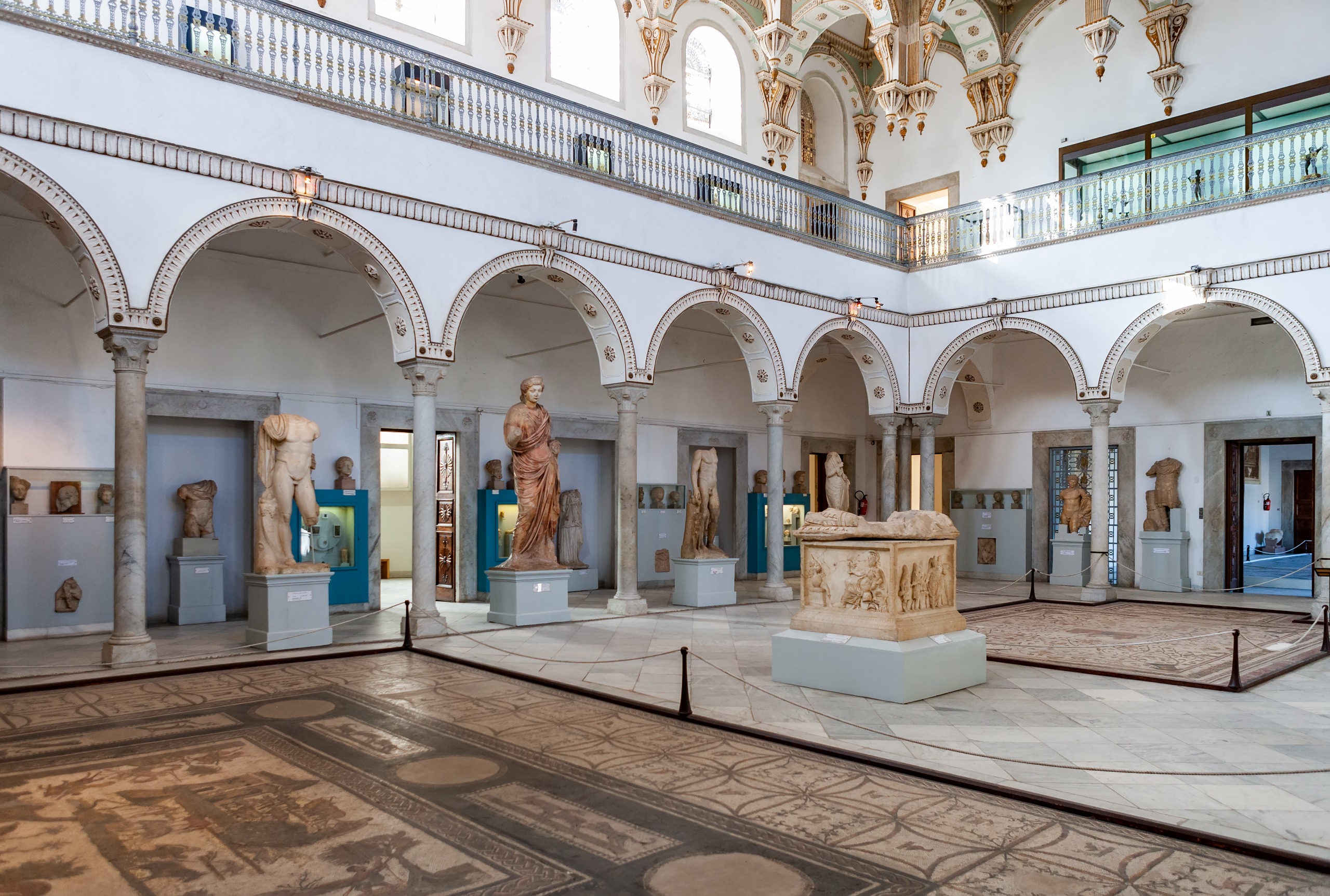
- Bardo National Museum — in Tunis, home to the world's largest collection of Roman mosaics, a natural complement to your Carthage visit.
Frequently asked questions
Take the TGM train from Tunis-Marine station to either Carthage-Hannibal or Carthage-Byrsa stop. The journey takes around 30 minutes. It's the fastest and most economical option.
A combined ticket typically grants access to the museum and the main archaeological zones of Carthage (Antonine Baths, tophet, Roman villas). Check at the entrance for details on which areas are included.
Spring (March–May) and autumn (September–November) offer pleasant temperatures for combining a museum visit with wandering the open-air site. Summer is hot; bring water and sun protection.
Photography without flash is generally permitted in the galleries. Check signs at the entrance to each room, as some fragile pieces may have occasional restrictions.
Access is partial: Byrsa Hill features slopes and stairs that may complicate a wheelchair visit. Contact the museum for information about available accommodations.
Plan 1.5 to 2 hours for the museum alone. If you combine it with the Antonine Baths and tophet, allow a full half-day.
Nearby
Interested in this visit?
We can include it in your personalised itinerary.