Antonine Baths
Facing the Mediterranean, the Antonine Baths are the best-preserved remains of a Roman thermal complex in North Africa. A UNESCO World Heritage site in Carthage, 30 minutes from Tunis by TGM light rail.
On the northern coast of Carthage, facing the sea, the Antonine Baths stand as the best-preserved remains of a Roman thermal complex in North Africa. Built during the reign of Antoninus Pius in the 2nd century, they numbered among the empire's largest public baths. Today inscribed as a UNESCO World Heritage site, they offer a clear understanding of ancient thermal architecture set within an open vista of the Mediterranean.
Quick Info
- Access: Open-air site, easily reached on foot from the TGM light rail station Carthage-Hannibal.
- Entry: Paid admission (combined ticket with other archaeological sites in Carthage).
- Recommended duration: 45 minutes to 1.5 hours depending on your interest in archaeology.
- Dress code: No restrictions; comfortable walking shoes recommended (uneven terrain).
- Accessibility: Limited due to ruins and unimproved ground surfaces.
What You'll See
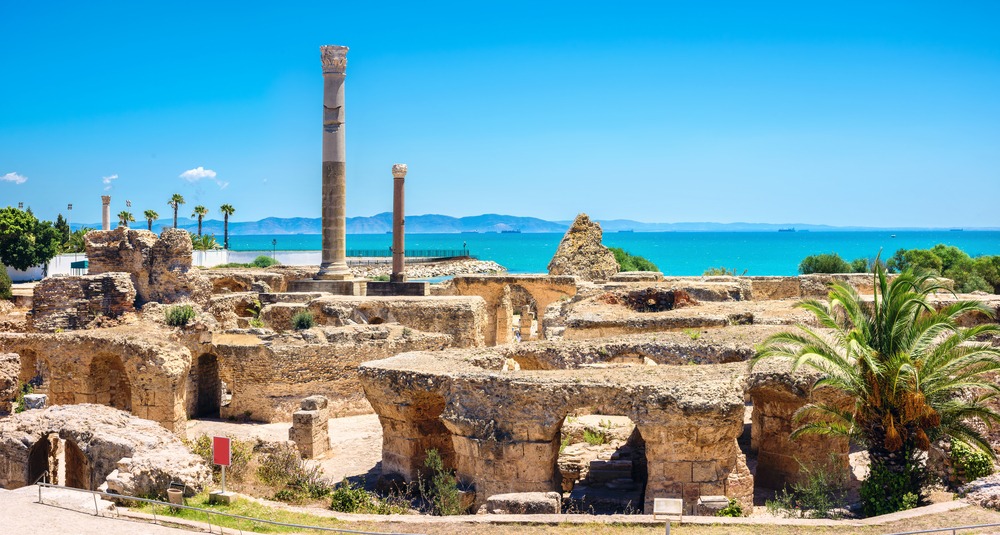
The baths extend across multiple levels. At ground level, the foundations reveal the classic layout of Roman bathing facilities: the frigidarium (cold bath), tepidarium (warm bath), and caldarium (hot bath). A reconstructed column, soaring several meters high, conveys the staggering scale of the original structure. The partially visible underground levels showcase the hypocaust heating system.
History and Context
Construction began under Hadrian and was completed under Antoninus Pius around 162 CE. At their peak, these baths could accommodate hundreds of bathers simultaneously. They testified to Carthage's status as the empire's second city after Rome. Abandoned following Vandal invasions in the 5th century, they were gradually dismantled for their building materials.
Highlights of Your Visit
The Reconstructed Column
A single column has been restored to its original height. It allows you to visualize the height of the vaulted chambers and the architectural ambition of the project. It's the site's most photographed landmark.
The Underground Levels and Hypocaust
The partially accessible underground galleries reveal the network of pipes and brick pillars that circulated hot air beneath the floors. A remarkably well-preserved feat of ancient engineering.
The Sea View
The site is positioned on the edge of the Gulf of Tunis. On clear days, views extend to the hills beyond the capital. This natural setting reinforces understanding of why the ancient city was located here.
Photography Tips
Early morning light (before 10 a.m.) is ideal: it illuminates the stones frontally without harsh shadows. In late afternoon, the setting sun behind the reconstructed column creates a striking backlighting effect. No photography restrictions are known on the site. Shoot from the upper terraces to frame the entire foundation layout with the sea in the background.
Location and Access
The Antonine Baths are located in the archaeological district of Carthage, roughly twenty kilometers northeast of central Tunis. The most convenient option is the TGM (light rail) from Tunis-Marine station to Carthage-Hannibal station, then a few minutes' walk toward the coast. By car, the site is accessible via the La Marsa road. Parking is available nearby.
Within a ten-minute walk, you'll find the National Museum of Carthage on Byrsa Hill, as well as the remains of the Tophet.
Nearby Attractions
- National Museum of Carthage — Punic and Roman collections on Byrsa Hill, essential for contextualizing your visit to the baths.
- Punic Ports of Carthage — Remains of the ancient military and commercial harbors of the Punic city, a few minutes' drive away.
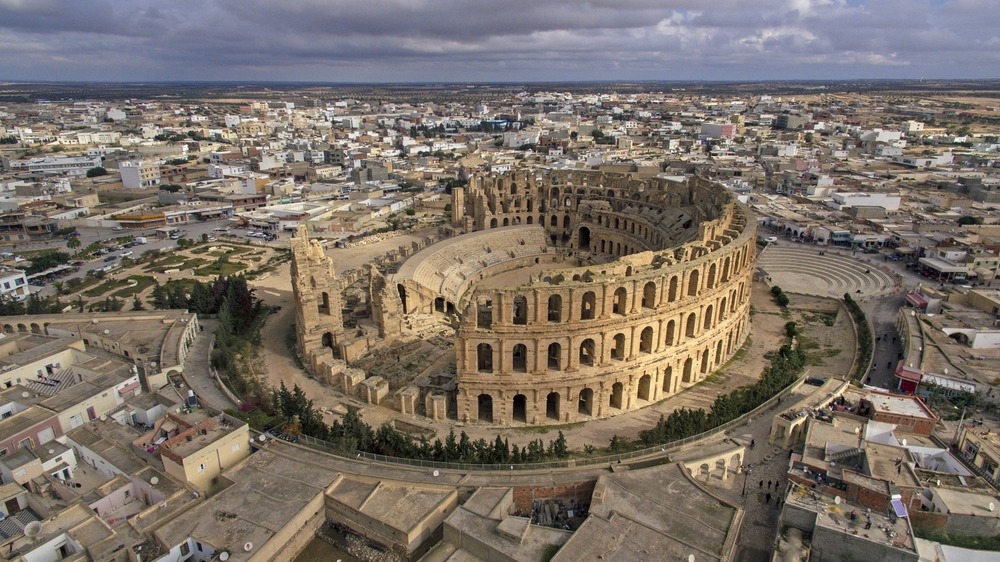
- Amphitheatre of Carthage — One of North Africa's largest Roman amphitheatres, still used for summer concerts.
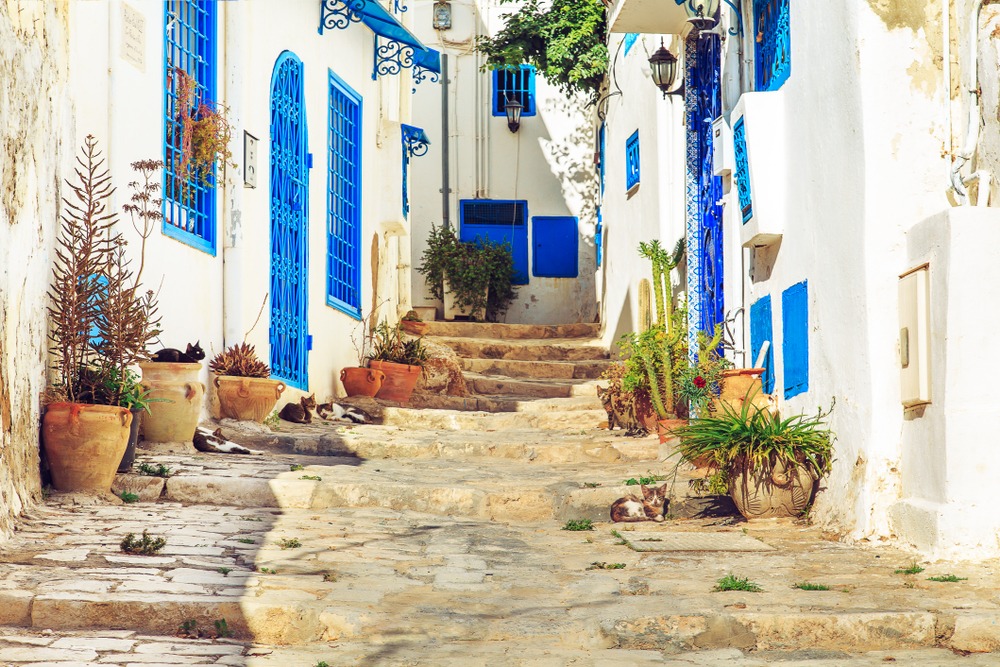
- Sidi Bou Saïd — Picturesque village of white and blue houses perched on a cliff, a few TGM stops to the north.
Frequently asked questions
Spring (March–May) and autumn (September–November) offer pleasant temperatures for visiting this open-air site. Summer is hot and sunny; bring water and sun protection.
Yes. The combined ticket for Carthage sites allows you to visit the baths, the museum on Byrsa Hill, the Punic ports, and other remains in a single day. Plan a full day to see everything.
Take the TGM from Tunis-Marine station to Carthage-Hannibal station. The journey takes roughly 30 to 40 minutes. From the station, the baths are reachable on foot by following the coast.
Yes, the open-air ruins encourage exploration. Supervise children near excavation zones and lower levels. The uneven terrain requires closed-toe shoes.
No photography restrictions are noted for personal use. For commercial or professional use, contact the Tunisian National Heritage Institute.
Nearby
Interested in this visit?
We can include it in your personalised itinerary.