Sidi Bou Saïd
Sidi Bou Saïd
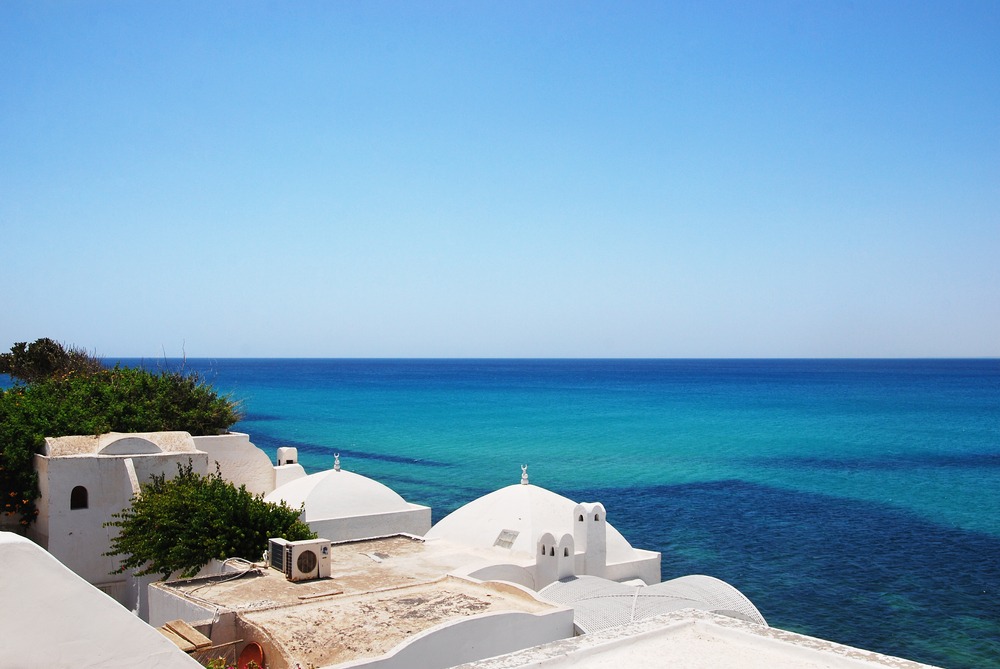
About 20 km from Tunis, Sidi Bou Saïd blends Arab-Andalusian architecture, white and blue facades and views over the Gulf of Tunis and Carthage.
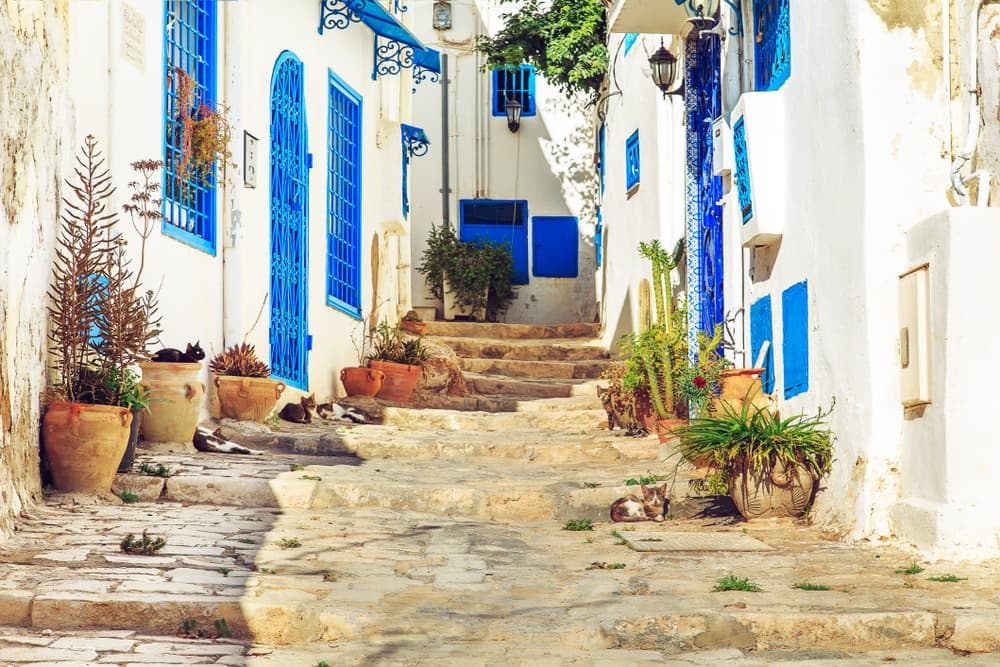
Some twenty kilometers northeast of Tunis, Sidi Bou Saïd stretches across a white cliff overlooking the archaeological site of Carthage and the Gulf of Tunis. Classified and protected since the early 20th century, the village owes its reputation to its Arab-Andalusian architecture, whitewashed facades and cobalt blue doors studded with nails.
Why Visit Sidi Bou Saïd
Three main reasons motivate a visit:
- A coherent architectural ensemble: paved alleyways, carved wooden screens, white and blue facades considered the official symbol of the village.
- Panoramic views over the Mediterranean and the ancient site of Carthage, from vantage points and café terraces.
- A literary and artistic legacy: Chateaubriand, Gustave Flaubert, Lamartine, André Gide, Colette and Simone de Beauvoir all stayed here, contributing to its European fame.
Nicknamed the "little white and blue paradise," Sidi Bou Saïd can be explored on foot in half a day, long enough to grasp its atmosphere and discover its major sites.
History
The village takes its name from the marabout Abou Saïd Al Béji, who came to settle on the "Lighthouse Mountain" (Djebel Menara). The settlement developed around the Zaouïa mosque between the mid-12th and 13th centuries, around the tomb of this holy man.
In the early 17th century, the arrival of a wealthy Andalusian and Tunisian bourgeoisie transformed Sidi Bou Saïd into a retreat, marked by the construction of patrician mansions. From the 19th century onward, European writers and artists enhanced its reputation. The protection decree issued in the early 20th century, at the initiative of Baron Rodolphe d'Erlanger, established the white-blue palette and architectural harmony that still characterize the village.
What to See and Do
Ennejma Ezzahra Palace
Nicknamed the "Brilliant Star" or the "Baron's House," this palace was built in the early 20th century by Rodolphe d'Erlanger, a Franco-British architect and painter-artist. It now houses the Arab and Mediterranean Music Centre, as well as collections of manuscripts, instruments, paintings and carpets. Terraced gardens descend toward the Gulf of Tunis.
Emblematic Cafés
Three establishments embody the village's identity:
- Café des Nattes: located in the heart of the village, recognizable by its benches lined with traditional woven mats.
- Café des Délices: its terrace perched on the cliff overlooks the marina and bay.
- Café Hadj Harmor: more discreet, frequented by locals.
Mint tea with pine nuts and typical Tunisian beverages make up the bulk of the menu.
Vantage Points
The Ras Qatarjamah vantage point is built on a former ribat (fortified guard post); it is reached from the tourist road. The Sidi Chabaane vantage point, located next to Café des Délices, requires a short climb and offers views over the marina and coastline.
Habib Thameur Street
The village's main artery, lined with souvenir shops, craft workshops and restaurants serving local specialties. Haggling is customary for purchases.
The Marina
Below the village, the Sidi Bou Saïd marina brings together sailboats and fish restaurants. Access is via stairs or the road that runs alongside the lighthouse.
Gardens and Domestic Architecture
Behind the characteristic studded doors lie patios planted with geraniums and bougainvilleas. Arab-Andalusian style is evident in the wooden carved screens, arcades and faience tilework.
Practical Information
- Visit duration: allow 3 to 5 hours to explore the village, enjoy a café and visit Ennejma Ezzahra.
- Attire: comfortable shoes (paved and steep streets).
- Crowds: very heavy midday, especially in high season. Favor early morning or late afternoon.
- Prices: paid entry to Ennejma Ezzahra palace; cafés and restaurants range from moderate to high depending on the establishment.
When to Visit
Sidi Bou Saïd can be visited year-round. Spring (April to June) and autumn (September-October) offer the most pleasant conditions: mild temperatures, blooming gardens and moderate crowds. Summer is hot and very busy; terraces are saturated midday. Winter remains mild but windy, with shorter days.
How to Get There
Sidi Bou Saïd is located about 20 km from central Tunis.
- By air: Tunis-Carthage international airport, about fifteen kilometers away, served by several international carriers.
- By train: the TGM (Tunis-Goulette-Marsa), the northern suburban train, serves Sidi Bou Saïd from Tunis via La Goulette and Carthage. Journey of about thirty minutes.
- By bus: Line 35 connects Tunis to Sidi Bou Saïd and Carthage.
- By taxi: quick journey from Tunis (about twenty minutes outside rush hour). Prefer metered taxis; tourist taxis charge flat rates.
- By rental car: practical for combining Sidi Bou Saïd with Carthage and La Marsa, but parking is limited at the village entrance.
Nearby
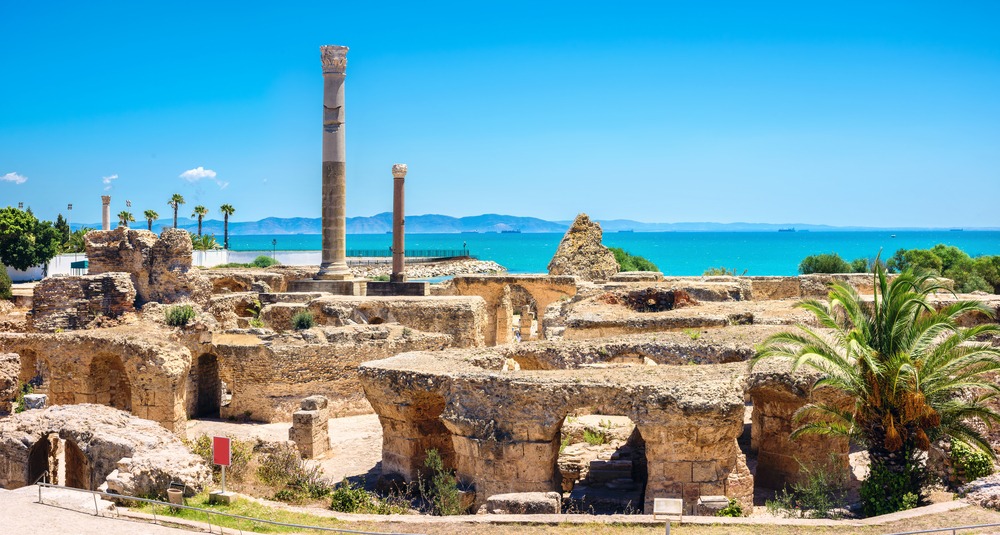
- Carthage: archaeological site inscribed as a UNESCO World Heritage site, 3 km away. Punic and Roman remains (Antonine Baths, Punic ports, theatre).
- La Marsa: neighboring beach resort, beach and lively seafront.
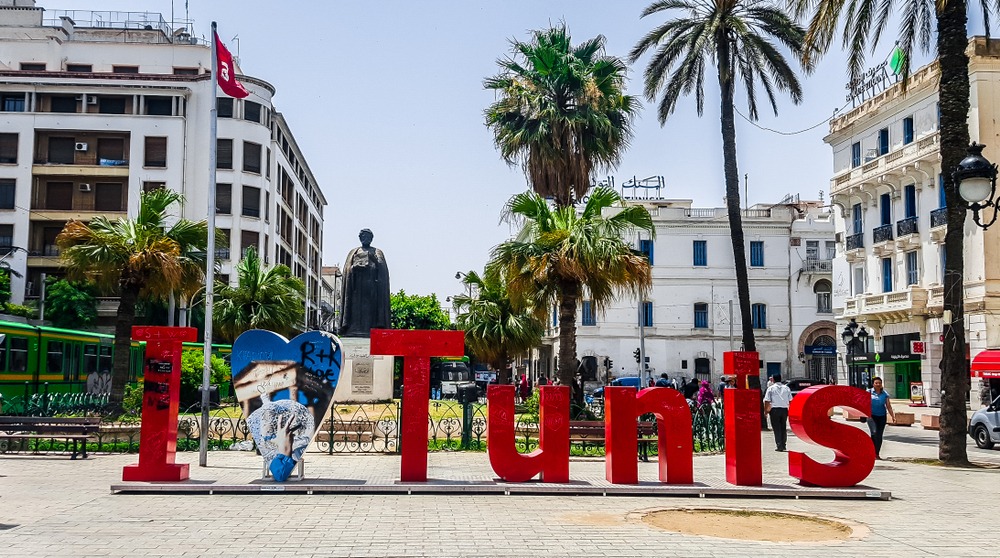
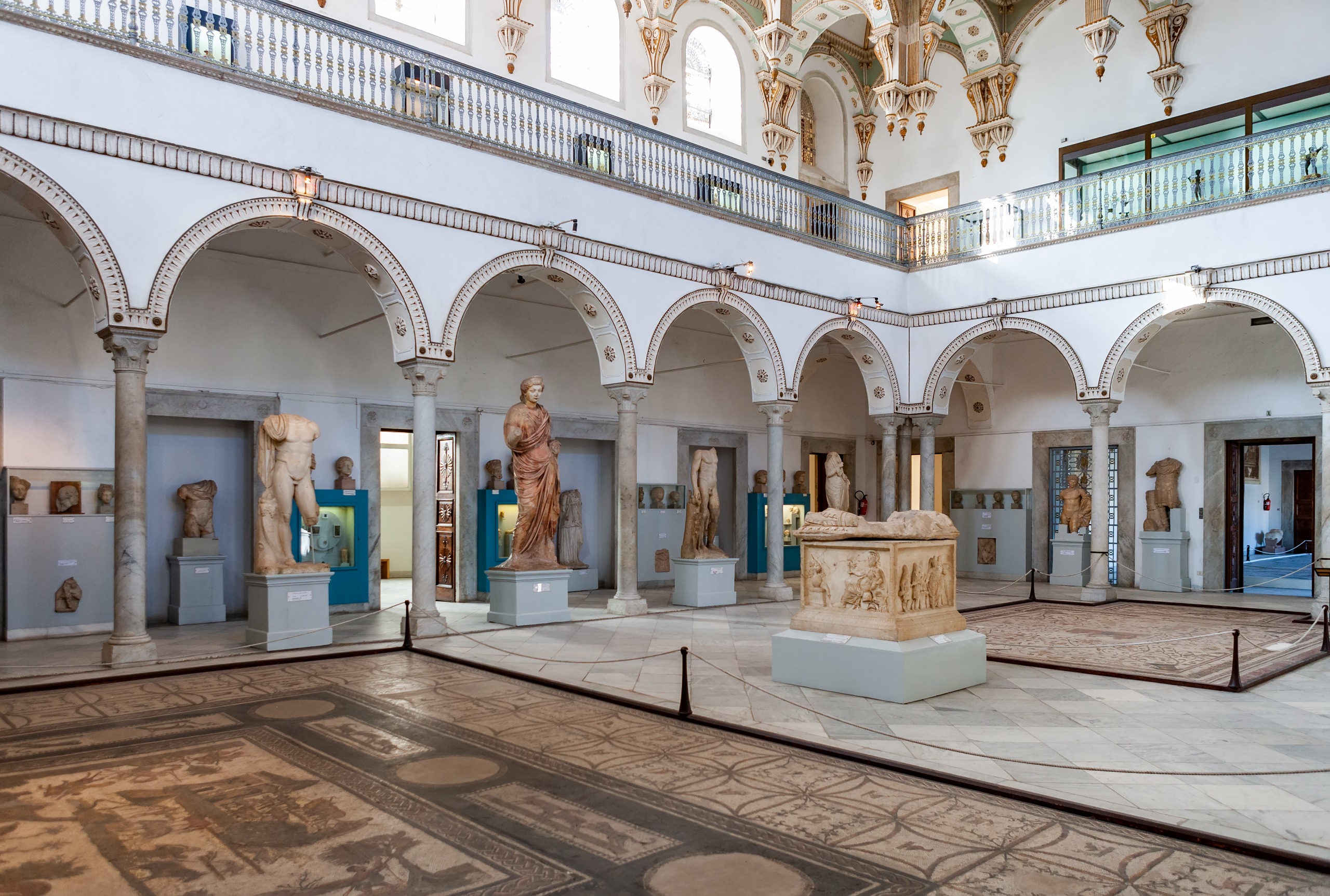
- Tunis: the listed medina, the souks and the Bardo Museum with its Roman mosaics round out a few days in greater Tunis.
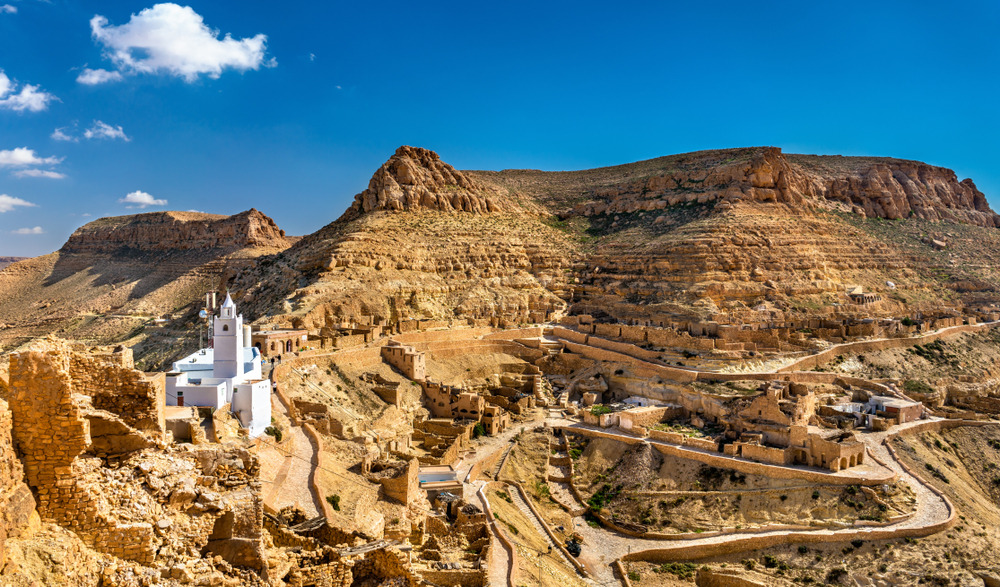
- To extend your journey south into Tunisie: Bulla Regia and its underground Roman villas, or the Berber villages of Chenini and Guermassa.
Frequently Asked Questions
Frequently asked questions
Half a day is enough to stroll through the alleyways, enjoy a café on the terrace and visit Ennejma Ezzahra palace. Allow a full day if you combine it with Carthage.
This palette was codified in the early 20th century, at the initiative of Baron Rodolphe d'Erlanger, as part of the village's protection. It is now the official symbol of Sidi Bou Saïd.
The easiest way is by TGM train from Tunis-Marine station (about 30 minutes). Bus 35 and taxi are also common options.
Yes, it houses the Arab and Mediterranean Music Centre and is open to visitors (paid entry). It also hosts concerts.
Spring and autumn offer a good balance between pleasant weather and moderate crowds. In summer, arriving early in the morning or late afternoon helps avoid peak times.
Extend Your Experience
Sidi Bou Saïd fits into a northern Tunisie circuit combining the medina of Tunis, the site of Carthage and the coasts of La Marsa. To plan a tailor-made stay featuring this village and other destinations in the country, explore our trips to Tunisie.
Nearby
Interested in this visit?
We can include it in your personalised itinerary.