Douz Sahara Museum
Douz Sahara Museum
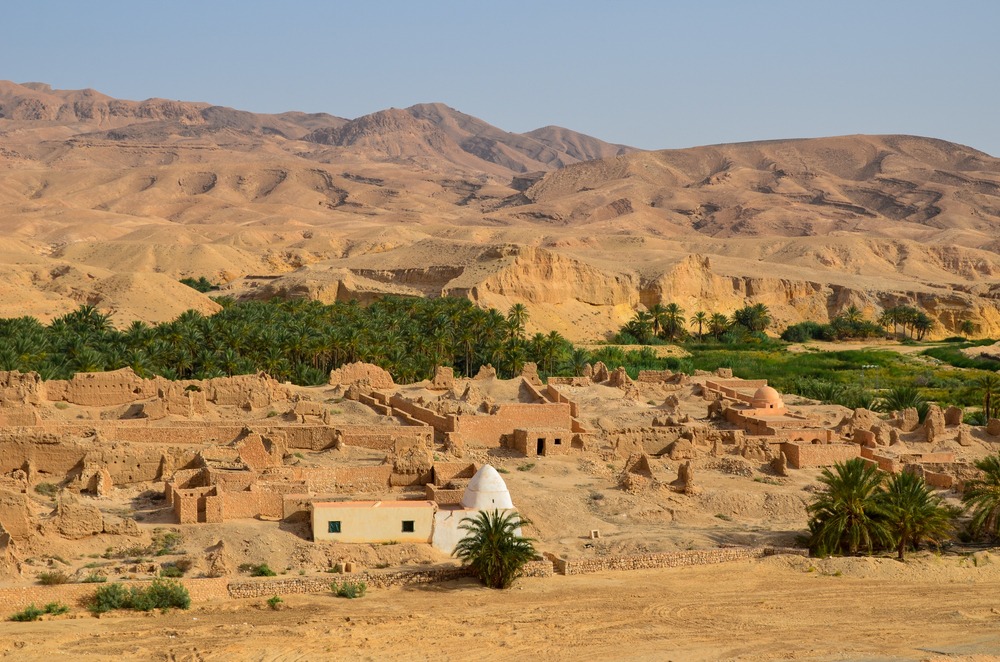
Established in 1997 in an Andalusian-style building, the Douz Sahara Museum documents nomadic and oasis life between the Grand Erg Oriental and Chott El-Jérid.
The Douz Sahara Museum documents nomadic and oasis life in southern Tunisie, at the edge of the Grand Erg Oriental. Housed in an Andalusian-style building opened in 1997, it brings together everyday objects, jewelry, textiles and testimonies from the tribes that shaped this region of the Nefzaoua.
Why visit the Douz Sahara Museum
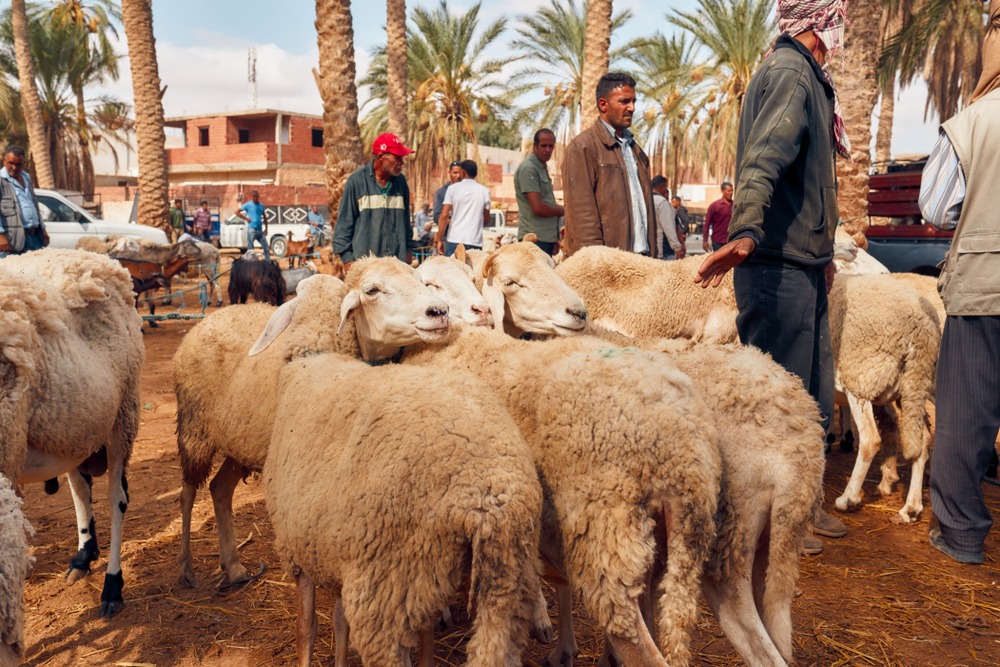
The Douz region is considered the last stronghold of nomadism in Tunisie. The museum provides useful context before or after an excursion into the desert: it places the camel-herding lifestyle within its physical, climatic and social environment. For travelers preparing for a camel trek or 4x4 expedition toward the Grand Erg Oriental, this visit illuminates what you'll observe later on the ground. The visit remains manageable (allow 1 to 1.5 hours) and makes a coherent addition to Thursday morning's market and the dunes at the town's edge.
History and context of the museum
Founded in 1997, the Douz Sahara Museum ranks among Tunisie's more recent museum establishments. The choice of location is deliberate: Douz, roughly 500 km south of Tunis, sits between the Grand Erg Oriental and the southern boundary of the Chott El-Jérid. This position historically made it a crossroads for the camel-herding tribes of the Nefzaoua, and a turning point between oasis and vast desert.
The building itself, in Andalusian style, reflects regional architecture. The museum's creation reflects a conservation effort: as nomadic lifestyles fade, objects, tattoos and traditional crafts risked disappearing without documentation.
What to see in the collections
The tour is organized around several thematic sections:
- The Sahara's physical environment: presentation of the geography, fauna and vegetation specific to the area between the Grand Erg Oriental and Chott El-Jérid.
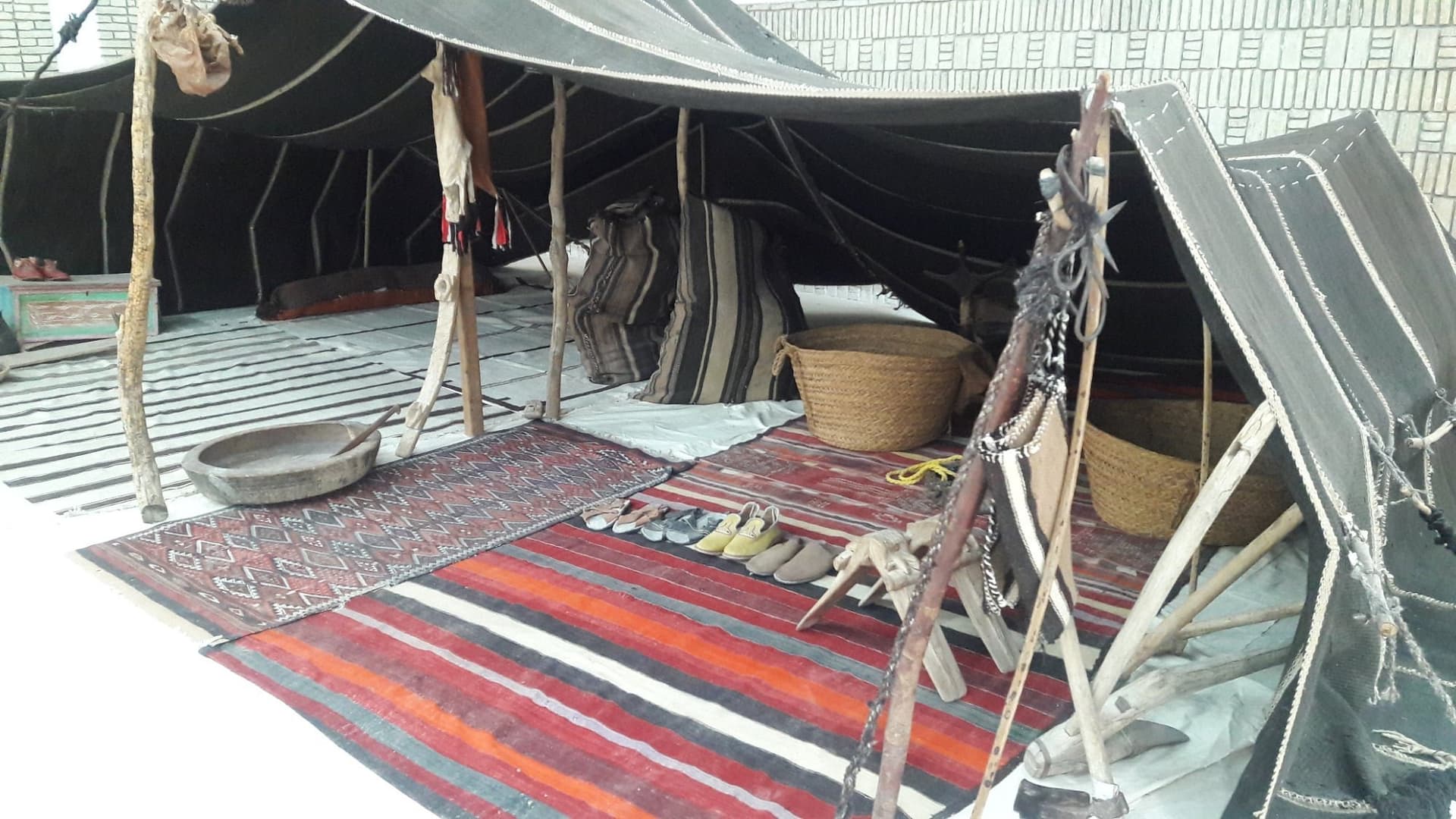
- Everyday objects: utensils, tools and furnishings from nomadic camps and oasis households.
- Jewelry and textiles: ornamental pieces and fabrics illustrating the craftsmanship of the Nefzaoua tribes.
- Tattoos and symbols: reproductions and explanations of motifs worn by nomadic women, holding identity and protective significance.
- Ethnographic documentation: panels and photographs on the history of the region's nomadic and oasis tribes.
Practical information
The museum is open year-round with one weekly closure day (confirm locally) and hours that vary by season and Ramadan period. It's wise to check hours on the day itself with your accommodation or Douz's tourist office. Entry fees remain modest. A visit typically takes 1 to 2 hours depending on your interest in the ethnographic sections.
When to visit
Southern Tunisie is best visited between October and April, when daytime temperatures are manageable. Winter (December to February) offers ideal conditions for dune excursions, though nights are cold. Summer is very hot in Douz: if you're there between June and September, plan your museum visit for mid-morning and avoid the outdoors during peak heat hours. Douz's traditional market takes place Thursday morning: combining both in the same day makes sense.
How to reach Douz
Douz is reached by road. The two nearest air gateways are Tozeur airport (roughly 125 km away) and Djerba-Zarzis airport (roughly 260 km away). From Tunis, allow a full day's drive. To venture further and explore the Grand Erg Oriental, a 4x4 vehicle and travel permit are mandatory: always go through a local agency or an authorized guide. Douz is also the classic starting point for camel treks across the dunes.
To see in the surrounding area
- The Chebika oasis: a mountain oasis characteristic of southwestern Tunisie.
- Chenini: a perched Berber village of the south, best paired with a loop through the Dahar.
- Bardo Museum: to extend the cultural experience in Tunis.
Frequently asked questions
Frequently asked questions
Allow 1 to 2 hours depending on your interest in the ethnographic sections and nomadic collections.
Absolutely. It's actually the most relevant time to visit: it provides the geographical and cultural context needed to understand what you'll observe later in the Grand Erg Oriental.
Between October and April, when temperatures allow for dune excursions. Summer is very hot and inadvisable for outdoor activities.
Yes, the traditional market runs Thursday morning. Both easily fit into the same half-day.
Access to the Grand Erg Oriental requires a 4x4 and travel permit. It's essential to go through a local authorized agency or guide.
To integrate this stop into a larger itinerary across southern Tunisie, explore our Tunisie travel journeys.
Interested in this visit?
We can include it in your personalised itinerary.