Mides Canyon
Mides Canyon carves through ochre rock at the Algerian border, edging an abandoned village suspended above the void. One of the most striking landscapes in southern Tunisie.
At the far western edge of Tunisie, near the Algerian border, Mides Canyon cuts through ochre rock for several kilometres. This spectacular ravine borders an abandoned troglodytic village, suspended above the void. Carved by the erosion of Wadi Mides, it offers one of the most arresting landscapes in southern Tunisie, between golden cliffs, narrow gorges and the desert's raking light.
Practical Information at a Glance
- Access: Mides is located approximately 25 km northwest of Tozeur, accessible by car or organised excursion.
- Suggested duration: 1 to 2 hours to explore the canyon rim and abandoned village.
- What to wear: Closed-toe shoes essential — the ground is uneven and canyon edges are unsecured.
- Caution: No protective barriers on most of the perimeter; keep your distance from the edges.
What You'll See
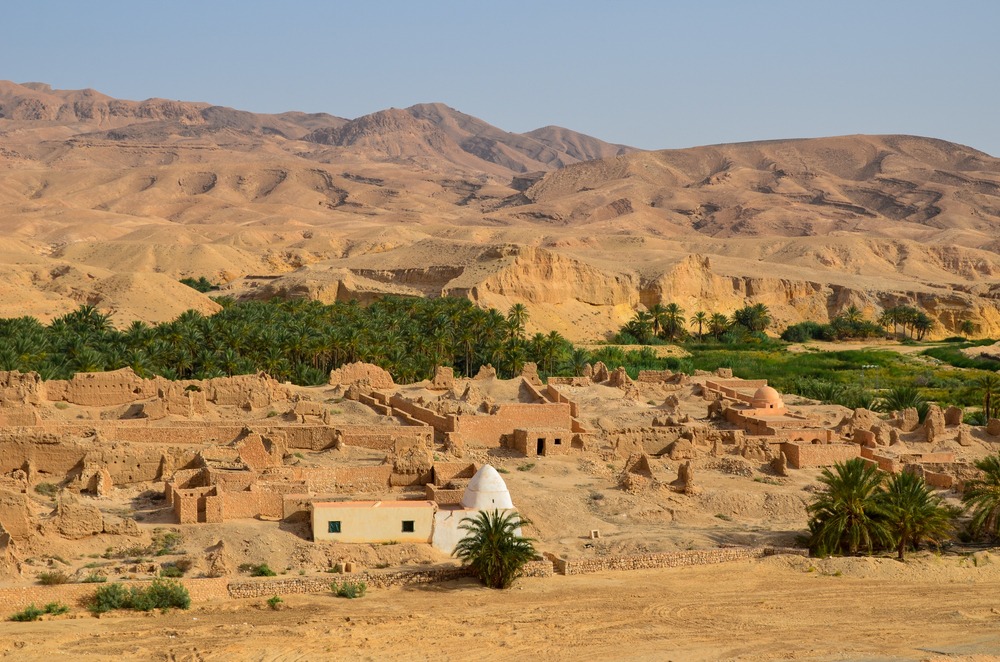
The canyon opens abruptly onto an arid plateau: vertical walls of sandstone and coloured clay plunge toward the dry wadi. The village of Mides, built in rammed earth, now stands deserted — its collapsed alleyways and gutted houses bear witness to a life abandoned after devastating floods. From the heights, views across the gorges and surrounding desert stretch unobstructed for tens of kilometres.
History and Context
Mides is one of three mountain oases in the Djérid, alongside Chebika and Tamerza. The original village, inhabited since antiquity, was ravaged by catastrophic flooding in the 1960s. Its inhabitants were relocated to a new village built nearby. Old Mides remained frozen in time, gradually reclaimed by erosion. The site served as a filming location for several productions, including The English Patient.
Highlights of Your Visit
The Gorges from the Ridge
The path running along the canyon's edge offers vertiginous views into the gorges. The rock shifts in colour with the hour: pale ochre at zenith, deep orange in late afternoon. This is where the geology of southern Tunisie reads most clearly.
The Abandoned Village
Wandering through the alleyways of old Mides feels like walking through a ghost town. Collapsed vaults, gaping doorways and hollowed-out grain stores tell the story of vernacular architecture adapted to an arid climate. The atmosphere is hushed and particularly powerful outside peak tourist hours.
The Spring and Palm Grove
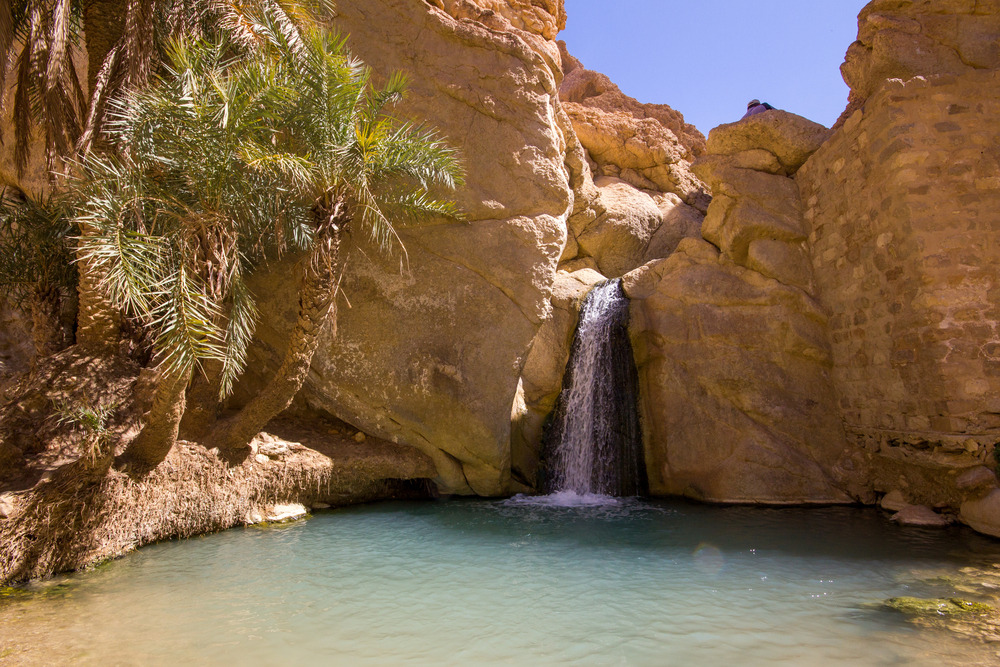
At the bottom of the canyon, a trickle of water feeds a small palm grove. Access to the canyon floor is possible via certain trails, but requires care. The contrast between bare rock and verdant palms is particularly photogenic.
Photography Tips
Late afternoon light (two hours before sunset) is ideal: it warms the walls and carves shadows into the gorges. Position yourself on the western ridge to have the canyon backlit. The abandoned village photographs well early in the morning, before tour groups arrive. Avoid midday: the light is flat and the heat intense.
Location and Access
Mides sits in the Tozeur governorate, at the Algerian border. The road from Tozeur passes through Hazoua and runs along the chotts ridge. The final track to the canyon may require a suitable vehicle depending on conditions. Most visitors combine Mides with Chebika Oasis and Tamerza Waterfall in a day excursion from Tozeur. PMR accessibility is very limited due to rough terrain.
Nearby Attractions
- Chebika Oasis — spring and palm grove nestled in rocky landscape, about twenty kilometres away.
- Tamerza Waterfall — Tunisie's largest waterfall, set in similar gorge scenery.
- Tozeur Medina — rammed earth brick architecture and traditional souk, natural base for the region.
- Chott el-Jérid — vast salt lake crossed by the road between Tozeur and Kébili, lunar landscape.
Interested in this visit?
We can include it in your personalised itinerary.