Toujane
Toujane
Perched at 700 m on Djebel Dahar, Toujane is a Berber village in southern Tunisie famous for its ksar, kilim rugs and the warm welcome of its 700 inhabitants.
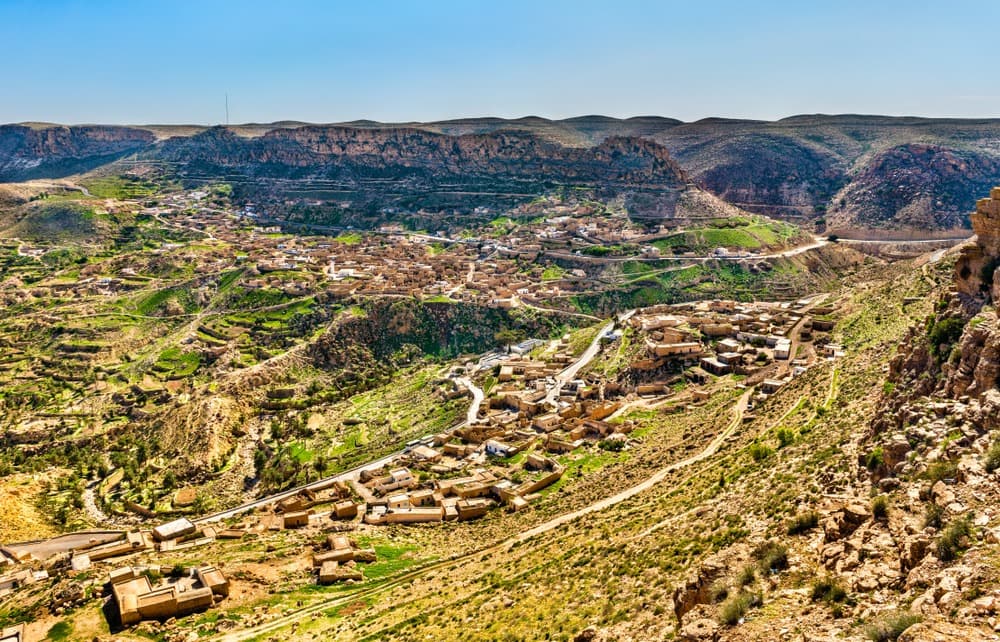
Well known thanks to the film entitled "La Folle de Toujane" directed in 1974 by René Vautier, Toujane forms a stopping point between the regions of Médenine and Matmata. It describes a small picturesque village built into the rock itself, subdivided into two parts separated by a wadi, namely: Taïcha, the residential area, and Ifsil, dedicated to commercial activities. The site, dominated by the ruins of a ksar, offers breathtaking views across plains stretching towards the sea. It is home to around 700 inhabitants of Berber origin with sun-tanned skin. For an unforgettable stay, there is nothing better than attempting an adventure off the beaten path.
History
Originally founded by Berbers in the 12th century, Toujane was situated within Djebel Dahar, which peaks at 700 m altitude. During the 1970s, many inhabitants abandoned this place to settle and survive elsewhere. The remaining population was determined to preserve the ancestral traditions that would continue to be passed down over time. There currently remain nearly 200 stone houses left abandoned.
Today
Beyond an extraordinary setting created by typical scenery and ksar vestiges, arrival at Toujane is first marked by the benevolent hospitality of its inhabitants. Despite rather harsh seasonal weather, Toujane displays its finest assets since the track was transformed into a passable road. Upon arrival, have yourself served friendly mint tea or engage in a game of kharbga with the village elders.
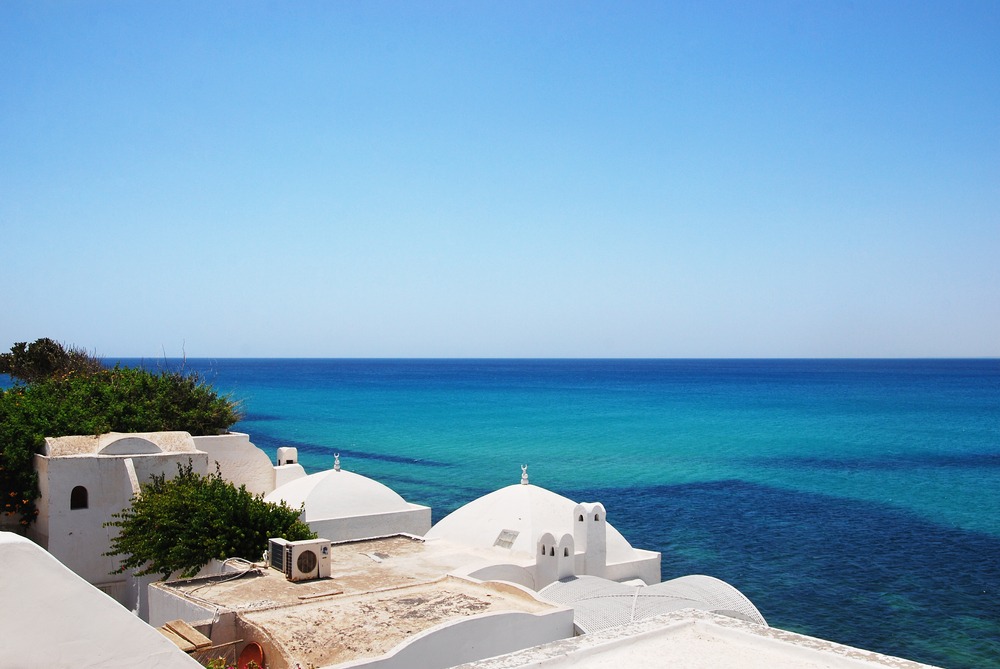
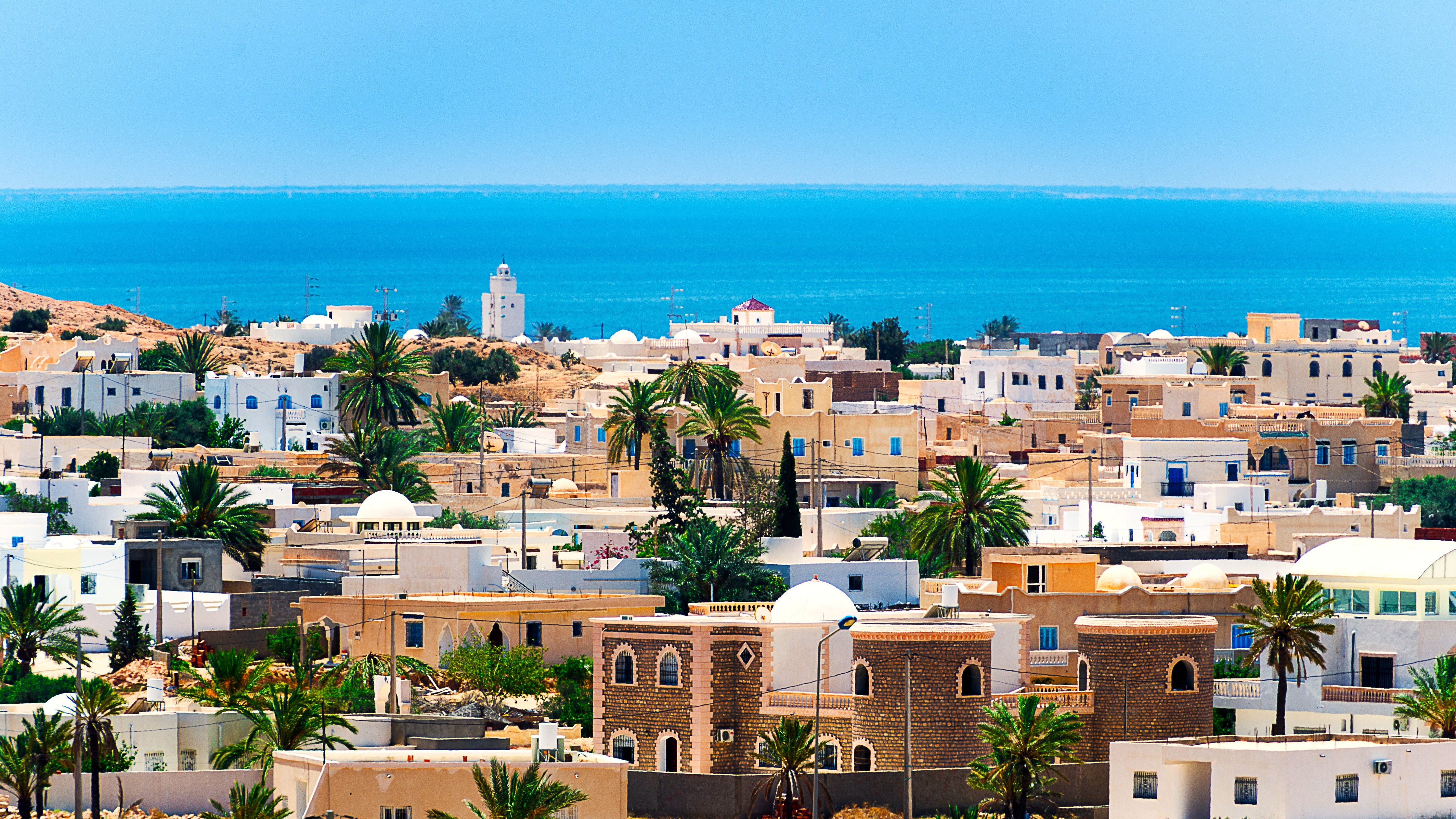
This small settlement also stands out for the uniform color depicted across the entire landscape. The dwellings, built with materials from the surrounding massifs, blend completely with the rest of the site.
Toujane takes pride in producing the finest handcrafted objects, thereby helping to sustain the village's local economy. Moreover, it owes its reputation to very high-quality honey, whose manufacturing secret is jealously guarded. Nowadays, ancestral values seem to be firmly rooted in the lives of its inhabitants. This is likely why Toujane remains partly preserved from the tourism invasion.
An innovative detour within Toujane
The site offers its visitors not only the pleasure of wandering through its alleyways but also the opportunity to discover dozens of shops run by skilled women artisans. They specialize mainly in the weaving of the famous kilim rugs or bakhnoug wool shawls… This place maintains, in principle, the distinctive features of Berber identity and that of the village. Among them stands out "Dar Touati," the guesthouse-shop of contemporary artist Habib Hasnaoui. Do not leave Toujane without having tasted chriha, a highly renowned specialty of the region.
The olive oil mill of Khatrouche Mokhtar
You must cross the wadi located near Taïcha to reach it. A stone standing 2 meters high sets the entire mechanism in motion, capable of crushing around 150 km of olives per day to extract the oil. After harvest, these fruits are generally transported to the mill by donkey.
Staying with locals in Toujane
During a hiking excursion, the experience gained will give visitors the opportunity to share life within a family. This will be the ideal moment to immerse yourself in their expertise, their daily habits amid traditions long perpetuated over centuries. You will especially have the chance to participate in preparing local recipes, or learn traditional basketry weaving techniques…
Around Toujane
The regions surrounding Toujane have much to offer travelers wishing to continue their journey. Why not take the opportunity to discover, among others:
- The Ejjfara oasis, nestled in endless mountains at Matmata;
- The magnificent beaches and vast palm groves stretching across the Gulf of Gabès;
- The troglodyte dwellings in the towns of Ghomrassen and Matmata;
- Synagogues and historic monuments around Médenine;
- The most important road junction in southern Tunisie, Tataouine.
Practical Information
Climate
Toujane experiences a hot Mediterranean climate, classified in the Csa category according to the Köppen-Geiger climate map. Throughout the year, the average temperature reaches 22.5 °C. Rainfall is very rare but can cause major flooding during storms. The best periods to visit the region are notably between April to June, then from September to November.
How to get there?
Starting from Djerba by car, take the main highway connecting Tunis to Libya and continue towards Gabès. Then turn left onto a small road heading towards the mountains to reach Toujane.
How to get around?
All travel within Toujane is normally done on foot, due to its small size and steep streets. You will need to rent a car if you plan to visit the surrounding areas.
Want to discover this destination?
Our local advisors design your tailor-made trip.