Douz
Douz
At the gates of the Grand Erg Oriental, Douz opens the way to the Tunisian Sahara: camel treks, bivouacs under the stars, Merazigue traditions and the grand Thursday souk.
When you discover it for the first time, Douz presents the image of a forgotten town, left to its own devices in the harsh conditions of the desert. The city has no remarkable attractions, save for the great Thursday market. Bad news for those seeking monuments, but travelers in search of escape will find pleasure in wandering through the streets of the center. During the day, Douz is calm, but as soon as the sun sets, the city gradually comes alive. Locals and tourists gradually fill the cafés lining the central souk. Around the city, the palm groves and dunes reveal all their magic… You've arrived at the gates of the Grand Erg Oriental!
History
The great oasis of Douz was the rallying point of the Merazigues, a nomadic people of Arab origin who are said to have arrived in Tunisie in the 13th century. The Merazigues stayed in the region only during the hot months, during which they let their dromedaries roam in search of water sources. As soon as the climate cooled, they took to the desert road again with their beasts heading for winter pastures.
Over time, a small town grew up around the Douz oasis, which had become a major stopover between the Sahara and northern Tunisie. A periodic market developed there, bringing together nomads and settled peoples. In the early years of the 20th century, the town counted only a few buildings – inhabitants still used tents. Douz evolves at its own pace, perhaps a slow one, and is regarded as an interesting stopover during a tour of southern Tunisie.
Discovering the town of Douz
Douz, land of nomads
The population of Douz is principally of Merazigue origin. Even today, nomads occasionally trade their permanent housing for traditional tents. In localities close to the desert, the settled and the nomadic have always been complementary: the former supply cereals, vegetables, fruits and dates, while the latter raise goats, sheep and dromedaries. Fine, swift and tireless, meharis long contributed to the maintenance of trans-Saharan trade.
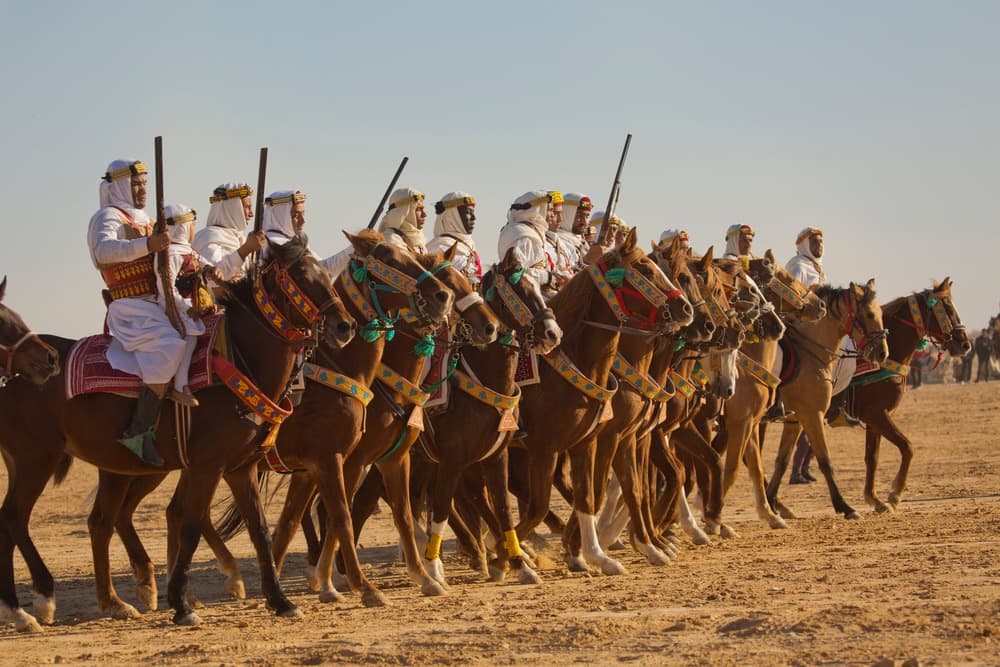
An important crossroads for camel herders, Douz is also a bastion of the ancient traditions of desert peoples. From marriage rites to the departure of caravans, through fantasias (simulations of military assaults) and sloughi races (a breed of dog also known as the Berber greyhound), and more, the inhabitants of Douz still practice ancestral ceremonies. The Sahara Festival in Douz is a good opportunity to discover this preserved culture.
Douz, gateway to the treasures of the South
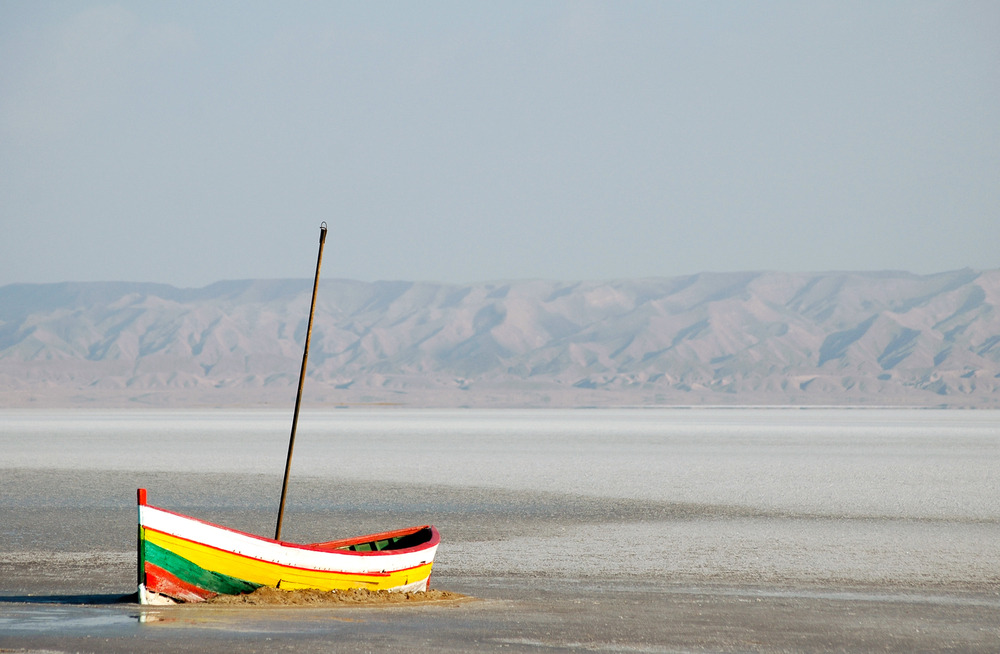
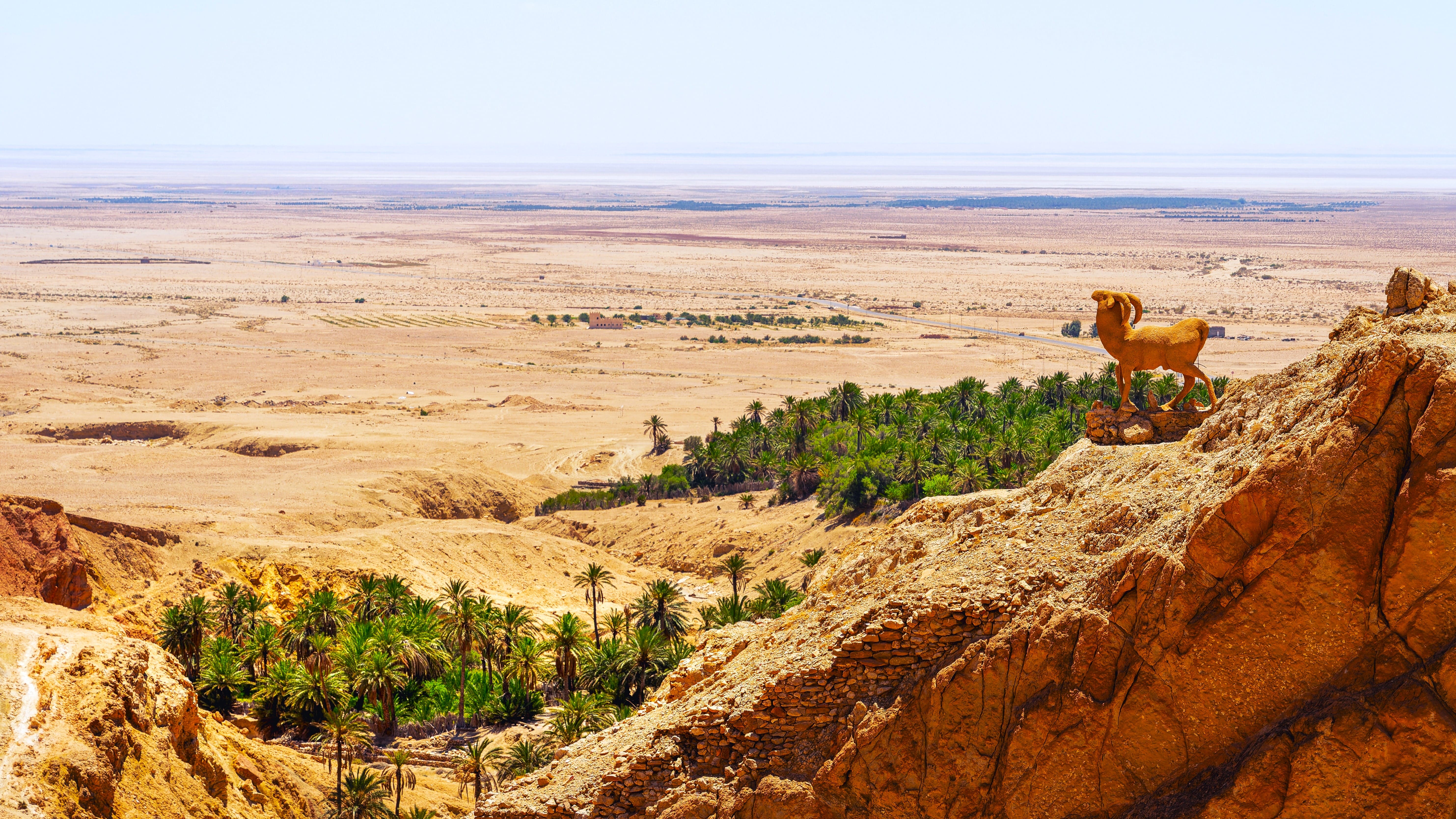
On one side, Douz opens onto a sand desert. Accompanied by a guide, take a walk on foot or camelback to admire the dunes (the panorama is enchanting at sunset). On the opposite side, the Chott El-Jerid seems to stretch to infinity – it is Tunisia's largest salt plain (approximately 5,000 km²). Salt crystals make the surface shimmer and create, viewed from Douz, apparent mirages.
Three small traditional villages nestle between these two immensities: Sabria, El Faouar and Nouil. A little further south lies Ksar Ghilane, a popular base for hikers. The locality is home to a palm grove and a thermal spring. The track then continues, winding through the rosy dunes of the Grand Erg Oriental, until it reaches the oil town of El Borma.
An extreme playground
Douz is a departure point for immersion in the desert. Experience the thrill of a camel trek, including meals in a tent and nights in bivouac, in the company of Merazigue guides. There are also motorized raids for discovering the Great South. Extreme sports enthusiasts have several challenges to take up here: quad biking, 4x4 and motorcycle rides, speed sailing or land sailing on Chott El-Jerid, dune skiing, microlight flying, and more. Make the most of your outings to discover the flora and fauna: pink flamingos on Chott El-Jerid, addax antelopes and gazelles of Jebil National Park, and so forth. You can also visit the Roman fort near Ksar Ghilane.
Taste the cuisine of the desert
Nomadic herders will serve you traditional dishes to refuel in the morning and to comfort you in the evening after hours of trekking. Savor the tchiche barley soup or the marfoussa. Discover the preparation of desert bread, sip a cup of red tea and during major events, indulge in the famous couscous made with mutton.
Practical Information
Climate in Douz
Douz inherits a hot Mediterranean climate characterized by a dry summer. In the Köppen-Geiger climate classification, this type of climate is classified as Csa. Over the year, the average precipitation rate is 124.9 mm. The average annual temperature is 23.1 °C.
You can reach Douz by road from Tozeur International Airport (125 km) or Djerba International Airport (260 km).
In the Grand Erg Oriental, the meharis is the historical companion of man. Thanks to its great capacity for adaptation, this tireless dromedary can take you far into hostile environments. Moreover, if you plan to go on a raid in the far South, you must obtain a travel permit.
What to do in Douz?
- Take a camel trek
- Attend a fantasia
- Discover the Chott El-Jérid
- Go quad biking in the desert
- Taste Merazigue couscous, and more
Attractions in Douz
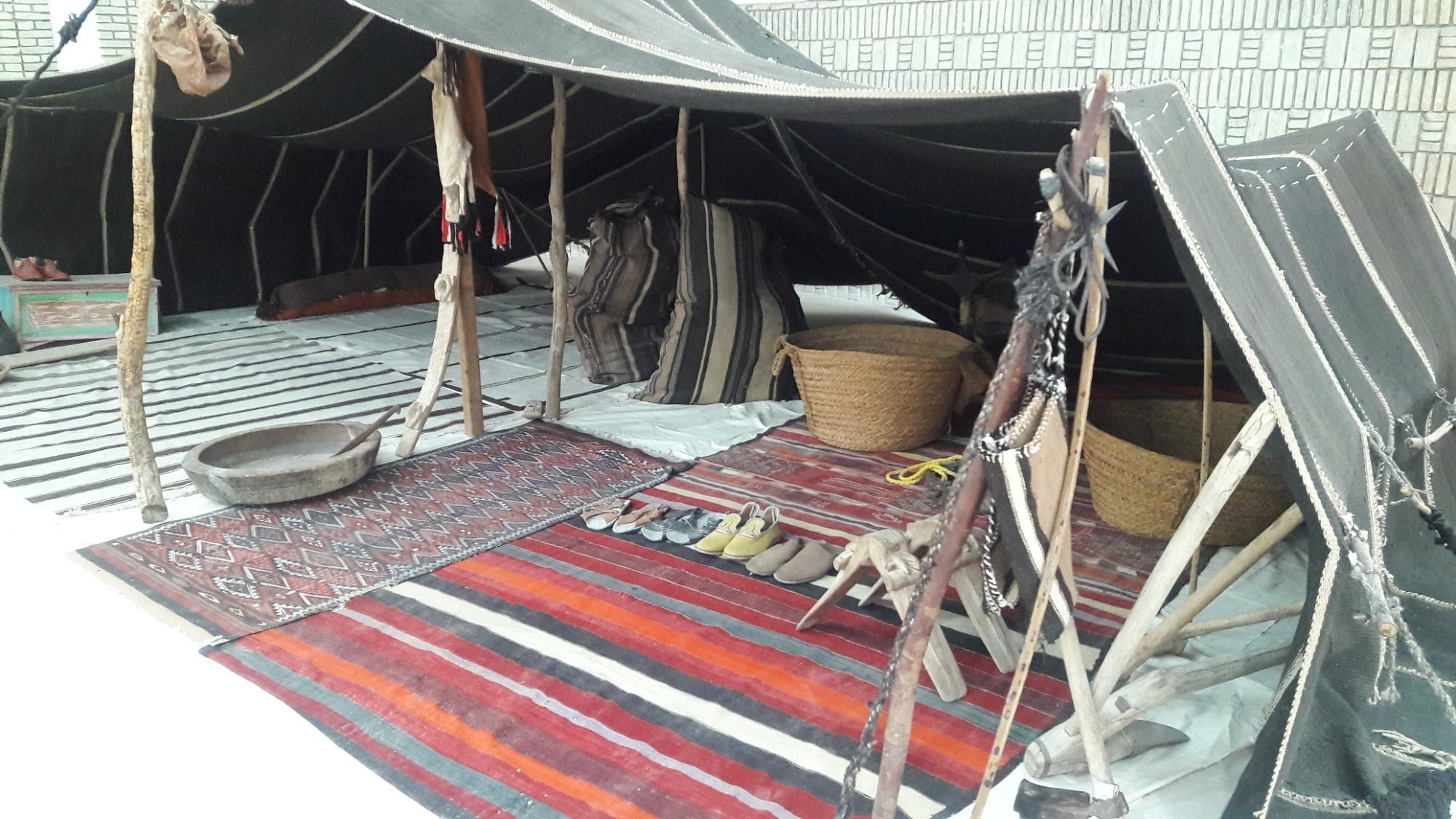
Musée du Sahara de Douz
Créé en 1997 dans un bâtiment de style andalou, le Musée du Sahara de Douz documente la vie nomade et oasienne entre Grand Erg oriental et Chott El-Jérid.
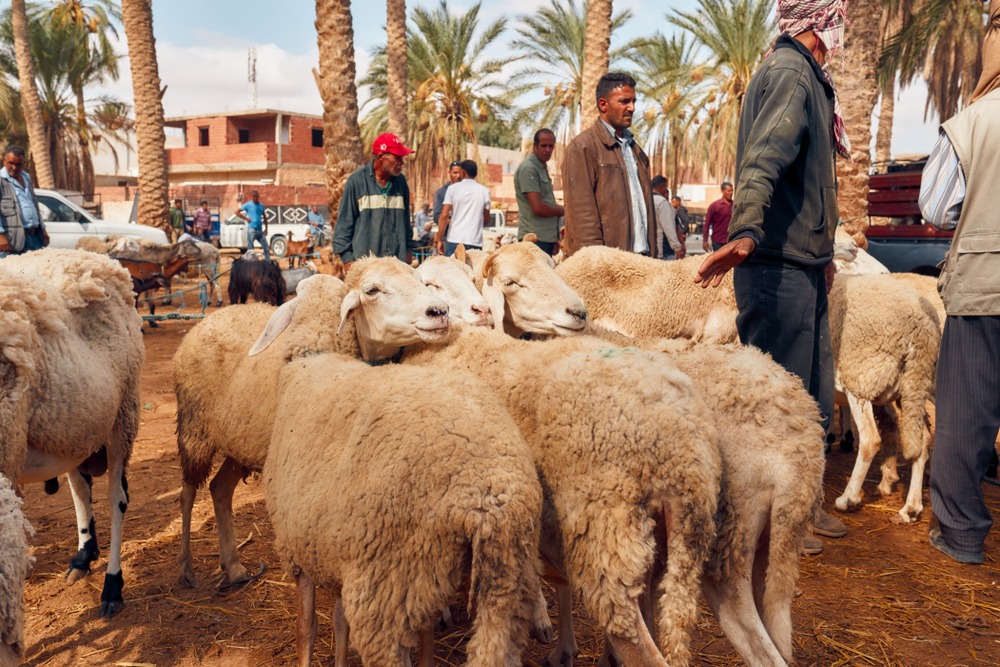
Le souk de Douz
Chaque jeudi matin à Douz, les bergers du Grand Erg oriental se retrouvent autour d'un marché aux bestiaux toujours actif, loin des circuits touristiques.
Want to discover this destination?
Our local advisors design your tailor-made trip.