Search and filter among 7 contents
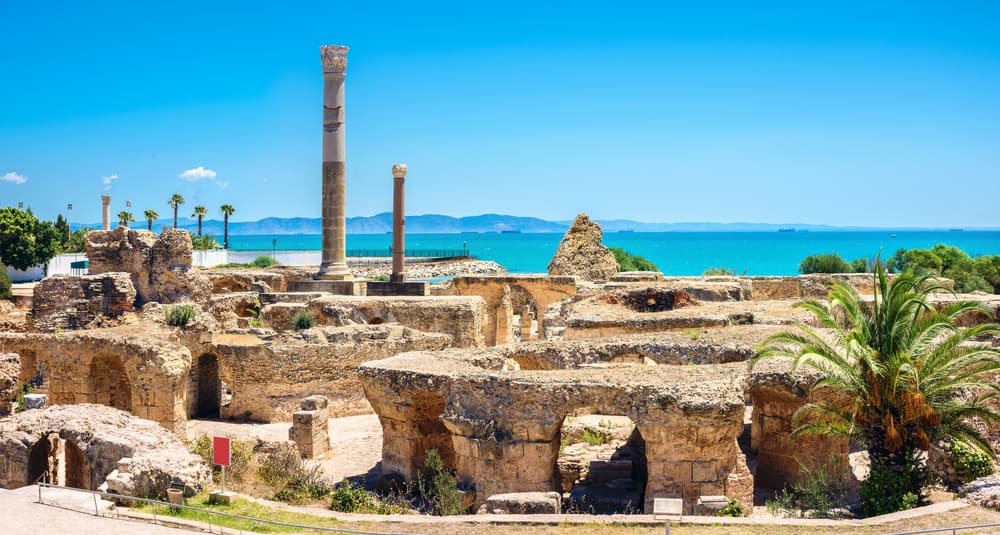
Site Archéologique De Carthage
Founded around 814 BC by Phoenicians, Carthage layers Punic, Roman and Byzantine remains across several hills overlooking the Gulf of Tunis. Accessible by TGM light rail from downtown.
The Tophet of Carthage is an open-air Punic sanctuary in Carthage-Salammbô near Tunis. Stelae bearing the sign of Tanit and burial urns testify to centuries of Phoenician rituals still debated by archaeologists.
Perched on Byrsa Hill, the Carthage National Museum brings together Punic stelae, anthropoid sarcophagi and Roman mosaics. Allow 1.5 to 2 hours to traverse a thousand years of Mediterranean history, with views over the Gulf of Tunis.
Facing the Mediterranean, the Antonine Baths are the best-preserved remains of a Roman thermal complex in North Africa. A UNESCO World Heritage site in Carthage, 30 minutes from Tunis by TGM light rail.
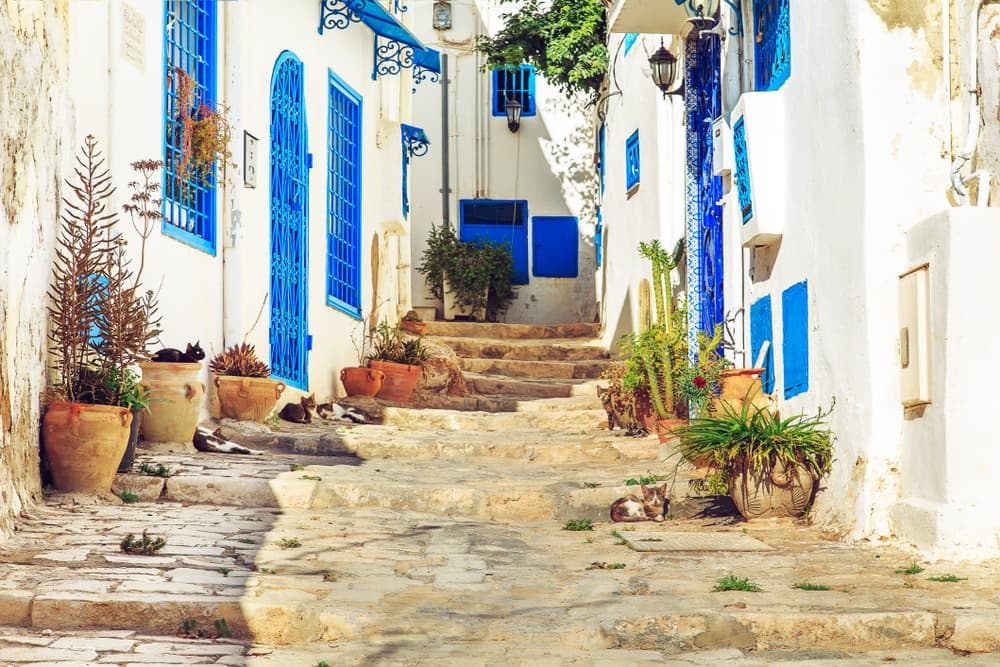
Sidi Bou Saïd
About 20 km from Tunis, Sidi Bou Saïd blends Arab-Andalusian architecture, white and blue facades and views over the Gulf of Tunis and Carthage.
UNESCO site on the outskirts of Tunis, Carthage brings together the Antonine Baths, villas with mosaics, a Roman theatre and national museum tracing the Punic and Roman civilizations.
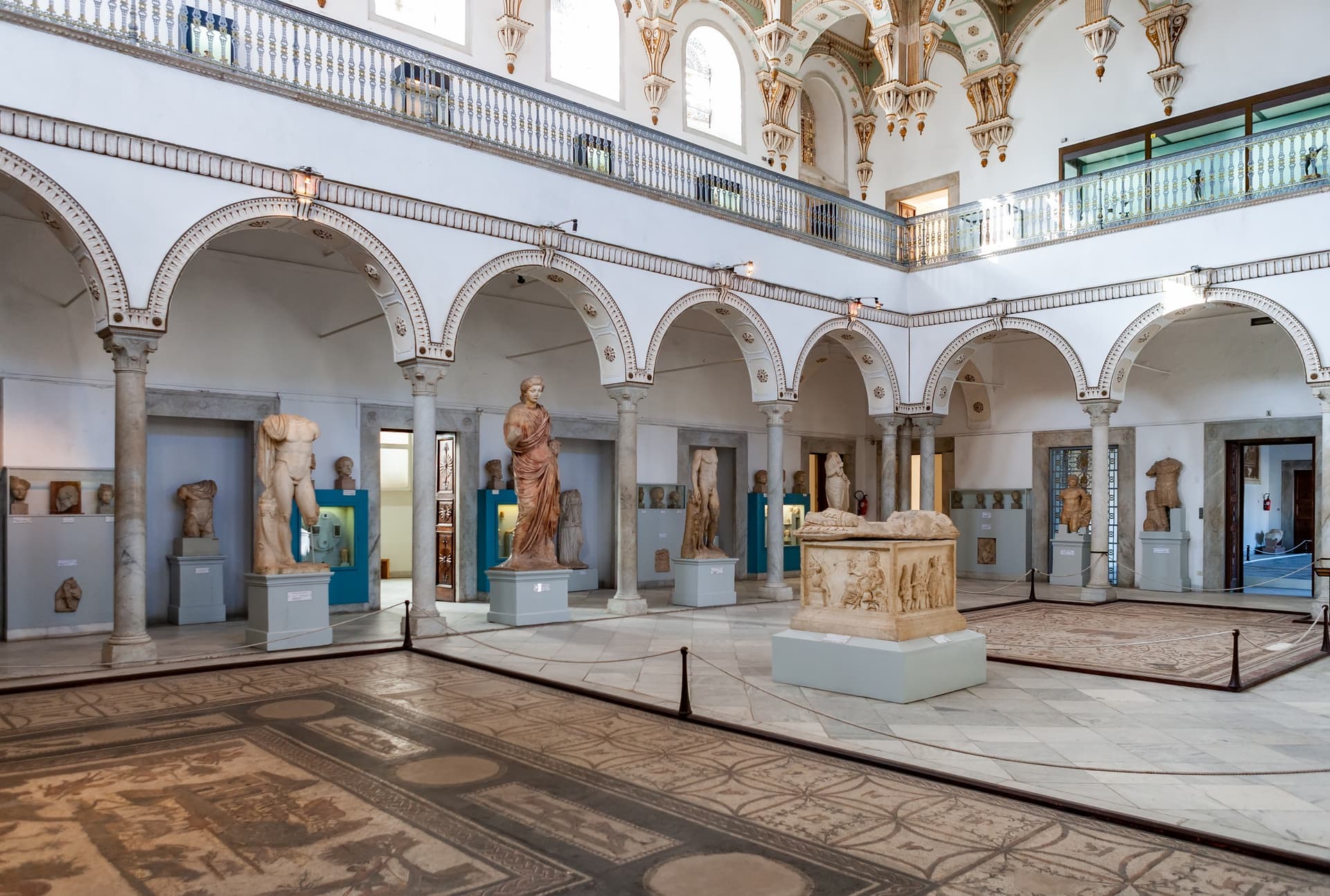
Musée du Bardo
Located in a beylical palace in Tunis, the Bardo Museum preserves Roman mosaics from Carthage, Dougga, Sousse and El Jem across fifty rooms.
7 of 7 results
We use cookies to improve your experience and measure our site's audience. You can choose what you accept. Learn more.